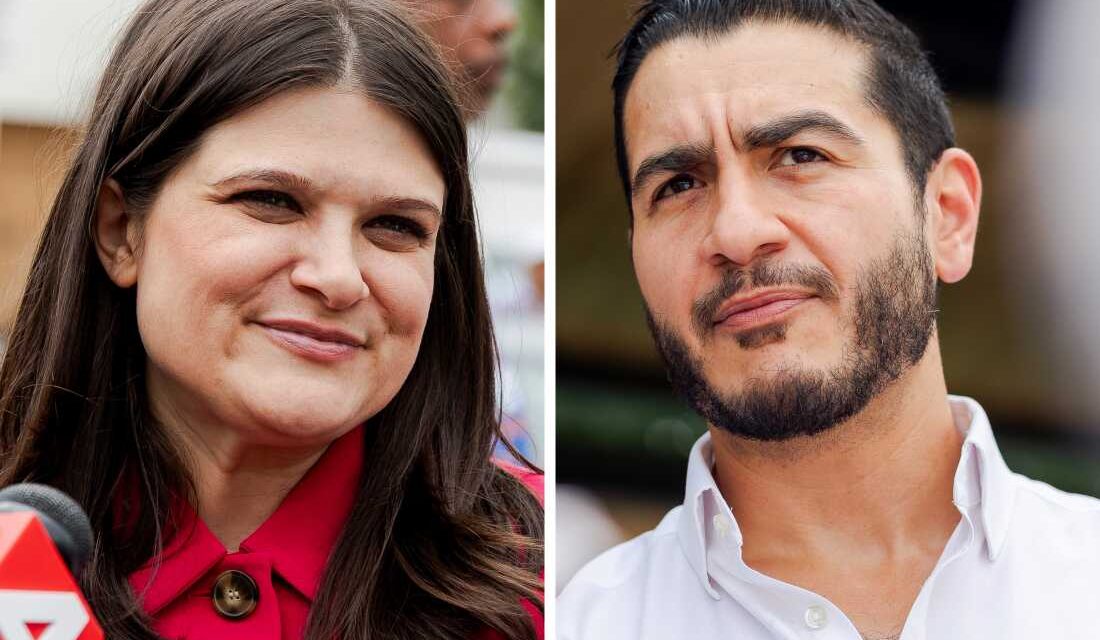
In Michigan, the Democratic primary for a U.S. Senate seat is intensifying as Haley Stevens and Abdul El-Sayed vie for the nomination. Both represent millennial voices within the party but offer distinct platforms.
Different Paths
Abdul El-Sayed is rallying progressives with his support for “Medicare for All” and his criticism of corporate money in politics. Stevens, a four-term congresswoman, promises to challenge former President Trump while maintaining a more moderate stance.
Joel Rutherford, a Democrat from Warren, expresses that the candidates have significant differences. “You have candidates who are very different,” he says. Despite this divide, the race holds national importance, as Democrats need four seats to regain the Senate majority, and Michigan’s seat is critical.
A Closer Look at the Candidates
El-Sayed, recognized for his past role as Detroit’s health department director, attended an event with the United Auto Workers. Gwen Martin and her friends, supportive of El-Sayed, feel changes are necessary due to economic struggles. El-Sayed argues special interest money obstructs progress on vital issues, including healthcare access.
Haley Stevens, during her tenure as chief of staff during the auto industry bailout, has gained support from those appreciating her efforts in reviving Detroit’s automotive sector. Kelley McKenzie, a retired auto worker, supports Stevens’ approach to political challenges.
Impact of Special Interest Money
The role of special interest money, particularly from AIPAC, has become a focal point. The group’s financial support has influenced the campaign dynamics, as voters debate the implications of such backing. Stevens’ support for Israel and AIPAC’s expenditures in her favor contrast with El-Sayed’s opposing stance on U.S. military aid to Israel, fueling contention.
Broader Party Disputes
In this primary, Democrats contend with deeper ideological divides. Voter opinions reflect a tension between progressive and moderate platforms. Some, like Joan Italia, express a desire for change while maintaining skepticism toward both parties.
Local Democrats such as Alysa Diebolt note growing dissatisfaction with the party’s current direction. Voters like Debbie Rosenman recognize the broader frustrations people feel toward the party’s strategies.
The Path Forward
Michigan’s decision holds implications for future elections. Candidates like El-Sayed receive endorsement from progressives such as Bernie Sanders, while established figures like Gov. Gretchen Whitmer back Stevens. This reflects broader trends in party affiliations and voter expectations.
Christain Horne, a voter from Detroit, encapsulates the urgency many feel on economic issues. The outcome in Michigan acts as a bellwether for national political trends, especially with the upcoming Democratic primary shift in 2028.
As the election approaches, Democrats face crucial choices that will shape both state and national political landscapes.
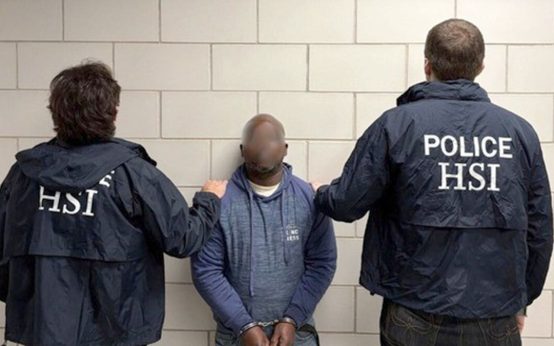 New Jersey Voter Fraud Prompts Renewed Push for SAVE Act
  Concerns Over Changes to Voter-Registration Form for Americans Abroad
  Trump’s 2024 Campaign Targets Young Men Through Cryptocurrency
  Trump’s White House Visitor Center Proposal Gains Bipartisan Support
  State Department Simplifies Passport Process with Online Applications
 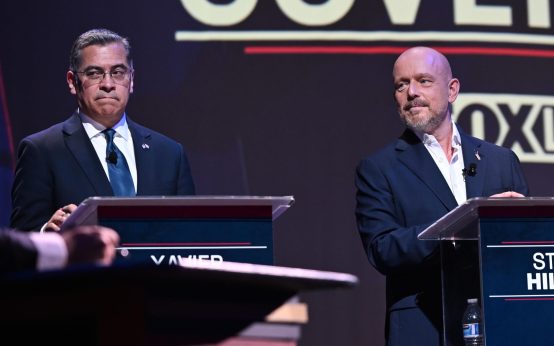 Becerra and Hilton Clash in California Gubernatorial Debate