
Millennials are transforming the way dogs are viewed as family members, embracing a style called “gentle parenting”. Unlike past generations who often saw dogs as mere companions with defined roles, millennials view them as integral family members.
Chris Edge, founder of K9Edge Dog Training, remarked that dogs are no longer confined to yards or viewed as occasional companions. Instead, they’re included in daily routines, sleeping in beds and participating in activities like daycare and spa visits. They’re joining us when shopping or traveling, and urban planning is shifting to accommodate more dog parks alongside playgrounds.
The rise in remote working, especially during the COVID-19 lockdowns, accelerated this trend. More people spent time at home, leading to a surge in dog adoptions. Dogs have formed stronger bonds with humans.
Abigail Beek, a 27-year-old from Austin, Texas, shares her experience with her two pit bull mixes, Harvey and Azula. Working from home, she dedicates herself to minimizing stress and maximizing enjoyment for her dogs. Her routine includes walks, training sessions, and playtime, adopting the principles of “gentle parenting” which emphasize empathy and positive reinforcement.
Carolyn Menteith, a dog behaviorist at Tails.com, notes the cultural shift where dogs integrate deeply into family life. “Dogs are akin to family members,” she states, “and the rise of households with young adults preferring pets over children is notable.” Many choose pets due to lower costs and responsibilities compared to children. A 2024 study even indicates 43% of Americans prefer pets over children.
The emotional connection is profound, with research showing 63% would give up their own years to extend their pet’s life. For those without children, dogs hold a special place, becoming part of daily life.
Menteith cautions against treating dogs as children, highlighting their unique species needs. Edge agrees, noting the necessity for structure and boundaries despite a move to force-free training. Many dogs, having had constant companionship during the pandemic, struggle with separation or downtime now.
The emerging “dog culture” sees businesses catering increasingly to pet owners with dog-friendly cafés, restaurants, and cinemas. However, experts emphasize that dogs must retain natural needs, as behaviors deemed problems are often inherent to their species.
Owners like Beek argue that a balance of nurturing and training is achievable, suggesting dogs can be spoiled yet well-trained. As dog ownership evolves, finding this balance of compassion and boundaries is key.
 Effective Skincare Routine for Men with Particle Moisturizer
  Rising Trend: Solo Travel Gains Popularity
  Prepare for Rainy Fall Weather with Discounted Rain Jackets
 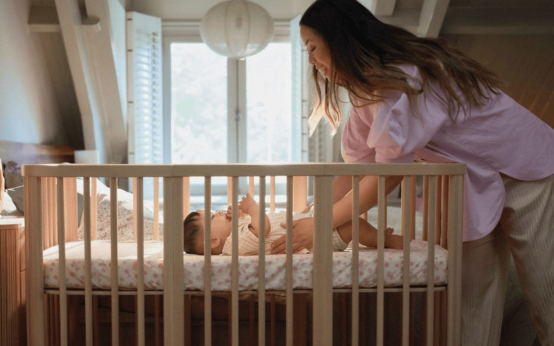 Review: Stokke Nighti 3-in-1 Convertible Cot Bed
  Embrace Failure: Turning Setbacks into Success
  Unusual In-Flight Behavior Leaves Passengers Stunned