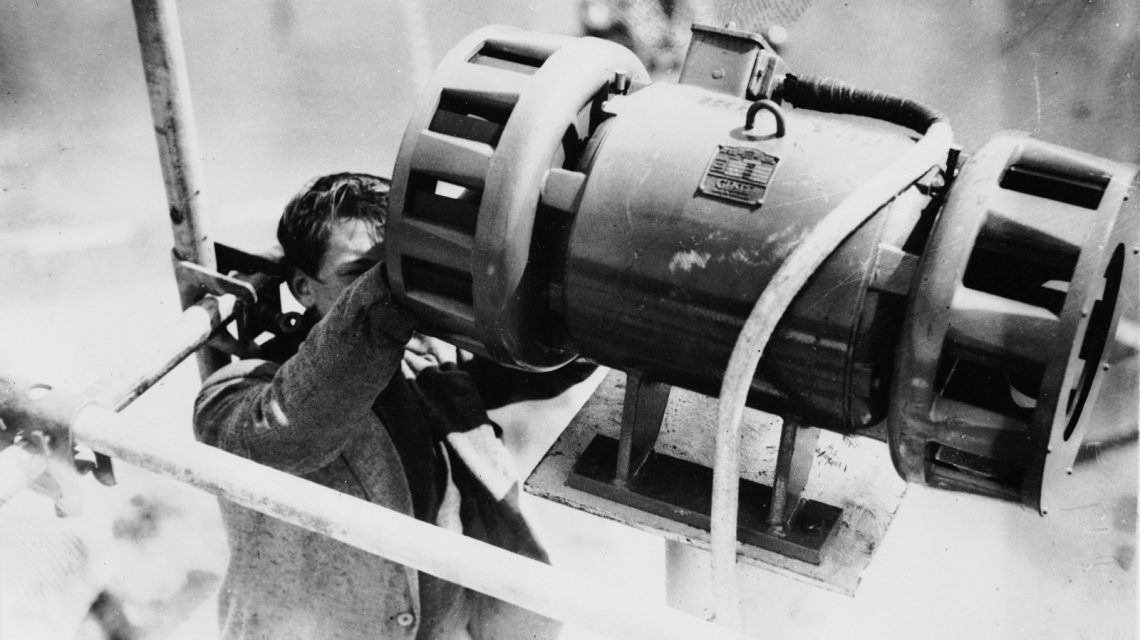
During World War II, Nazi Germany’s Luftwaffe conducted a relentless bombing campaign against the United Kingdom known as the Blitz. The campaign began on September 7, 1940, marking 57 consecutive nights of bombing in London. Bombs also targeted other parts of Britain until May 1941. Although Britain lacked the means to stop the bombs, air-raid sirens served as crucial warnings for its citizens.
Fast forward 86 years, the ongoing conflicts in Russia and Ukraine highlight the vulnerabilities of civilian warning systems. On a recent Sunday evening, Ukraine’s air-alert app users received false warnings suggesting radiation danger and chemical threats. One message even referenced an imminent nuclear attack using Russia’s Oreshnik ballistic missile.
An independent service, alerts.in.ua, recorded 122 fake alerts in seven minutes following a hacking attempt. This included 103 air-raid alerts. Daily, over 6.6 million Ukrainians depend on this service for advance warning of Russian assaults. The problem extended to various third-party services that echoed these alerts. In the Lviv region of Western Ukraine, some loudspeakers broadcasted a false radiation alert.
Shortly after, Russia encountered a similar issue. Around 2:45 a.m. Moscow time on Monday, Russia’s Emergency Situations Ministry app users received alerts warning of nuclear warheads targeting various regions. Citizens were advised to stockpile food and shelter. Messages were also shared via emergency-service channels on Telegram and MAX, Russia’s state-backed messaging app.
The perpetrators behind these attacks and any connections between them remain unidentified. However, these events might indicate a more dystopian phase of modern warfare. Manipulating civilian warning systems is notably cruel, as their primary purpose is humanitarian — providing citizens a chance to protect themselves from threats.
Even in World War II, Britain’s air-raid sirens occasionally sounded false alarms. While frustrating, they didn’t necessarily erode trust in the system. Today, knowing that enemies can manipulate these systems is far more unnerving. False alerts can demoralize populations and weaken their trust in the systems designed to protect them.
Such disruptions can have deadly consequences. Repeated false attacks may render a warning system unreliable, leading civilians to ignore genuine threats. When attacks occur, authorities must respond promptly. Ukraine’s air-alert system faced unauthorized access recently, which led to the suspension of push notifications and the temporary disabling of the application.
At 10:54 p.m., alerts.in.ua experienced a denial-of-service attack. The service spent over an hour verifying real alerts against fakes before purging the fabricated ones. Meanwhile, another service, eTryvoga, briefly stopped automatic air-raid notifications but later restored them.
The main air-alert app returned incrementally, though without its real-time map for several hours. Taking a compromised app offline creates more opportunities for actual attacks.
Cross-border aerial bombardments between Ukraine and Russia are intensifying. From July 1 to September 24 this year, more than 7,700 regional air-raid alarms were documented in Ukraine, a 27% increase compared to the previous quarter.
During the Blitz, Londoners feared the air-raid sirens due to impending attacks. Today, civilians face the added worry that the warning signal itself might be a part of the attack.
 In-Flight Altercation on Qatar Airways Leads to Police and FBI Response
 Virginia Residents Sue Over Alleged Immigration Violations
 Updates on Key International and Domestic Events
 Pope Leo XIV Completes South American Tour with Farewell Mass in Peru
 President Trump’s Critical Asia Trip: Key Meetings and Implications
 U.S. Plans to Restrict AI Chip Exports Before Trump-Xi Meeting