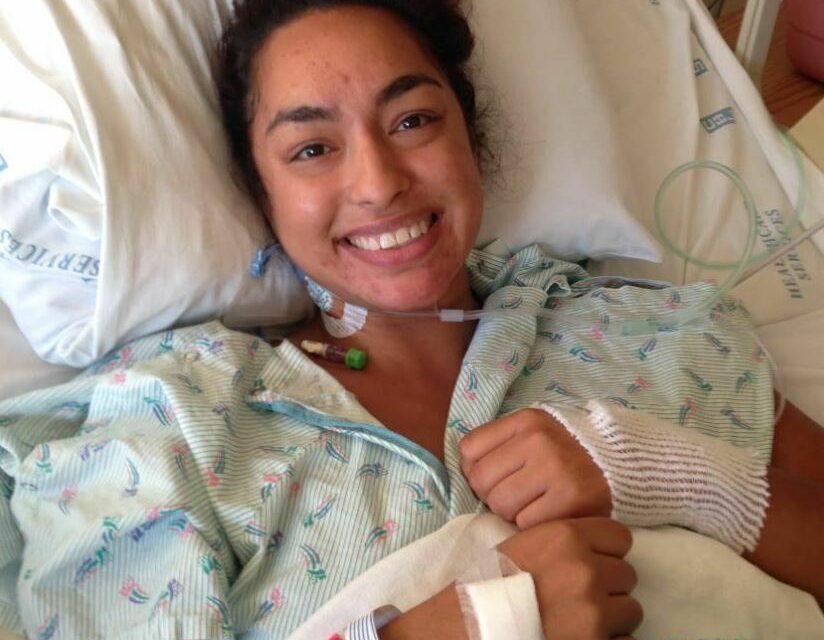
Leila Mirhaydari had a kidney transplant in 2014. Eight years later, her body began rejecting the organ. In February 2021, as pandemic restrictions eased in Hawaii, Leila finally saw her kidney doctor. This was crucial after a year of caring for the donated kidney alone. However, her lab results showed troubling signs.
“Immediately, all my levels were just out of whack and I knew that I was in rejection,” she shared. Leila struggled emotionally, feeling she let down her donor. Her kidneys had failed at 27, leading to years of dialysis and a quest for a living donor. Her step-cousin, Miles Landis, donated the kidney she fondly named “The Hulk.” For eight years, it freed her from dialysis.
Now facing rejection, Leila prepares to endure the process again. Organ rejection occurs due to the immune system attacking the foreign tissue. To prevent this, recipients take immunosuppressive drugs. If the drugs are insufficient or missed, the body may reject the organ. Nicolae Leca from the University of Washington explains this as a “snowball effect.”
Kidneys from living donors typically last 15-20 years, according to the National Kidney Fund. Yet, early rejection isn’t uncommon. In March 2020, Leila lost her job, affecting her access to health insurance and medication. “I made the very big mistake of trying to elongate my medications because I couldn’t afford them,” she admitted. Reducing tacrolimus may have led to her current rejection.
Leila expects to resume dialysis as she awaits a donor. She rejoined the UNOS list for organ sharing, confronting feelings of guilt and readiness. Over 100,000 Americans await transplants, with kidneys being the most needed. Tragically, about 17 people die daily on the list. Leila is also seeking a living donor.
In 2020, the federal government ensured Medicare covers immunosuppressive medications for the life of a transplanted organ. This change is a relief for many, though it came too late for Leila. “Anyone who’s in need of immunosuppressants will be able to receive them regardless of their insurance status,” she noted.
More information on living organ donations can be found through the United Network for Organ Sharing.
 Calm Parenting: Strategies to Manage Stress
  Trump’s Executive Order to Combat Mosquitoes and Ticks in D.C.
  Overcoming Weight Loss Challenges: Brain Health and GLP-1 Medications
  Supporting Children’s Mental Health at Home: Practical Steps for Parents
  Abdul El-Sayed’s Strategy to Attract Health-Conscious Voters in Michigan
  Preventable Infection-Related Cancer Cases Worldwide: Insights from IARC Study