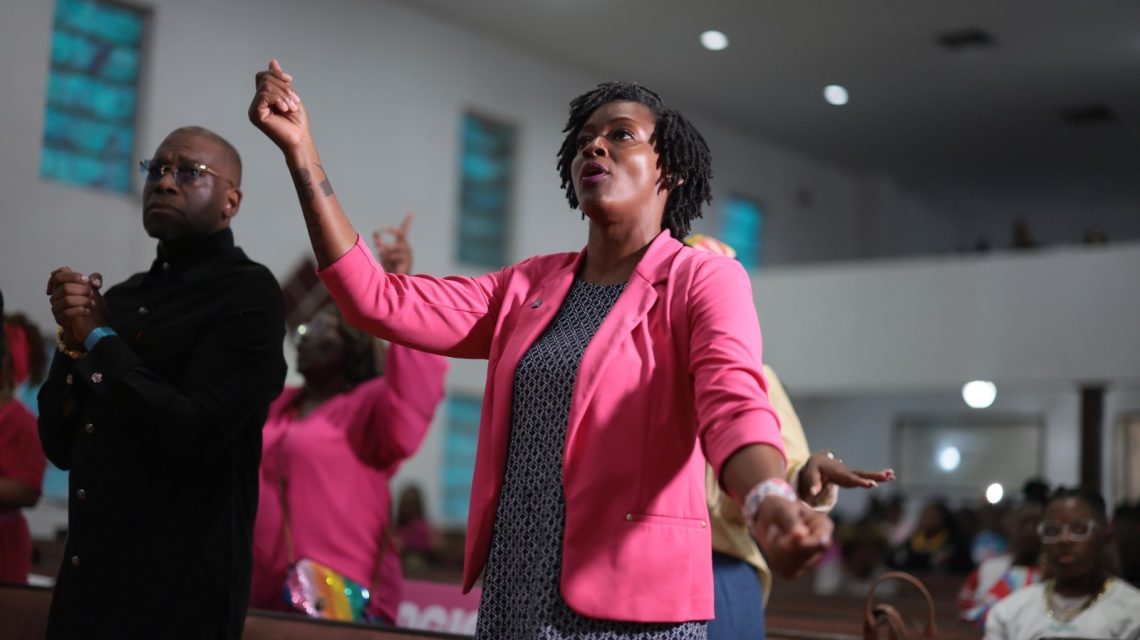
Angie Nixon, representing Jacksonville, has emerged victorious in Florida’s Democratic Senate primary, outpacing retired Army Lieutenant Colonel Alex Vindman. Her triumph as a member of the Democratic Socialists of America (DSA) marks a significant moment, potentially leading to her becoming the first DSA member elected to the U.S. Senate, should she win in the upcoming November elections.
Her candidacy introduces democratic socialist ideals to Florida, particularly resonant as the state houses the largest Cuban American population in the U.S., a community historically wary of socialism due to its stark contrast to the ideologies they fled. Leading up to the primaries, Nixon actively engaged with the community in Miami’s Little Havana, advocating her stance over Cuban coffee and in local fruterias and domino parks.
Nixon’s primary adversary in the general election will be Republican Senator Ashley Moody, who secured her seat when Marco Rubio resigned to serve as Secretary of State in 2025. Moody’s track record includes co-sponsorship of the DEMOCRACIA Act alongside fellow GOP Senator Rick Scott, an initiative targeting Cuban officials by freezing their assets and curbing entry into the States. Her legislative actions hint at the strategic points of contention in the ongoing electoral campaigns.
In contrast, Nixon argues against the U.S. embargo on Cuba, categorizing it as a policy failure that exacerbates hardships for ordinary Cubans. She champions restored diplomatic relations akin to the Obama administration, paired with criticism of Cuba’s authoritarian government, advocating for a change that honors the Cuban people’s autonomy.
A University of North Florida poll conducted before the primaries presents Moody in the lead, holding 46 percent to Nixon’s 38 percent, with 14 percent undecided. Subsequent analysis by Sabato’s Crystal Ball at the University of Virginia places the race firmly in Republican favor following Nixon’s triumph.
However, Nixon’s victory in Miami-Dade County, a Cuban American stronghold, hints at potential strategy shifts. She emerged significantly over Vindman, enjoying nearly a 20-point margin, capitalizing on large Puerto Rican communities in Osceola and Orange counties whereas Vindman’s appeal lingered in retiree-centric counties less oriented toward Latino demographics.
Understanding Cuban and Venezuelan political perspectives is vital as Florida harbors approximately 1.9 million Cuban Americans, half residing in Miami-Dade County. Diverse surveys unveil notable support for stringent U.S. policies regarding Cuba and Venezuela among Cuban-origin participants, setting a distinctive tone from other Latino groups such as Puerto Ricans and Mexican Americans.
The local political terrain is challenging for Democrats. Republican registrations dominate in 59 out of Florida’s 67 counties, indicating pronounced organizational strength extending across the state.
Professor Eduardo Gamarra from Florida International University underscores Nixon’s primary success as indicative of potential transformative electoral strategies. He opines that Nixon’s campaign leveraged popular DSA proposals, notably Medicaid for all, persuading beyond traditional partisan boundaries, primarily focusing on economic essentials and healthcare.
The Republican bent in Florida, however, remains pronounced. Historically, Democrats have struggled statewide with the last gubernatorial success occurring over three decades ago. Cuban American political representation mirrors these inclinations, with most serving congressional members adhering to Republican affiliations.
Broad national statistics suggest growing interest in socialism, but its appeal remains divisive outside the Democratic base. Nixon’s campaign reflects a strategy juxtaposing socialist policies with widely supported economic concerns, potentially carving a path that resonates deeply beyond traditional socialist confines.
Looking forward, the question persists regarding the sustainability and political heft Nixon’s acquired coalition during the primaries might hold, particularly in anticipation of the 2028 electoral landscape. For now, her campaign progresses amidst a challenging climate, seeking to leverage voter segments typically dovetailing into broader Democratic aspirations.
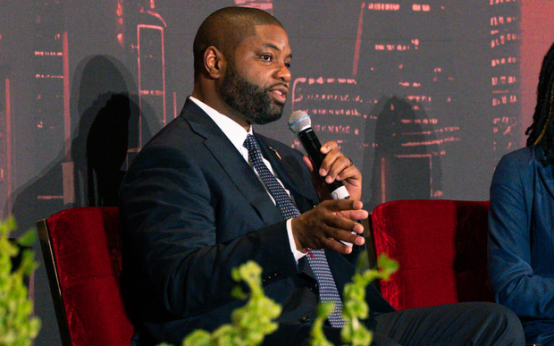 Byron Donalds Targets Black Voters in Florida Governor Race
  Brazil’s Presidential Race Heads to Runoff
 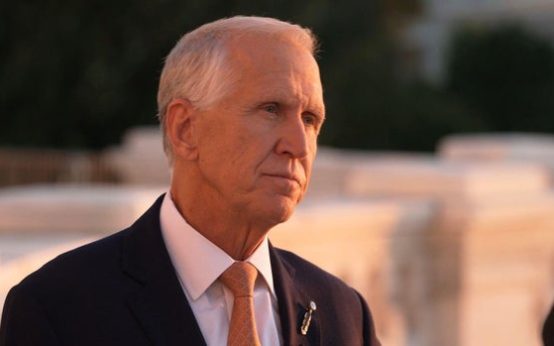 Sen. Thom Tillis Criticizes Trump’s Administration in New Book
 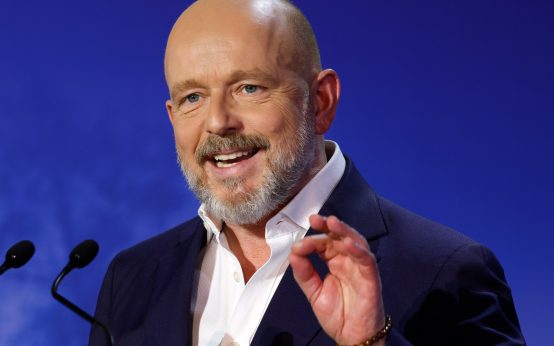 Controversy Surrounds Steve Hilton’s Campaign Ad Amid Gubernatorial Race
 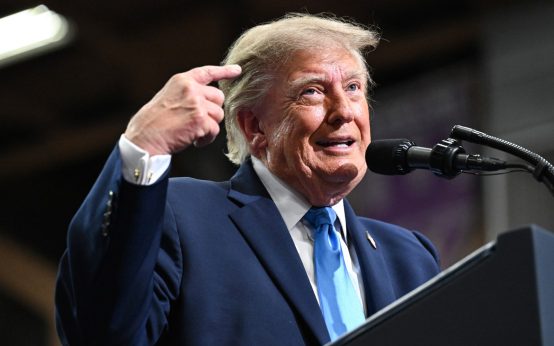 Trump Calls for Probe into Alleged ‘Paid Protesters’
 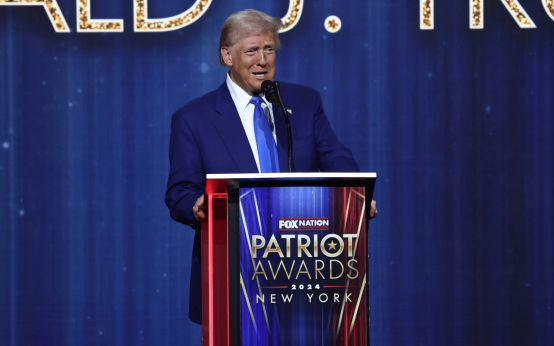 Donald Trump Criticizes Fox News for Rally Coverage