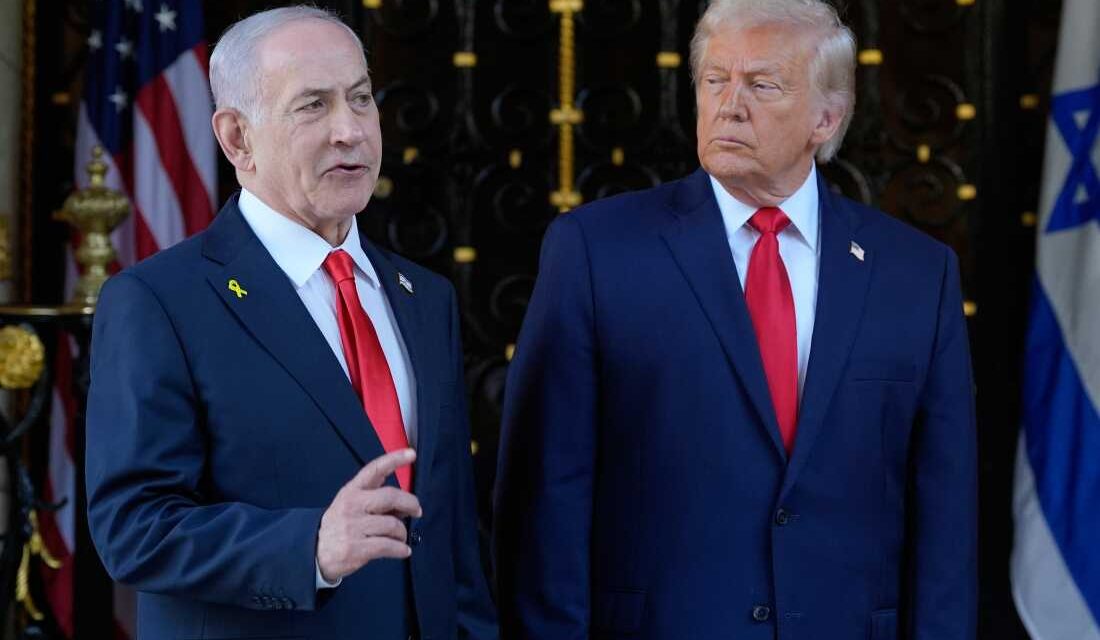
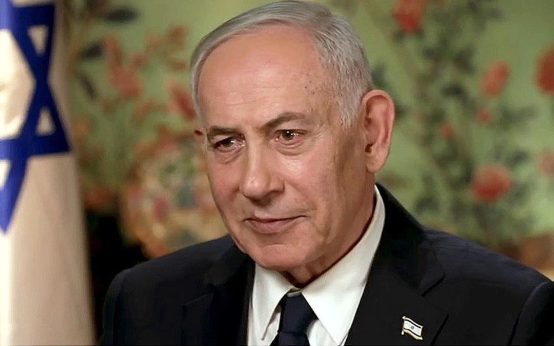
President Donald Trump recently attended a meeting where Israeli Prime Minister Benjamin Netanyahu spoke at Trump’s Mar-a-Lago club in Palm Beach, Florida. The discussion focused on Trump’s new 15-point peace plan for Gaza, which Netanyahu has turned down.
Netanyahu declared that Israeli forces will not leave Gaza until Hamas is effectively disarmed. He emphasized the need for “genuine disarmament” rather than “fictitious disarmament” in a recent meeting with his government ministers.
This refusal comes shortly after Trump’s announcement in late July that his Board of Peace had successfully negotiated a deal with the Palestinian militant group to surrender its weaponry completely. Trump described the agreement as a significant move towards enduring peace and security.
Under the proposed peace plan by Trump, officials included a provision where Hamas and other militant factions would transfer their arms to a vetted international policing entity. However, a senior Hamas representative told NPR that disarmament would only happen if Israel withdrew from certain parts of Gaza first.
The continued dispute follows an initial ceasefire agreement between Israel and Hamas in October 2025. This temporary agreement was part of Trump’s broader 20-point Gaza initiative, which paused major combat and involved the release of remaining hostages in exchange for about 2,000 Palestinian prisoners. It also increased humanitarian aid and called for a limited Israeli withdrawal, leaving tougher issues such as Hamas’s disarmament for later discussions.
Trump’s new 15-point roadmap, announced on July 31, aimed to address these lingering matters. It proposed a phased approach, envisioning Israeli withdrawals and Hamas’s disarmament incrementally rather than demanding complete disarmament of Hamas before any Israeli pullback. However, the Board of Peace had supported Netanyahu’s condition that Israeli forces would not retreat beyond the Yellow Line until Hamas’s arms are entirely deactivated, as stated on August 3.
Netanyahu reinforced his stance just under three months before Israel’s upcoming election on October 27. Current polls suggest his coalition might lose its majority, which adds pressure to the situation. Presently, Israel controls about 70% of Gaza, according to Palestinian sources and humanitarian organizations.
Meanwhile, Hamas released a statement affirming its commitment to the roadmap previously agreed upon in the negotiations. NPR’s Anas Baba contributed additional insights from Gaza.
 Incident on FlyDubai Flight Raises Security Concerns
 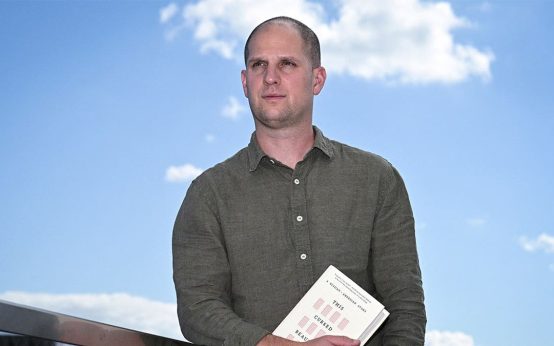 Journalist Gershkovich Discusses Wrongful Detention and Release in Russian Prisoner Swap
  Pakistan Airstrikes in Afghanistan: Civilian Casualties Reported
 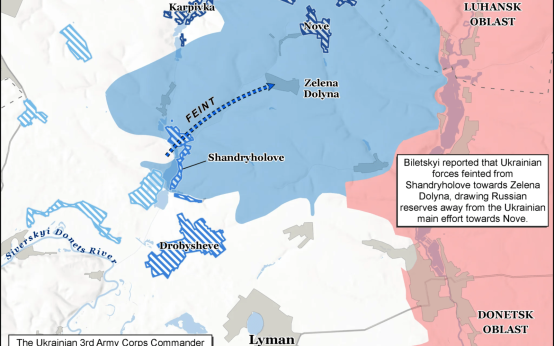 Ukraine Converts APCs to Explosive Devices in Donetsk Offensive
 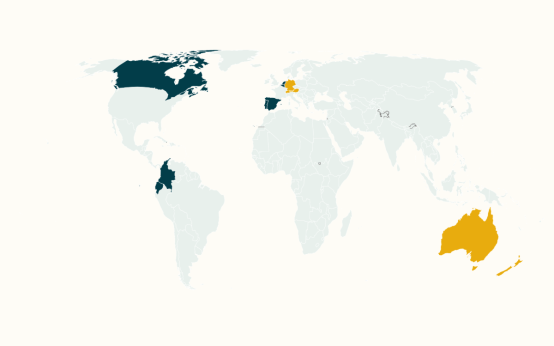 Dutch Review Board’s Euthanasia Ruling and International Debate
  Israeli PM Commends Heroic Actions in Flight Emergency