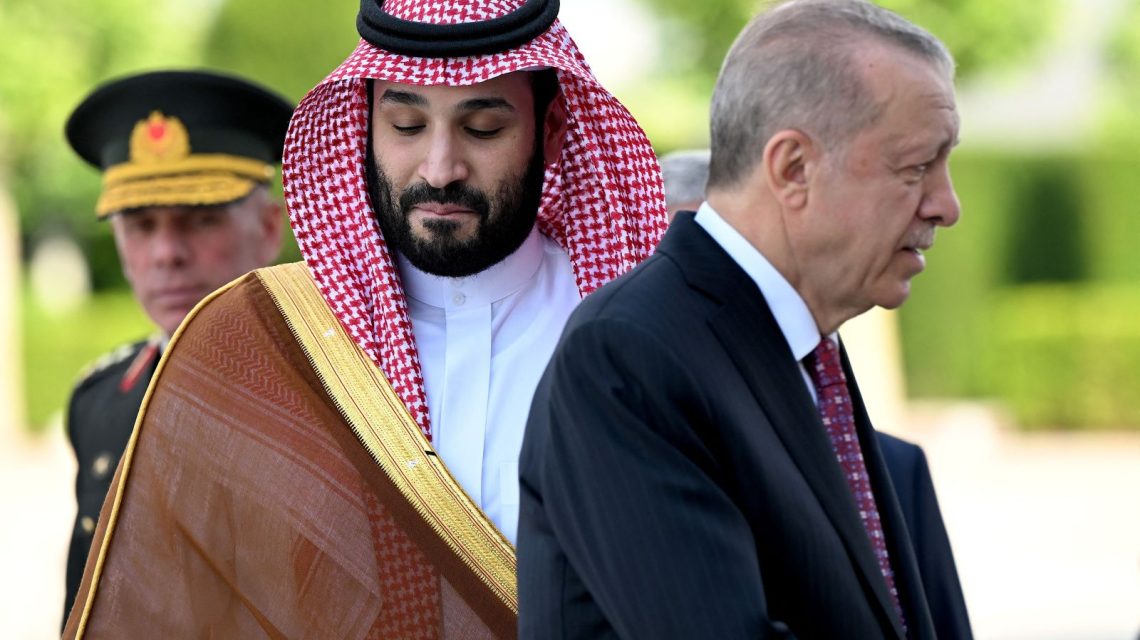
Saudi Arabia, Turkey, and Pakistan have formed a mutual-defense agreement, marking a shift in the Middle East’s power balance. With ongoing tensions involving Iran, the ‘Mecca Joint Defence Agreement’ aims to offer a NATO-like collective defense among these nations. The details of military commitments remain undisclosed, but the agreement is set to bolster cooperation amid increasing regional instability.
Regional Crisis and Security Challenges
The agreement surfaces during a time of heightened regional strife, with conflicts involving Iran provoking security partnerships. Saudi Arabia, frequently in the crossfire, has faced threats to its territory and infrastructure due to missile attacks and maritime disruptions. The pact reinforces collective deterrence, suggesting an attack on one member as an assault on all, potentially drawing Turkey and Pakistan into any future Saudi crisis. Saudi officials affirm the alliance’s defensive nature, not targeting a specific country.
Broader Middle East Competition
This defense pact is part of larger regional dynamics. While Iran’s influence is a concern, alliances like that of Israel, the UAE, and India highlight broader competition. The Abraham Accords have deepened Israeli-UAE cooperation, while ties between Israel and India have strengthened through defense collaborations. Analyst Marc Saxer notes that competing regional hegemony drives these alignments, with Saudi Arabia, Pakistan, Turkey, and Egypt forming a balancing coalition.
Independent Security Strategies
The agreement signifies a trend of Middle Eastern powers exploring independent security arrangements. With uncertainties surrounding the U.S.’s future role, regional powers move towards self-reliance. Abdulaziz Sager from the Gulf Research Center points out that these nations are coordinating more on security, hinting at a regionally driven security framework.
Future Implications of the Pact
Uncertainties remain about how the agreement will operate practically. The pact suggests collective defense without detailing military obligations, serving more as a deterrent and political message. Its implications are vast; any attack on Saudi Arabia might involve responses from Turkey and Pakistan, elevating the stakes for Tehran. In a region of intricate partnerships and rivalries, this pact underscores a shift towards self-sufficient security architectures as the Iran conflict influences geopolitical landscapes.
 Dutch Review Board’s Euthanasia Ruling and International Debate
  Israeli PM Commends Heroic Actions in Flight Emergency
  Rabbi and Jewish Leaders Criticize Adam Brody for ‘Genocide’ Comment
  Flydubai’s Emergency Landing Highlights Cockpit Security
  Former Israeli PM Naftali Bennett Commends Passengers and Crew for In-Flight Heroism
  Diplomatic Complexities Unfold at U.S. National Archives Visit