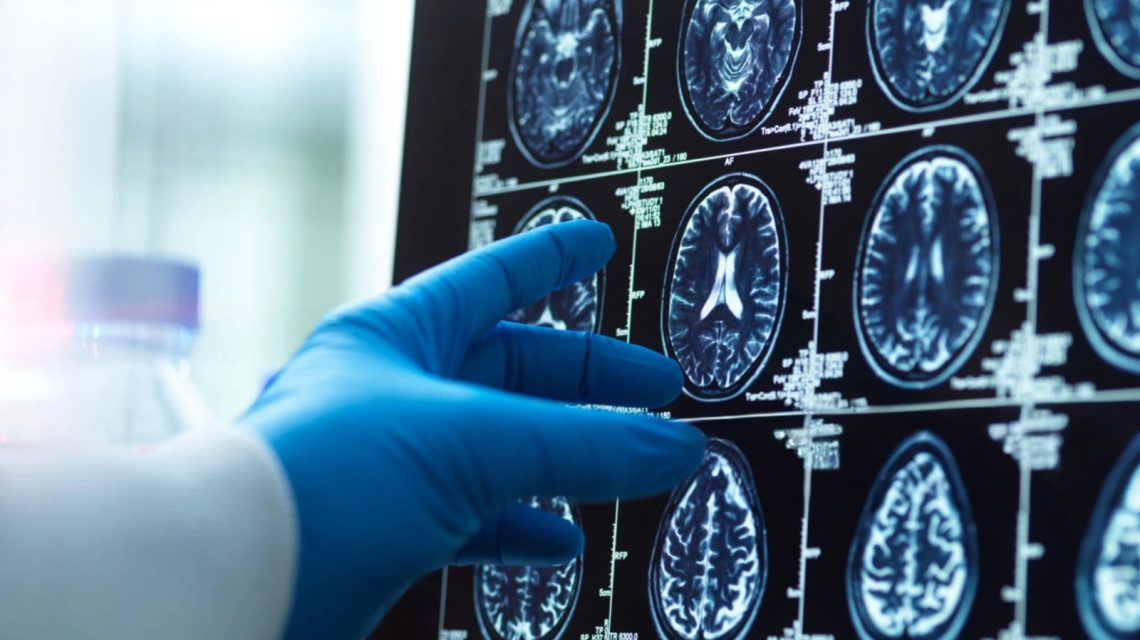
Scientists have potentially uncovered a critical clue to understanding why Alzheimer’s disease leads to dementia in some people and not others. A study published in Nature Medicine examined brain tissue from older adults who had cognitive decline and those without, including cognitively healthy centenarians. The findings suggest that how certain brain immune cells respond to Alzheimer’s-related damage might be vital in determining the progression to dementia.
Dr. Steve Allder, a consultant neurologist, remarked that this study offers promising insights into the Alzheimer’s puzzle.
Role of Brain Immune Cells
Alzheimer’s disease is commonly associated with the accumulation of two proteins: amyloid plaques and tau tangles. However, these changes do not always lead to memory loss or dementia. To explore why some individuals maintain mental acuity despite brain changes, researchers from institutions in Belgium and the UK studied brain tissue from people with dementia, healthy older adults, and centenarians.
The research focused on microglia, the brain’s immune cells, which protect and regulate brain health. The study highlighted that microglia behavior changes as Alzheimer’s progresses. Early in the disease, microglia enter an inflammatory state linked to amyloid plaques, which disrupt cell function. Later, some microglia transition to an immune state correlated with tau buildup and neuron damage.
These transitions might represent a turning point in whether Alzheimer’s brain changes result in dementia. Dr. Allder noted that while past research focused on removing plaques, maintaining a robust immune response could be crucial. Understanding the protection mechanisms might help delay or prevent symptoms, even with existing Alzheimer’s pathology.
Differing Responses to Alzheimer’s
Not everyone resists Alzheimer’s changes in the same way. Some older adults with amyloid plaques and no dementia exhibited the early microglial response but avoided the later immune state. In contrast, cognitively sharp centenarians activated the later immune response, though it was not linked to tau issues.
This variability suggests that resilience may depend not only on preventing brain changes but also on the brain’s response to them. Study author Professor Mark Fiers stated that better understanding of brain resistance can lead to new therapy avenues for preventing neurodegeneration and dementia.
These discoveries may influence future Alzheimer’s treatments to focus not solely on plaque removal but also on influencing microglial behavior and promoting immune resilience. Chief scientific officer of Muna Therapeutics, Niels Plath, emphasized the potential for developing therapies targeting microglial states.
 Increased Funding Needed for Psychiatric Hospitals
  Trump Administration Distributes ACA Refund Checks
  Higher Consumption of Ultra-Processed Foods Linked to Increased Health Risks
  Understanding Inflammation: Myths and Facts
  Climate-Resistant Rock Glaciers: Hidden Water Resources
  California Voters to Decide on $7.5 Billion State Research Fund