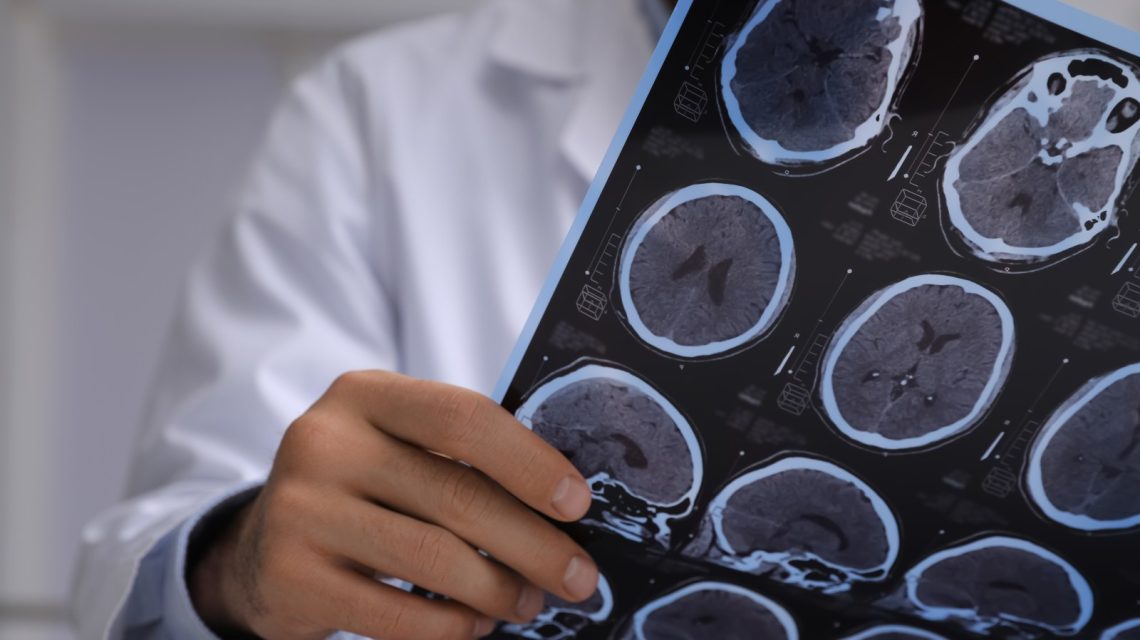
Recent research indicates that changes in the brain linked to Alzheimer’s disease may begin over seven years before detection via current imaging methods. Traditionally, amyloid plaques detected on amyloid-PET scans have been considered the earliest sign of Alzheimer’s. However, structural changes observable through MRI scans may appear long before these plaques, suggesting the disease process starts earlier than previously assumed.
Study Details
The study monitored cognitively healthy older adults without memory or cognitive issues over nearly twenty years. Participants underwent repeated MRI brain scans. During this time, some developed amyloid plaques while others did not. By studying MRI scans from up to a decade before plaques were visible on PET scans, researchers discovered measurable structural brain changes in those who later developed plaques. These changes occurred at least seven years earlier, marking the earliest brain-imaging signal for Alzheimer’s detected so far.
“Showing that Alzheimer’s develops over years means that the window to prevent or delay the disease is longer,” Dr. Lucy Hooper commented.
This study, published in Nature Neuroscience, challenges current definitions of the disease’s onset. If these Alzheimer’s-related changes occur before plaque appearance, some stages might be overlooked using present methodologies.
Exploring Possible Causes
Researchers propose two explanations. First, biological processes tied to Alzheimer’s might already be affecting the brain before plaques are detectable. These processes could contribute to forming plaques or occur alongside early changes not visible in current imaging. Alternatively, different biological mechanisms might prompt changes in the brain before any amyloid buildup. If correct, this could extend the search for treatment targets beyond just amyloid plaques.
Dr. Hooper noted previous studies detected changes in cerebrospinal fluid and blood decades before amyloid buildup on scans, reinforcing the notion that Alzheimer’s begins long before conventional imaging detects it. She elaborated that soluble amyloid forms might impair brain connections before becoming visible plaques. Additionally, inflammation and changes in immune cells, blood vessels, and the glymphatic system can emerge independently of plaque accumulation.
Impact on Diagnosis and Treatment
The findings could shape future diagnostic and therapeutic strategies. Hooper emphasized that understanding Alzheimer’s biology improves diagnosis and prevention chances. Currently, blood testing for plasma p-tau217 aids in Alzheimer’s diagnoses, albeit imperfectly due to potential false results.
Discovering better biological markers could lead to new therapies for reducing or preventing Alzheimer’s, as researchers increasingly explore alternatives targeting inflammation, metabolic shifts, and the glymphatic system beyond amyloid.
Reference: James M. Roe, et al. Cortical thickness changes precede high levels of amyloid by at least 7 years. Nature Neuroscience, 2026; DOI: 10.1038/s41593-026-02363-4
Contact Newsweek editors: Kara Dolman and Gray R. Thomas
 Increased Funding Needed for Psychiatric Hospitals
  Trump Administration Distributes ACA Refund Checks
  Higher Consumption of Ultra-Processed Foods Linked to Increased Health Risks
  Understanding Inflammation: Myths and Facts
  Calm Parenting: Strategies to Manage Stress
  Trump’s Executive Order to Combat Mosquitoes and Ticks in D.C.