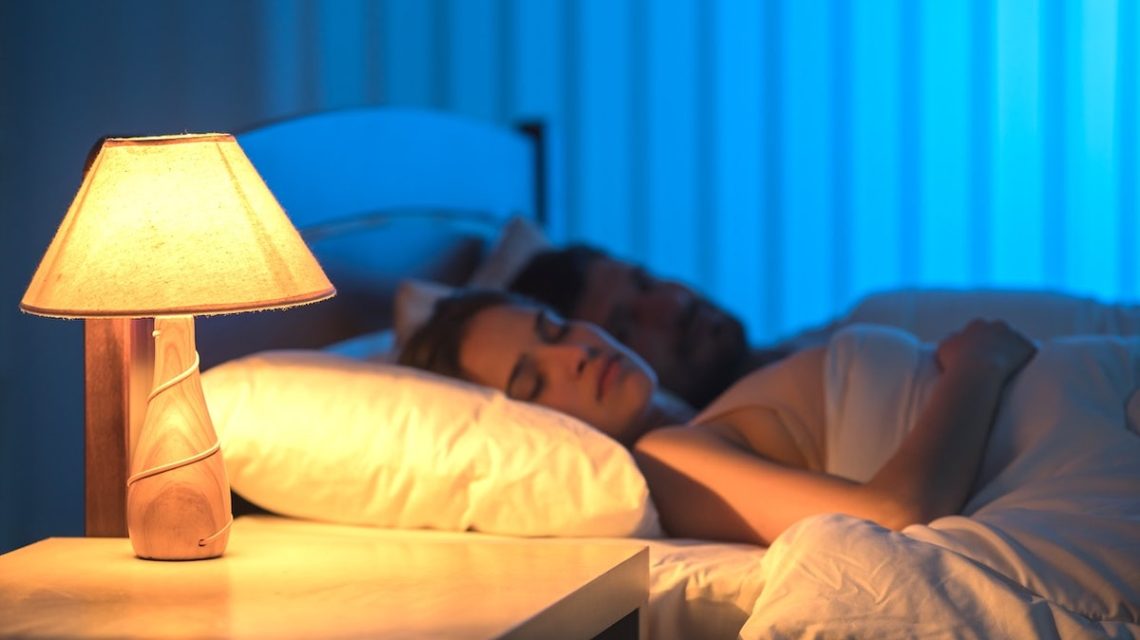
A recent study by Tulane University has raised concerns about sleeping with lights on, linking such exposure to an increased risk of cardiovascular diseases. Researchers identified that exposure to more than 3 lux of light—equivalent to the brightness of moonlight—is connected with heightened risks of heart failure, atrial fibrillation, heart attack, stroke, and cardiovascular-related deaths.
Chelsie Rohrscheib, Ph.D., a sleep expert and neuroscientist, explains that sleep is regulated in part by the circadian rhythm, the brain’s internal clock governing sleep and wakefulness. Light entering the eyes serves as a signal to the brain to suppress melatonin production, the hormone vital for controlling sleep timing. Low light levels trigger increased melatonin production, preparing the body for sleep. However, light pollution can trick the brain, reducing melatonin production and adversely affecting sleep quality.
Chelsie Rohrscheib says, “Sleep plays an essential role in various biological processes, including restoration, hormone release, immune system functioning, cognitive processes, brain waste clearance, and metabolic regulation.”
When sleep quality is repeatedly poor due to consistent light exposure, these processes can suffer, increasing risks for chronic health conditions like hypertension, cardiovascular disease, stroke, type 2 diabetes, obesity, neurodegenerative diseases, cancers, and mood disorders.
A Northwestern Medicine study from 2022 supports these concerns. It found that sleeping one night with moderate light exposure (100 lux) disturbed glucose regulation and increased heart rate while stimulating sympathetic nervous system activities as reflected by reduced heart rate variability.
Sleep researcher Ashley Curtis, PhD, mentions that sleep impairment is linked with higher mortality risks and emerging evidence shows it affects the gut microbiome, influencing digestion and immunity. Disrupted sleep has evident immediate impacts on health, and long-term health risks are significant.
Insomnia in individuals with chronic sleep disruption can worsen with bright light exposure before bedtime, further interfering with the biological circadian rhythm. Certain groups are more sensitive to nighttime light, such as shift workers, children, older adults, and individuals with mood disorders.
Older adults become less sensitive to light, so bright or short-wavelength light has a weaker effect on melatonin suppression compared to younger adults. However, older adults also face higher prevalence of sleep disruption, impacting circadian systems.
Bright light has a pronounced impact on melatonin suppression, more so in men. For exceptional sleep quality, experts suggest that while blackout curtains are optimal, absolute darkness isn’t necessary for a healthy sleep environment.
Alex Dimitriu emphasizes that blue wavelength light from TVs and phones is the most disruptive to sleep due to retinal sensitivity and maximal melatonin suppression. Dim, warm, red-toned night lights have minimal circadian impact, resembling natural sunset colors.
Here’s what you can do to improve your sleep environment:
- Turn off harsh overhead lights one to two hours before bedtime.
- Place night lights low to the ground.
- Use dimmer bulbs that emit warm light with longer wavelengths, such as orange, amber, or red.
- Discontinue screen use at least one hour before bedtime.
- Avoid bright lights from outside by layering window treatments.
- Consider using a face mask to further block light pollution during sleep.
Making these practical changes can significantly enhance sleep quality.
Melissa Rudy, senior health editor at Fox News Digital, contributed to this report. For story tips, email [email protected].
 Increased Funding Needed for Psychiatric Hospitals
  Trump Administration Distributes ACA Refund Checks
  Higher Consumption of Ultra-Processed Foods Linked to Increased Health Risks
  Understanding Inflammation: Myths and Facts
  Calm Parenting: Strategies to Manage Stress
  Trump’s Executive Order to Combat Mosquitoes and Ticks in D.C.