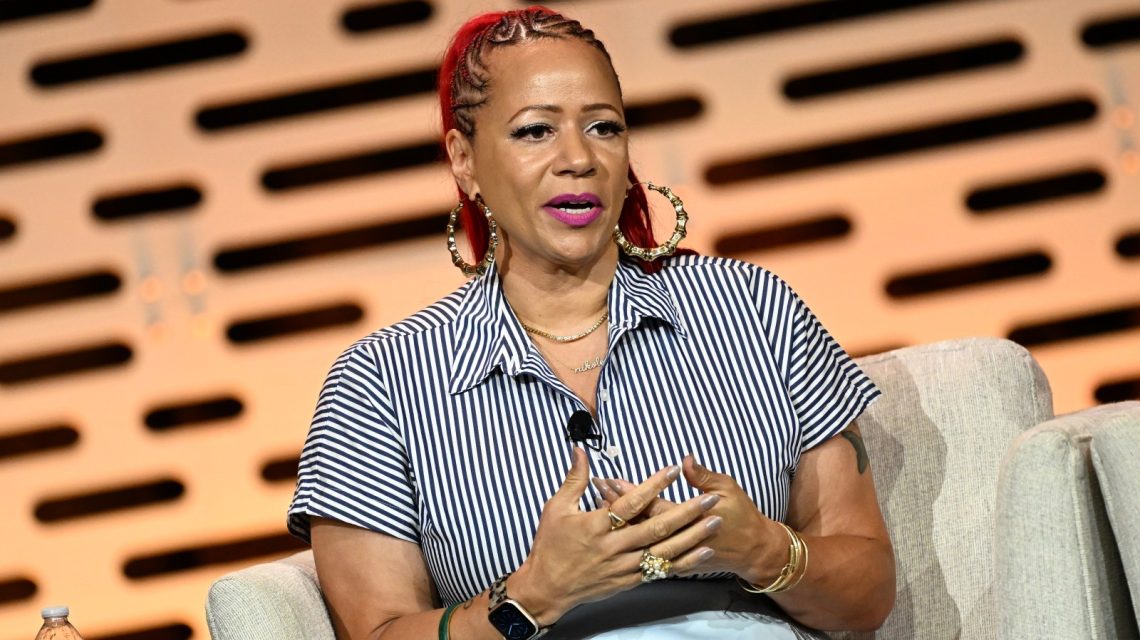
Ten years ago, Nikole Hannah-Jones, a Pulitzer Prize-winning journalist, placed her daughter on the cover of The New York Times Magazine to discuss school integration, linking it to her personal experience. She advocated for integrated schools and enrolled her daughter, Najya, in a Brooklyn school with high poverty rates.
Over the weekend, Hannah-Jones released a follow-up essay, revisiting her decision and expressing doubt about the choice. She discussed problems at the school that she was aware of but continued to support. Despite her belief in public education, Hannah-Jones now questions whether she failed both her values and her child.
Najya attended Public School 307, which primarily served students from a nearby public housing area. The student body was overwhelmingly Black and Latino. Hannah-Jones contemplates her choice, realizing that her daughter did not receive the education she deserved, struggling with subjects like algebra, traced back to gaps from elementary school.
Najya challenged her mother on the decision, asking if she knew the school was inadequate when enrolling her. This question highlighted her struggles, prompting Hannah-Jones to examine her choices. Najya’s education issues were compounded by ungraded assignments and inadequate assessments, leading Hannah-Jones to apologize, acknowledging her mistake.
Despite her personal regrets, Hannah-Jones remains committed to advocating for integrated schools, noting that Black students continue to face segregation in New York’s educational system.
The essay sparked a broader discussion on progressive policies, with critiques emerging on social media and from public figures. Critics, including Henry Mack and Maud Maron, argue that Hannah-Jones’ approach failed, using her daughter’s experience as evidence.
Some views supported Hannah-Jones’ candor, with Monica Marks commending her willingness to share her personal reckoning despite public scrutiny.
The debate over “Woke 1.0”—coined by Chi Ossé—touches on progressive politics from 2017 through recent protests and the pandemic. It has resulted in reevaluation of past policies by politicians like Alexandria Ocasio-Cortez, who reflect on the language and ideas from that era.
Progressive candidates have since adjusted their positions on issues like defunding police, school admissions, and identity politics. Figures such as Abdul El-Sayed and Zohran Mamdani have faced intense scrutiny over past statements.
Amid shifting political landscapes, Democrats face decisions about retaining certain progressive aspects in their platforms. Economic issues and affordability have become central topics, as candidates like House Minority Leader Hakeem Jeffries highlight living expenses and healthcare costs.
Controversy surrounding transgender athletes in sports discussions has intensified, with many Democrats publicly opposing participation that aligns with gender identity—polls reveal a majority agreeing with this stance.
As elections approach, Democrats continue to debate the extent to which past progressive policies and rhetoric should influence their message, focusing on priorities like economic stability and institutional reforms.
 President Trump’s Return to Alabama Before Midterms
 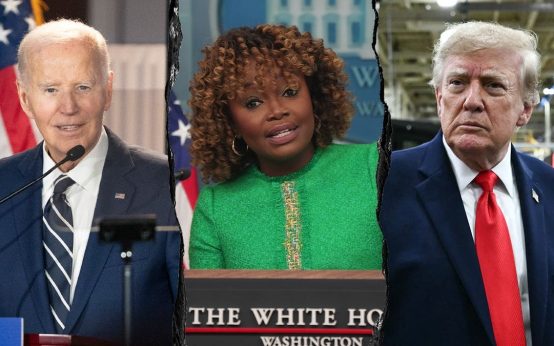 Jean-Pierre’s Critique on Trump’s Messaging Echoes Her Time with Biden
 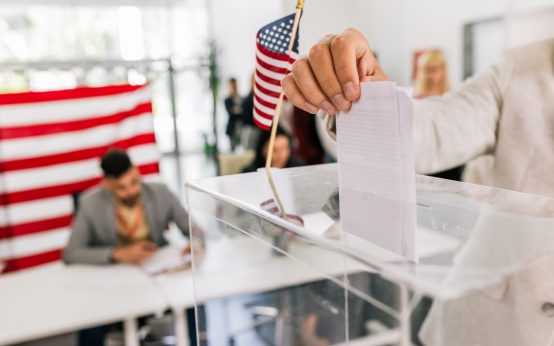 Voter Registration Deadlines and Requirements for Upcoming U.S. Midterm Elections
  Families Fight Trump Administration’s Ban on Medical Care for Trans Youth
 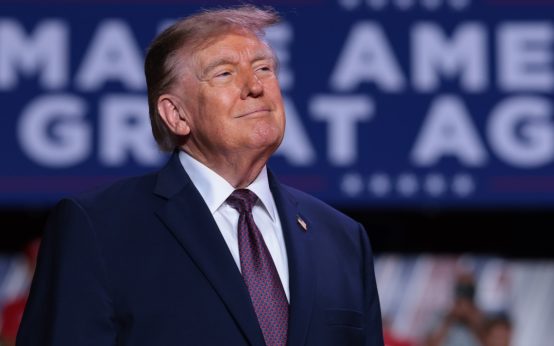 Trump Announces $100 Checks for Seniors to Aid Medicare Part B Premiums
  Trump Suggests His Name for Major Alabama Bridge Project