Homer’s ‘The Odyssey’ has captivated readers for nearly 3,000 years. This epic tale narrates the journey of a displaced king battling gods and monsters to reclaim his throne on Ithaca. It has been translated into English over 60 times and inspired more than 36 films. Christopher Nolan’s blockbuster adaption debuts shortly.
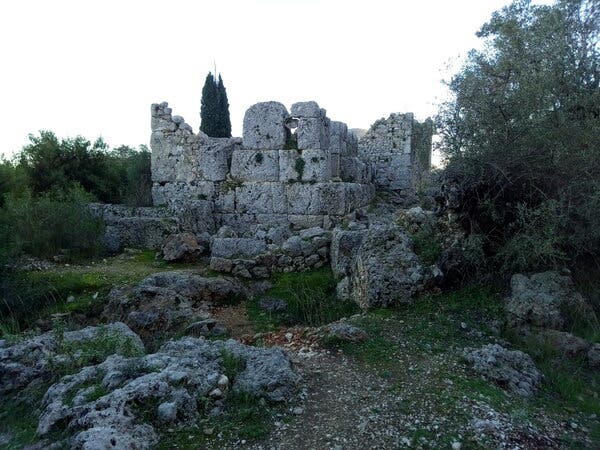
Modern scholars usually classify Odysseus as fictional folklore. However, recent archaeological work on Ithaca paints a different picture. The discovery of a 2,400-year-old sanctuary suggests Odysseus was considered a real figure worthy of worship by the ancients.
The site, known locally as the School of Homer, is situated on Mount Exogi’s rocky terraces. Archaeological interest in the site dates back over a century, yet earlier studies dismissed its connection to ‘The Odyssey’. An 1878 excavation did not find compelling evidence supporting Homer’s depictions.
Giannos G. Lolos, an archaeologist from the University of Ioannina, leads current excavations that began in 2018. These build upon systematic digs carried out from 1994 to 2011. The Greek Ministry of Culture reported substantial findings last year, including a grand ceremonial hall, a potential watchtower, and a cistern in Mycenaean style.
Local speculation has long linked the ruins to Odysseus’ palace. However, Dr. Lolos notes the remaining structures do not date back to 1200 B.C., the era of Odysseus’ journeys. Nevertheless, the ruins connect the ancient poetic vision with historical evidence, showing Odysseus’s enduring influence in Greek culture.
 Possible 19th-Century Shipwreck Exposed by Nor’easter in Nantucket
  Midwest Underground Railroad Network Gains National Recognition
  Art Collective Critiques Administration with Mall Installation
  American Hagwon: A Tale of Family and the Korean Diaspora
  Volunteer Enthusiasm Shines at Frank Lloyd Wright Home and Studio
  Bible’s Role in Times of War