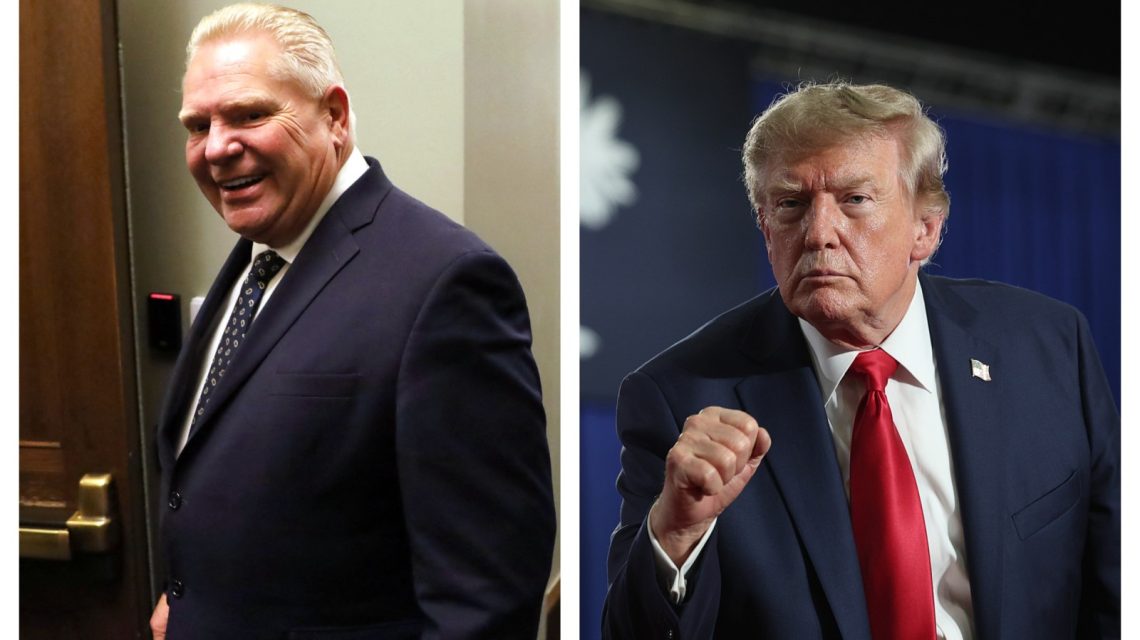
Ontario Premier Doug Ford has repeatedly expressed disapproval of U.S. President Donald Trump’s trade policies, suggesting they clash with those of former President Ronald Reagan. Ford believes Reagan, known for his support of free trade, would be unimpressed by Trump’s actions. Ford stated that Trump’s tariffs and interventionist methods deviate from Reagan’s economic strategies, remarking that Reagan would be appalled.
Ford’s comments surfaced following the breakdown of U.S.-Canada trade discussions. This occurred after Trump imposed a 50 percent tariff on $20 billion worth of Canadian goods, prompting Canada to retaliate. Ford, serving as Ontario’s premier since 2018, has had a tumultuous relationship with Trump. Despite indicating a desire for positive U.S.-Canada relations, Ford often targets Trump in his comments.
Ford’s Statements on Trump
On January 6, 2025, Ford mocked Trump’s threats of a 25 percent tariff on Canadian products and his idea of making Canada the 51st U.S. state. Ford humorously suggested Canada purchase Alaska, Minnesota, and Minneapolis, despite disclaiming the feasibility of such a move. He highlighted the significance of Canada’s exports to the U.S., such as critical minerals, oil, and electricity.
In a January 22, 2025 interview with Politico, Ford described himself as a ‘street fighter’ in politics, ready to counter any attacks from Trump. He warned of potential retaliatory measures, including power cuts to U.S. homes and banning U.S. liquor in Ontario. Still, Ford emphasized his preference for collaboration over conflict.
After securing a third election victory for the Progressive Conservatives on February 27, 2025, Ford announced he would confront Trump’s tariff threats, stating explicitly that Canada would not become the 51st state. By March 4, 2025, Ford was publicly blaming Trump for chaos caused by tariff threats and called upon U.S. Republican politicians to oppose the president.
On March 10, 2025, Ford announced a 25 percent increase in electricity charges to 1.5 million American customers in retaliation to Trump’s trade war. Ford emphasized his willingness to further escalate this action if necessary.
Ford ridiculed Trump on March 26, 2025, when the U.S. president referred to tariffs as ‘Liberation Day’. Ford criticized Trump, claiming the policy would be detrimental to American workers.
During the Canada Growth Summit on April 24, 2025, Ford accused Trump of targeting Canadian industries. He criticized the president’s unpredictable decision-making.
Escalations and Political Tensions
Ford continued his critique of Trump, responding to the U.S. president’s rhetoric and trade measures on multiple occasions. For instance, Ford called Trump ‘the most disliked politician’ in Canada on August 7, 2025, following tariff threats. On September 29, 2025, he rebuked Trump’s new trade measures against the global film industry.
Trump’s July 20, 2026 threat to impose tariffs if Canada didn’t mitigate wildfire smoke crossing into the U.S. was met with Ford’s suggestion that the U.S. should assist with resources. In subsequent media interviews, Ford accused Trump of economically attacking Canada.
On August 22, 2026, Ford criticized Trump harshly after a trade dispute resulting in reciprocal tariffs. He labeled Trump an untrustworthy individual, emphasizing Canada’s need for unity. In a statement on August 24, 2026, Ford accused Trump of being a dictator and a bully, urging American voters to scrutinize Trump’s unfulfilled promises.
Responses from Trump
Trump’s responses to Ford’s actions and statements were often conveyed through social media. On March 10, 2025, after Ford imposed a surcharge on electricity to U.S. states, Trump labeled Canada a ‘tariff abuser’. Despite these tensions, Trump praised Ford on March 11, 2025, after Ford suspended the surcharge.
By October 16, 2025, Trump terminated trade talks with Canada and imposed additional tariffs. He accused Canada of misrepresenting Reagan’s views on tariffs through advertisement campaigns. Throughout 2026, Trump continued his criticism of Ford’s leadership and Canada’s economic policies.
On August 23, 2026, Trump posted on social media that Canada sought benefits similar to a U.S. state without being one. The next day, he reiterated his critique of Canadian leaders, emphasizing that the U.S. remains superior economically.
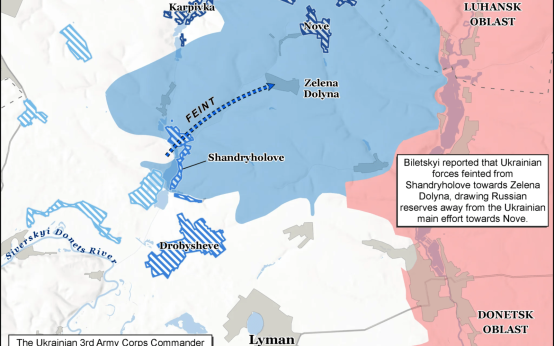 Ukraine Converts APCs to Explosive Devices in Donetsk Offensive
 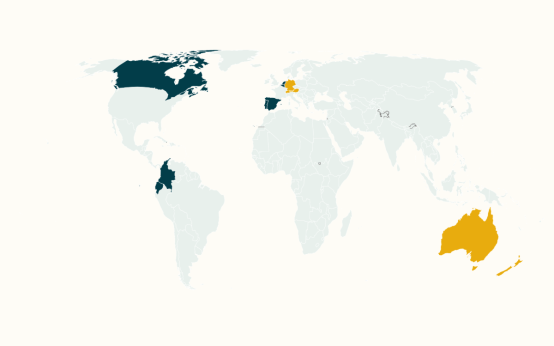 Dutch Review Board’s Euthanasia Ruling and International Debate
 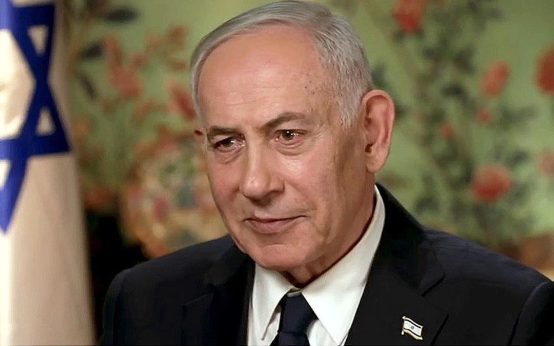 Israeli PM Commends Heroic Actions in Flight Emergency
  Rabbi and Jewish Leaders Criticize Adam Brody for ‘Genocide’ Comment
  Flydubai’s Emergency Landing Highlights Cockpit Security
  Former Israeli PM Naftali Bennett Commends Passengers and Crew for In-Flight Heroism