Escalating Tensions Over Classified Information Release
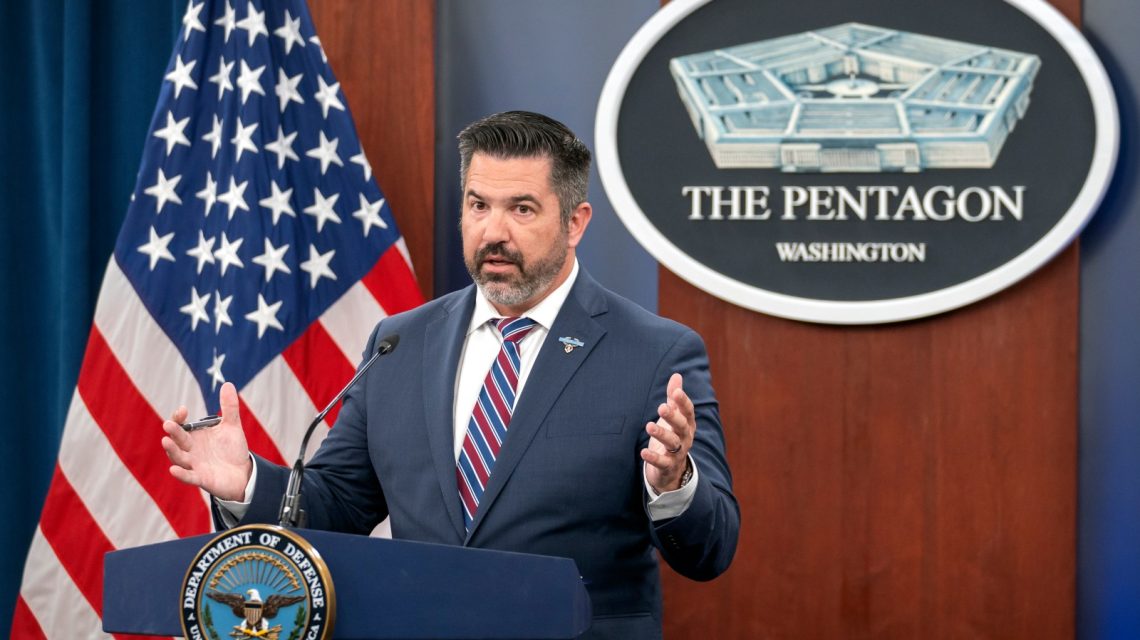
Chief Pentagon spokesman Sean Parnell has expressed strong disapproval over the release of a classified military assessment related to the U.S. engagement in Iran. This controversy highlights ongoing political and national-security issues. It follows revelations by The Washington Post regarding internal warnings from top military commanders.
Concerns Over U.S. Military Readiness
The Washington Post reported that military leaders had cautioned Defense Secretary Pete Hegseth about the strain prolonged Middle East operations are imposing on U.S. forces. The information was from the August 14 Secretary of Defense Orders Book. Commanders of the Army, Navy, and Air Force, along with several four-star combatant commanders, noted that extending deployments to the Iran conflict was affecting their ability to secure other regions, including the U.S. homeland.
Parnell’s Response to Allegations
In a statement to Newsweek, Parnell condemned the release, stating it was “full of inaccuracies” and labeling the act a “crime” and “betrayal” of U.S. forces.
He emphasized that decisions about military force commitments are based on threat assessments, strategic priorities, and advice from military leaders. Parnell stated that the Department of War does not publicly discuss internal operational processes or specifics from the SWOB.
On social media, Parnell insisted that publishing classified assessments from the Secretary’s orders book was unlawful and harmful to military operations.
Journalistic and Legal Perspectives
Washington Post reporter Dan Lamothe countered Parnell’s claims, arguing that independent journalism is crucial, especially when government transparency is lacking. Legal experts say that publishing classified data is generally protected under the First Amendment unless it reveals sensitive details that could cause immediate harm.
Details of the Leaked Assessment
The leaked assessment warns that the Iran conflict is stretching U.S. military capabilities. European, Pacific, and Southern Commands expressed concerns about the diversion of resources affecting their duties. Navy Admiral Daryl Caudle specifically highlighted the Navy’s diminished readiness, citing a reduced number of deployable destroyers and maintenance delays.
Army and Air Force leaders had agreed to prolong deployments but pointed out associated risks. This includes extending the 82nd Airborne Division’s deployment and challenges faced by Patriot missile units due to resource limitations.
Reactions to Depleted Missile Supplies
President Donald Trump has warned against leaking information about U.S. munitions after reports indicated low missile stockpiles due to the Iran conflict. Despite increased defense spending, resupplying sophisticated weapons like ATACMS and PrSM could take years.
Reports emphasize the U.S. military’s use of significant quantities of munitions in the initial weeks of the war. CSIS estimates highlighted reduced THAAD and Patriot interceptor numbers by the end of July.
Future Implications
Congress is considering additional funding, with requests totaling $88 billion in a supplemental budget and a $200 billion Pentagon budget for the Iran conflict. The response from lawmakers and the potential for further information leaks could influence the conflict’s management in the coming months.
 Upcoming Congressional Elections: Key Districts to Watch
  President Trump’s Pre-Midterm Interview on Key Issues
  Trump’s 2024 Reelection and Evolving Voter Dynamics
  Defense Secretary Emerges as Key Player in the Trump Administration
  Hegseth’s Vision for the Military: Balancing Tradition and Innovation
  Significant Funding Boosts Ken Paxton’s Texas Senate Campaign Amid Tight Race