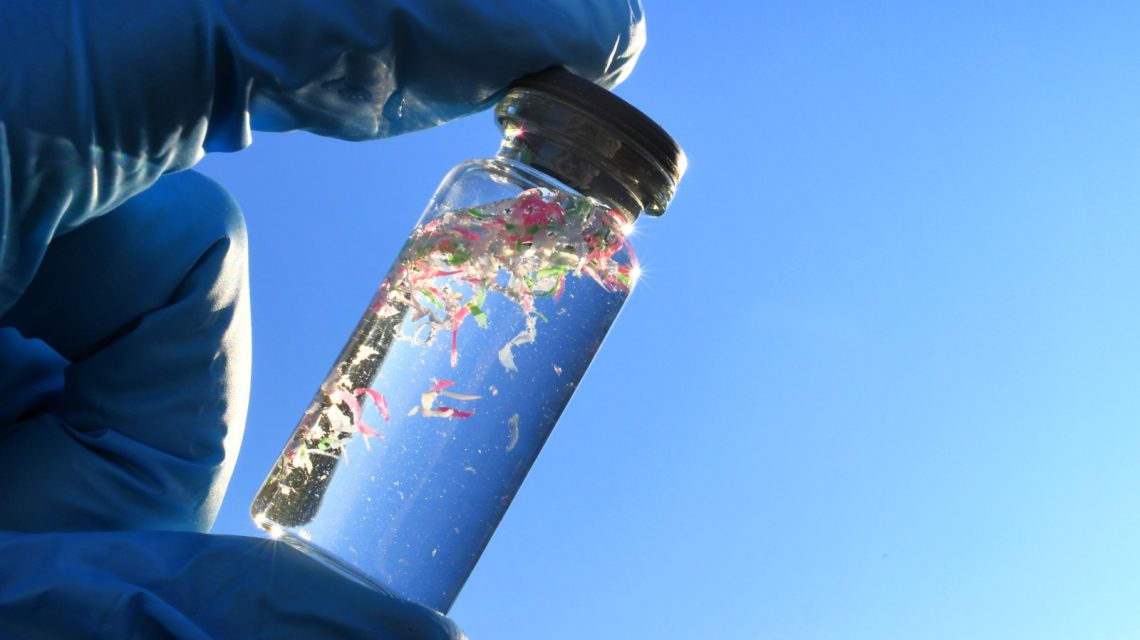
Research from Texas A&M University has uncovered potential health risks associated with polyethylene, a common plastic in food packaging. This study found that polyethylene may contribute to fatty liver disease and exacerbate its effects when combined with unhealthy diets.
The Study of Polyethylene
Microplastics, small particles resulting from larger plastic products, are widespread in the environment and the human body. Polyethylene, which represents a significant portion of global plastic production, has not been extensively studied for its health impacts. Dr. Adi Joshi, a study author, emphasized that despite polyethylene’s prevalence, there was a lack of research focusing on its effects on liver health.
Polyethylene & Fatty Liver Disease
The research team sought to examine polyethylene’s role in fatty liver disease, characterized by excess fat in liver cells. They found that polyethylene exposure increased disease markers, with more pronounced effects when combined with a typical Western diet. Dr. Joshi noted that individuals consuming Western-style diets, like burgers and sodas, might have a higher risk of developing fatty liver disease due to polyethylene exposure.
Using spatial transcriptomics, the researchers partnered with the University of Oklahoma to study liver gene activity and damage. They identified PPAR-alpha, a protein controlling liver fat production, as crucial in the liver’s response to polyethylene. The gene ANXA2, associated with tissue repair, was also highlighted as potentially involved in disease development.
Many common household items contain microplastics and PFAS chemicals that can harm health. It’s an important discussion,” commented Dr. Nhan Nguyen, who was not part of the research.
Though microplastic exposure has been linked to worsening liver disease in animal studies, a direct causal relationship in humans remains unconfirmed. Nguyen stressed the importance of comparing human exposure levels before concluding the effects on human health.
What Happens Next?
The researchers aim to explore whether polyethylene affects later stages of liver disease, such as fibrosis, and examine more molecular pathways involved in microplastic impact. They also seek to understand if manipulating the PPAR-alpha pathway could mitigate polyethylene’s effects on the liver.
Dr. Joshi described the study as pioneering in demonstrating polyethylene’s contribution to liver disease, noting that spatial transcriptomics precisely identified liver damage locations. Dr. Nguyen added that such research could raise public awareness about microplastics and environmental chemicals.
Reference: Joshi et al. Spatial transcriptome mapping identifies Ppara-Anxa2 cross-talk in microplastic-induced hepatotoxicity. Science Advances. DOI: 10.1126/sciadv.aec868
Contact Newsweek editors: Kara Dolman and Gray R. Thomas
 Increased Funding Needed for Psychiatric Hospitals
  Trump Administration Distributes ACA Refund Checks
  Higher Consumption of Ultra-Processed Foods Linked to Increased Health Risks
  Understanding Inflammation: Myths and Facts
  Calm Parenting: Strategies to Manage Stress
  Trump’s Executive Order to Combat Mosquitoes and Ticks in D.C.