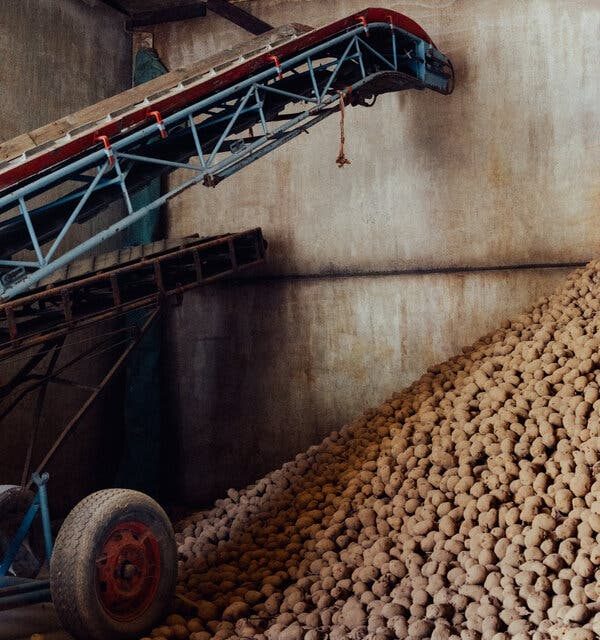
The potato harvest in Belgium reached remarkable levels, setting new records. However, this occurred during a time when tariffs affected U.S. demand for frozen fries and competition in Asia increased.
A staggering thousand tons of potatoes rested in a warehouse on Kris D’haeyere’s farm. The potatoes, stacked 15 feet high, remained unsold for months. Despite offering them at the low price of a couple of euros per ton, he found no buyers. Eventually, Mr. D’haeyere resorted to dumping the crop back onto his fields in eastern Belgium. This was the most cost-effective way to dispose of enough potatoes to produce 200 million French fries.
Mr. D’haeyere is not alone. Many farmers throughout Europe face a surplus of five million metric tons of potatoes suitable for making fries. For several months, the price of a metric ton of potatoes in Belgium, the leading global exporter of frozen fries, was zero. Just three years earlier, the price was approximately 600 euros ($690).
The potato surplus in 2026 is due to various factors, both meteorological and geopolitical. Favorable weather conditions led to the largest European potato harvest in eight years. However, farmers struggled to sell their crops due to the U.S. tariffs imposed by the Trump administration. Additionally, emerging competitors from Asia took a share of the market.
The recent conflict in Iran further exacerbated the situation. Rising energy and fertilizer costs caused by the war forced consumers to cut back, which reduced profit margins already slim as a shoestring fry.
 Dutch Review Board’s Euthanasia Ruling and International Debate
  Israeli PM Commends Heroic Actions in Flight Emergency
  Rabbi and Jewish Leaders Criticize Adam Brody for ‘Genocide’ Comment
  Flydubai’s Emergency Landing Highlights Cockpit Security
  Former Israeli PM Naftali Bennett Commends Passengers and Crew for In-Flight Heroism
 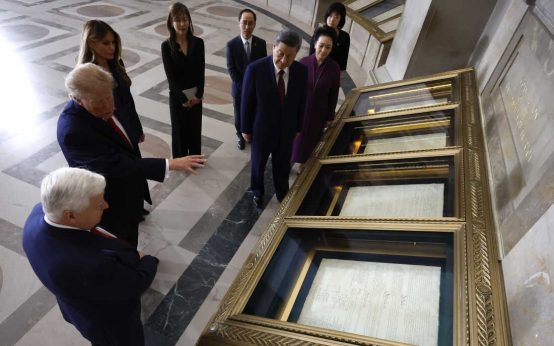 Diplomatic Complexities Unfold at U.S. National Archives Visit