Guatemala is taking urgent steps to safeguard 60,000 testimonies from victims of the internal armed conflict between 1960 and 1996. These testimonies are filed in documents from those seeking reparations for abuses suffered during the conflict. This effort is critical before the term of progressive leader Bernardo Arévalo ends in January 2028.
The testimonies were collected over a decade by the National Reparations Program (PNR), initiated in 2003 following the Peace Accords of 1996. The aim was to provide reparations, both through projects and financially, to the victims. However, during the presidencies of Jimmy Morales (2016-2020) and Alejandro Giammattei (2020-2024), the program was immobilized, neglected, and ordered to be dissolved without safeguarding the testimonies documented.
Workers attempting to salvage the archive have found ‘wet boxes, stacked together, incomplete, torn documents,’ said Erick Briones, an archive assistant.
A project funded by UNESCO is helping recover the PNR archive, with plans to designate it as world documentary heritage. This would ensure its protection and accessibility for those interested in understanding the history of this Central American nation during that time.
One archive includes the file of Manuel Botom Uz, among more than 100 records of disappeared children. His family recounted that in 1982, he was just four years old when he was disappeared. His testimony states that he and his four siblings, all minors, were attacked in their communities in Quiché by military forces and civil defense patrols conducting surveillance for the army.
The file reveals that his siblings were delivered to relatives while Manuel disappeared. Two decades later, his body was discovered and identified in a clandestine grave. After exhumation, his family reburied him properly.
Elvin Díaz, Presidential Commissioner for Human Rights, affirmed the necessity to recover and safeguard the memory and testimonies of victims as they form the ‘living memory’ of the country.
Díaz emphasized that, while the end goal of the PNR was humanitarian aid and reparations, it holds significant information for penal investigations.
Stored in blue plastic containers, organized by department, thousands of testimonies recount extrajudicial executions, murders, sexual abuses, forced disappearances, and enforced recruitment during the conflict between the army and guerrilla groups. Reports indicate the conflict resulted in 200,000 deaths and approximately 45,000 disappearances.
Looking ahead, the project plans to digitalize the archive for universal access. According to preliminary observations from the United Nations Working Group on Enforced or Involuntary Disappearances, which visited Guatemala recently, there was a systematic policy of dismantling institutions for peace and justice, particularly under Morales and Giammattei.
These documents will become part of the Plan for Reparations and Dignification of Conflict Victims, recently announced by President Arévalo. The plan aims to consolidate and centralize dispersed information held by public institutions and civil society organizations to continue reparating victims. Additionally, disappearances during the conflict will be incorporated into the Humanitarian Search Mechanism for missing persons in Guatemala’s internal armed conflict.
 The Trump Team’s Challenge to the Military Leadership
  Maryland First State to Restrict Electronic Pricing in Grocery Stores
  British Police Arrest Man Suspected of Terror Plot
 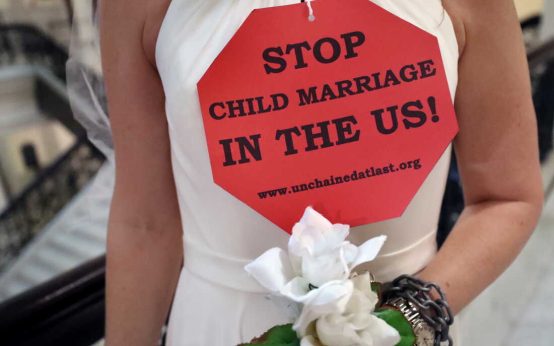 Activists Push for Nationwide Ban on Child Marriage in the U.S.
  Democratic Hopes and Historical Warnings in 2026 Senate Race
  Republicans Face Challenges Amidst Cost of Living Concerns