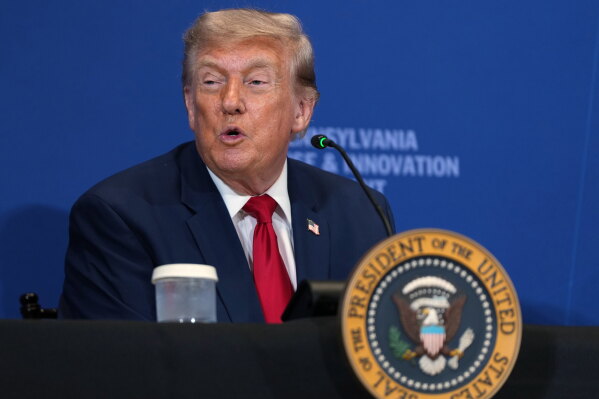
President Donald Trump dismissed the newly appointed top U.S. prosecutor in Seattle on Wednesday morning, shortly after federal judges in the district appointed him. This incident has brought to light the ongoing tensions between the judiciary and the president over these influential roles.
Roger Rogoff, who has a background as a judge and a veteran state and federal prosecutor, was sworn in as the U.S. Attorney at the federal courthouse in downtown Seattle. Speaking in a phone interview, Rogoff revealed that he went to meet Charles Neil Floyd at the U.S. Attorney’s Office. Floyd had previously held the interim position until February. While waiting, Rogoff received an email from the Trump administration informing him of his immediate removal.
Rogoff is considering legal action against his firing and is consulting with other lawyers. Normally, U.S. Attorneys are appointed by the president and require Senate confirmation, unless it’s a temporary position. When interim appointments lapse without a confirmed nominee, district judges can appoint a U.S. Attorney instead.
Under Trump, the Justice Department has been known to keep unconfirmed prosecutors in their roles indefinitely through unconventional personnel moves. Acting U.S. Attorney General Todd Blanche stated in his social media post, “District court judges can appoint a temporary U.S. Attorney, and POTUS can fire them.” He criticized the judges for bypassing the traditional consultation process with the administration.
Trump had initially appointed Charles Neil Floyd, who had served as an immigration judge, last October. However, Floyd’s nomination was never sent to the Senate. When his interim term concluded, the administration re-designated him as first assistant, leaving the top position unfilled. This tactic has also been attempted in other districts.
A recent U.S. appeals court panel raised doubts over the legality of these maneuverings. In response, federal judges in Seattle initiated a process to select a permanent U.S. Attorney, leading to the unanimous selection of Rogoff by 17 judges from various administrations.
Democratic Senator Patty Murray of Washington criticized Rogers’ swift dismissal, highlighting his dedication to public service and the legal basis of his appointment by Western District judges. Murray accused the Trump administration of overlooking proper procedures to place politically motivated figures in key roles.
In a similar case, Alina Habba resigned as New Jersey’s top federal prosecutor after a court ruled her appointment was unlawful. Lindsey Halligan, another acting U.S. Attorney in Virginia, left her position following a similar legal determination.
Rogoff’s career includes 20 years as a state prosecutor and six years at the federal level before becoming a state judge. He was aware that his appointment might lead to an immediate dismissal, though he showed readiness to face the situation. He expressed pride in his career and gratitude towards the judges who appointed him, stating, “Being U.S. Attorney is the best job there is for a prosecutor.”
 The Trump Team’s Challenge to the Military Leadership
  Maryland First State to Restrict Electronic Pricing in Grocery Stores
  Activists Push for Nationwide Ban on Child Marriage in the U.S.
  Democratic Hopes and Historical Warnings in 2026 Senate Race
  Republicans Face Challenges Amidst Cost of Living Concerns
  A Different Kind of Fall for Congress This Year