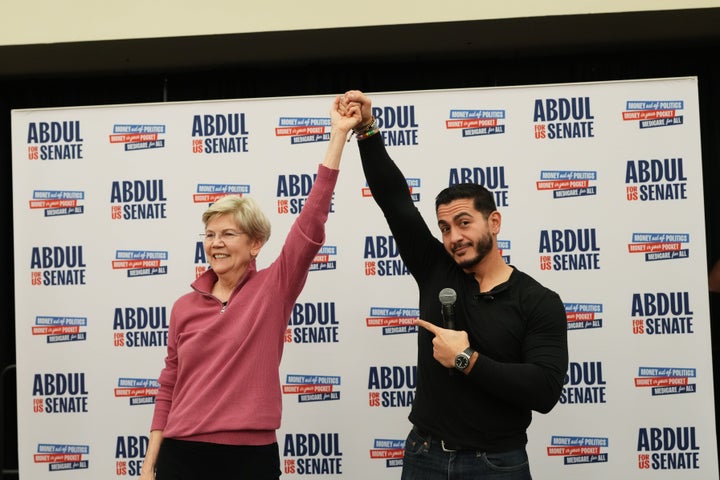
In a significant shift following the recent midterm elections, Democrats have gained control of both the House and Senate. Progressives convened in Washington, focusing on grabbing the Democratic Party’s center, a move not possible for some time.
Senator Elizabeth Warren emphasized the Democrats’ victories in key races. She pointed to places like Texas, Kansas, and South Carolina, where Democrats succeeded by addressing economic struggles, condemning Washington corruption, and pledging systemic change.
Many winning Democratic candidates used economic populism in their campaigns. This strategy targeted Washington’s corruption and the influence of billionaires at the expense of the broader population.
“Economic populism is now the dominant campaign position in the party,” said Lindsay Owens, president of Groundwork Collaborative.
Senator-elect Abdul El-Sayed from Michigan highlights this shift. Voters are reportedly more concerned with who holds power, rather than ideological categories. Leah Greenberg of Indivisible stated there is a desire to see an unrigged system.
Post-election, the Democrats’ mission is profound change. “Will they govern like economic populists?” Owens asked at the Popular Mandate conference.
Warren argues that Democrats must deliver for working people immediately, even while President Donald Trump is in office. According to Owens, past divided governments have enacted significant laws, like the Voting Rights Act of 1982.
Elizabeth Wilkins of Roosevelt Forward suggests legislation should target economic relief and Trump’s potential vetoes to highlight their contrasts with his policies.
Efforts should commence immediately. Owens proposed holding out on a continuing resolution to end funding for the Iran conflict, repeal Trump’s tariffs, and redirect immigration enforcement funds for Medicaid.
Democrats must aim for immediate legislative wins using reconciliation or bipartisan support. Brian Fallon, a Democratic strategist, suggests they might need to break the filibuster to force Trump into vetoing popular measures.
Oversight and accountability remain pivotal. Rep. Jamie Raskin urges focusing on how Trump’s corruption affects American lives, through investigating antitrust processes and other corporate-government interactions.
Fallon believes targeted investigations might lessen consumer costs if conducted correctly, citing the Moderna vaccine pricing issue under legislative scrutiny as an example.
State governments under Democratic control can also make significant strides. Elizabeth Wilkins draws parallels to Franklin Roosevelt’s New York reforms during the 1930s.
The Popular Mandate coalition emphasizes the importance of seizing victory as a mandate. They stress that any failure to meet voter expectations would be a serious error.
Note: Elizabeth Wilkins serves as president of Roosevelt Forward, affiliated with the Roosevelt Institute.
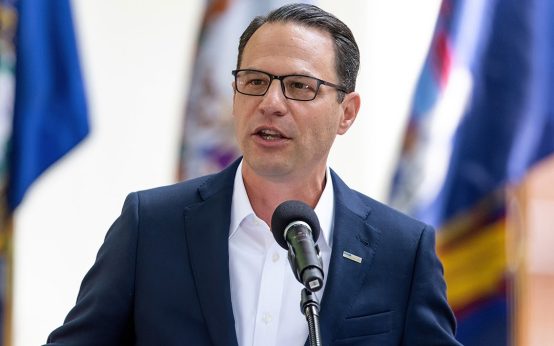 Texas Governor-elect Expanding Abortion Exceptions and Pennsylvania’s Abortion Rights Debate
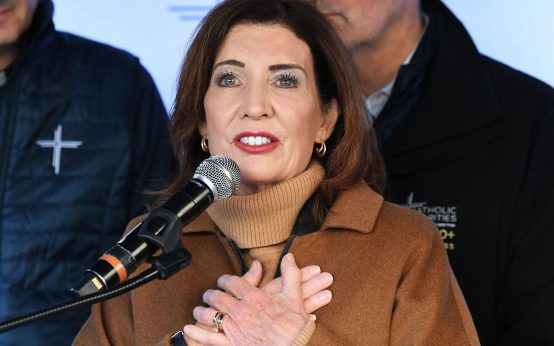 Gov. Hochul’s Upcoming Battle Against New York’s Trial Lawyers
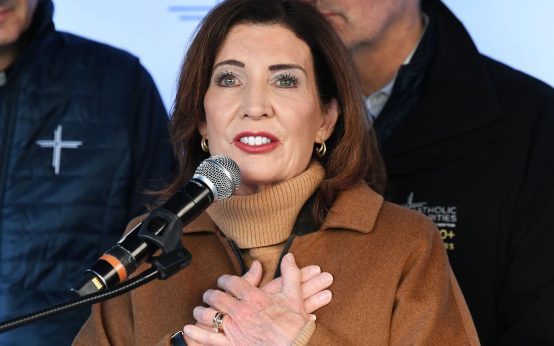 Governor Hochul’s Strategy to Enhance New York’s Affordability
 States Challenge Immigrant Enforcement Amidst Legal Battles
 The Rule of Law and the Fall of the Roman Republic
 Latest Developments in Politics, Technology, and Economy