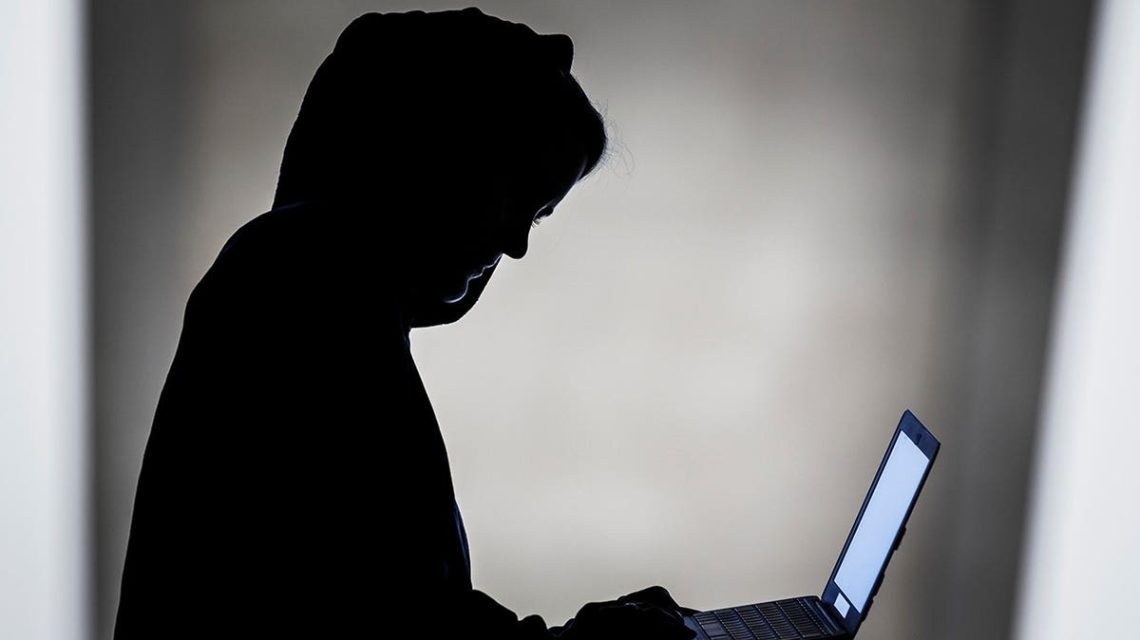
Cybercrime inflicted losses approaching $21 billion last year, sparking warnings from Kurt Knutsson about more sophisticated AI scams. Speaking on ‘Fox & Friends Weekend,’ he dissected FBI data, noting that investment fraud alone cost victims $8.65 billion. Knutsson offers a free class to help families protect their finances and secure accounts.
If you’re curious about the potential damage a scammer can cause with your name, phone number, and address, the answer is significant. While these details alone typically won’t drain your bank account or steal your identity, they provide a credible starting point for scammers.
This seemingly basic information is invaluable to criminals aiming to trick you into revealing more sensitive data. Here’s what scammers can do with those details, the warning signs to watch for, and measures you can take to protect yourself.
Why Basic Personal Information Is Valuable
Your name, phone number, and address often appear in public records, old directories, or data broker databases, which may lead you to underestimate the risk. The danger arises when these details are combined.
Scammers may augment this information with data from breaches, social media, or previous phishing attempts. They can pretend to be your bank, utility company, or another trusted entity to sound convincing.
Data brokers can collect further details like past addresses and phone numbers. Scammers use these to craft more complete profiles before reaching out.
Potential Uses of Your Information
- Create convincing phishing or scam calls: Pretend to represent your bank or utility.
- Send targeted scams to your home: Fake invoices, prize notices, checks.
- Attempt a SIM-swap: Gain control of your phone number.
- Combine with data from other breaches: Create a fuller identity profile.
- Impersonate you or family member: Strengthen fake emergency calls.
- Test account-recovery systems: Use known details to bypass security.
Limitations of Basic Details
Your name, phone number, and address typically won’t give access to your bank account. However, scammers can use this information to trick you into sharing critical details like passwords or Social Security numbers.
Warning Signs
- Unexpected calls or texts mentioning personal details.
- Unsolicited bills, prize notices, or unexpected mail.
- Sudden loss of cellular service.
- Unrequested password-reset messages or verification codes.
- Family members receiving strange messages claiming to be you.
- Unfamiliar activity on credit reports or financial accounts.
Steps to Protect Yourself
- Check what information is online and request removal from data brokers.
- Strengthen your mobile account security with PINs and other protections.
- Use verified contact methods to confirm unexpected requests.
- Enable two-factor authentication on crucial accounts.
- Establish a family verification word for emergencies.
- Guard against confirming details during suspicious calls.
- Monitor your credit and financial accounts regularly.
Identity Theft Protection
An identity theft protection service can alert you to potential misuse of your information. It offers benefits like identity monitoring, financial alerts, and data broker removal.
What to Do if Information Is Misused
- Stop interacting with suspicious contacts.
- Secure your mobile account immediately if you lose cellular service.
- Change compromised passwords and review sign-ins.
- Warn family members if impersonation is suspected.
- Report identity theft on official websites for personalized support.
- Report scam attempts to authorities.
Keep a vigilant eye on requests for sensitive information. Scammers prey on urgency, so maintain control over your responses.
For more tips and security alerts, visit CyberGuy.com and consider signing up for the CyberGuy newsletter.
 Utilizing AI Agents for Simplified Daily Tasks
  Concerns Over Russia’s Biological Weapons Program
  Challenges and Opportunities in Data Center Development
  Police Take Down Teenage-Led Ransomware Group KillSec
  Concerns Arise Over ChatGPT for Teens
  Former OpenAI Researchers Challenge Dismissals