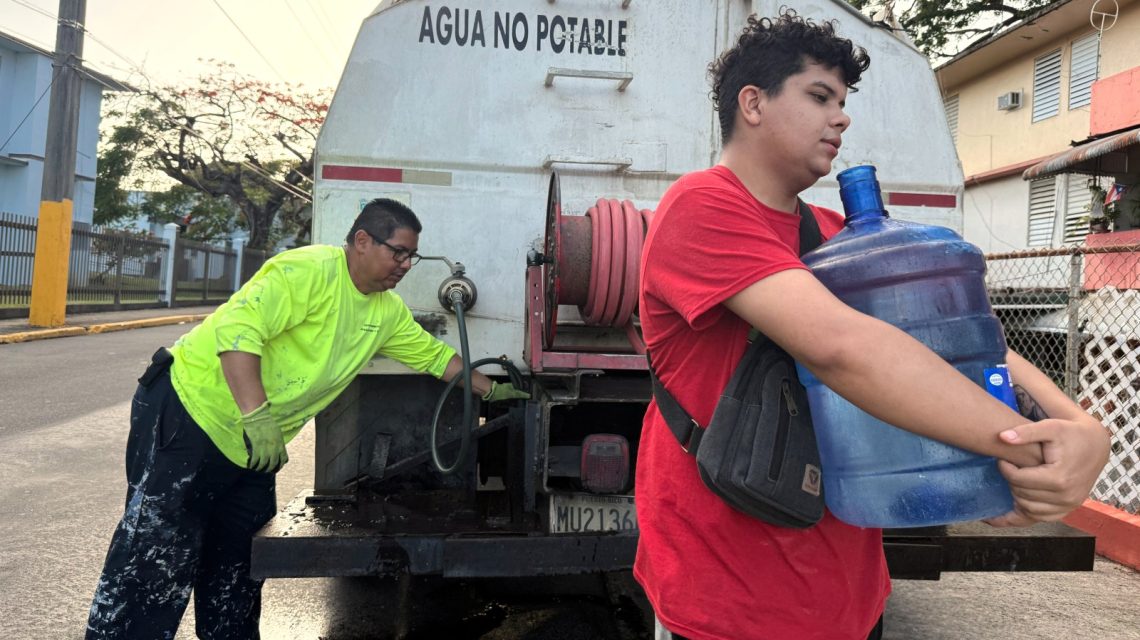
48-Hour Water Rationing Affects Thousands
Puerto Rico has initiated a 48-hour water-rationing cycle impacting over 180,000 people. This comes as drought conditions reach severe levels, with reports of unreliable service persisting for more than 100 days this year in some areas.
The island’s residents face a prolonged shortage without comment from President Donald Trump. Local officials warn the emergency might extend for weeks or months, affecting millions of U.S. citizens living in a system weakened by years of neglect.
The Carraízo reservoir’s levels have dropped critically, according to the island’s water authority, causing shutdowns across seven municipalities. Residents, however, note outages started well before the drought, indicating deeper infrastructure issues.
Tourism Sector Coordination Amid Broader Crisis
CTPR Executive Director Willianette Robles Cancel highlighted efforts to maintain tourism operations through collaboration with Puerto Rico Aqueduct and Sewer Authority (PRASA) and central government.
Despite these measures, frustration builds over federal inaction as the broader crisis impacts more than just tourism.
Lack of Federal Response
Despite Puerto Rico housing over 3 million U.S. citizens, the Trump administration remains silent about the worsening shortages. This silence persists as Puerto Rico experiences one of its worst droughts in recent history. San Juan’s July was its driest month in over 120 years, with NOAA projecting continued low rainfall and high temperatures.
With roughly 68% of Puerto Rico in drought, severe conditions concentrate in the interior and north, as the U.S. Drought Monitor indicates. Governor Jenniffer González expressed uncertainty about the duration of rationing, acknowledging the situation is beyond their control.
Persistent Service Failures
Residents claim the crisis stems from years of neglect at both territorial and federal levels. In San Juan neighborhoods alone, tracking indicates over 118 days of unreliable service this year.
PRASA argues rationing is to equitably distribute water, yet communities have experienced outages since mid-June, before drought intensified.
San Juan’s mayor has sued PRASA over chronic unrelated shortages, urging residents to boil water once service resumes—a sign of contamination.
Water resilience specialist Kevin Gast notes the crisis highlights broader national infrastructure problems.
Federal Absence Amid Intensifying Crisis
Previous rationing periods occurred in 2015 and 2020, but experts cite the current emergency as broader and more destabilizing. Extreme heat, historic drought, and neglected infrastructure contribute to the crisis, which demands immediate federal attention.
In its absence, hospitals rely on tanker trucks and businesses incur significant costs to remain operational.
Impact on Small Businesses
Small businesses in Old San Juan struggle under mounting costs. Some are forced to close during rationing due to safety concerns, while others spend significant daily amounts on private tanker services.
A business owner revealed spending $300 to $500 daily to stay open. Travel blogger Bianca Alba described widespread strain; businesses lose income and face challenges paying employees and covering expenses.
Supermarket lines for bottled water grow, with supplies depleting rapidly.
Alba remarks on consumer behavior: “People stock up on water whenever they can. Scarcity mindset is palpable”.
Daily Life Disruptions
Families in Puerto Rico endure significant disruptions. Vanessa Toro shared her experience, stating difficulties finding open laundromats and witnessing bulk purchasing of water.
Toro recounted supermarkets flooding with buyers before school dismissals—a sign of urgent need and fear of inadequate access.
Drought and Infrastructure Failures
NWS reports rainfall since June 1 has been over 9 inches below normal. Meteorologist María Novoa García forecasts 50% below average rainfall in upcoming weeks, with El Niño intensifying.
PRASA President Luis González Delgado assured prioritization of hospitals and elder-care facilities but acknowledged infrastructure’s underinvestment.
Long-Term Risks Persist
The crisis reflects deeper structural issues—aging infrastructure and underinvestment exacerbate vulnerabilities.
Local scientists warn large development projects could worsen conditions, affecting water stress and ecosystems.
Alba urges consideration: “Water should be reliable—for residents, visitors, and business owners alike”.
 Cargo Plane Crash at Miami International Airport
  Marine Veteran Suing Oregon School District Over Curriculum Reimbursement
 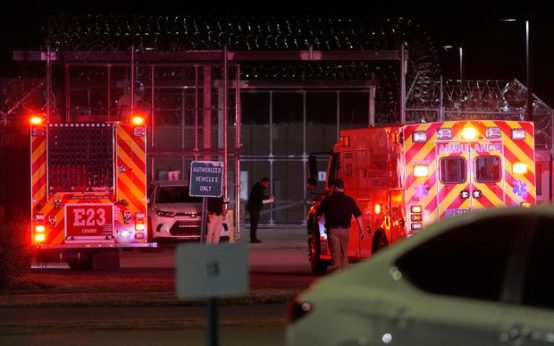 Tennessee Execution Halted as Issues Persist with Lethal Injection Protocol
 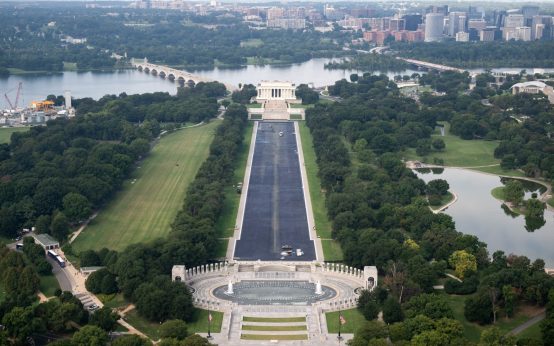 Judge Dismisses Case Against Former Olympian Over Lincoln Memorial Incident
 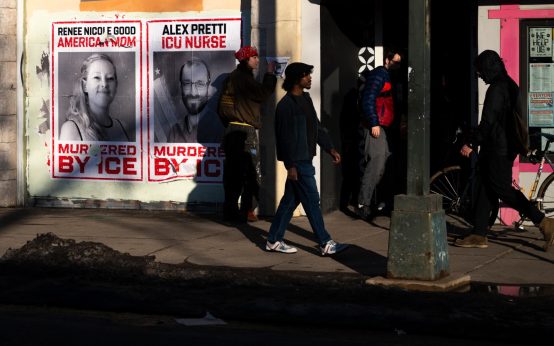 Minnesota Family Files Civil Rights Lawsuit Over ICE Agent Shooting
  California Bans Child Marriage, Protecting Minors