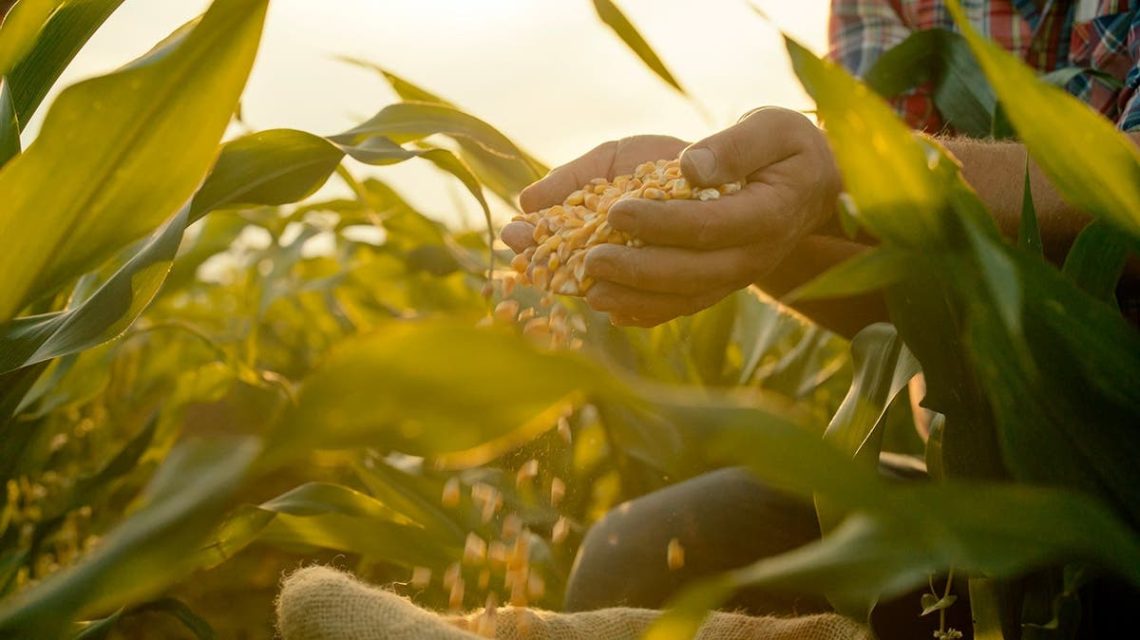
Many American dietary habits from colonial times have regained popularity recently. Early settlers consumed minimally processed, locally sourced foods, often incorporating organ meats into meals. Livestock and numerous Old World crops were introduced to North America by European explorers long before the nation’s founding.
According to the Center for the Study of the Presidency and Congress (CSPC), early settlers adapted European culinary traditions using available North American ingredients. Indigenous peoples introduced corn to colonists, becoming a staple in many recipes. Other crops such as beans, squash, and potatoes also became integral to colonial cooking.
Cornmeal appeared in dishes such as hasty pudding — a thick porridge similar to polenta — and johnnycakes, simple griddle cakes popular from New England to the South,reported History Facts.
The CSPC website features recipes for early American foods like cornmeal johnnycakes, roast pork, and cream cheese. Corn, introduced and cultivated by Indigenous peoples, became a cornerstone of colonists’ diets.
Regional customs and crops significantly shaped colonial diets. In the South, rice and okra were abundant. French and African culinary influences were notable. Northern areas, settled by Dutch, English, and German immigrants, developed distinct culinary traditions. In early Maryland, seafood like rockfish and crab was prevalent, according to NPR.
Meat held symbolic status, said local food historian Joyce White to NPR. Beef was especially valued, while chickens were typically reserved for egg production. White noted, If it’s your pig or cow coming from your plantation, you don’t want to waste it.
Thomas Jefferson was noted for his indulgence in French wine and macaroni and cheese. His diet included black-eyed peas, turnip greens, and ham, as documented by NPR. Working-class diets relied on salted and preserved meats, while wealthier individuals had access to white flour and sugar.
Today, there is renewed interest in these traditional foods as some Americans pursue diets focusing on whole, minimally processed ingredients. The Make America Healthy Again movement, for instance, promotes the consumption of organ meats, recognizing them as affordable and nutrient-rich.
Alcohol consumption among colonists was high. Adrian Miller, author of “The President’s Kitchen Cabinet,” confirmed this to NPR. Colonists openly acknowledged their alcohol intake. George Washington, during his time as a young colonel, recorded a recipe for “small beer” in his journal. Held by the New York Public Library, the journal notes that “small beer” contained low alcohol levels, was quick to produce, and was safer than untreated water.
Registered dietitian Lisa R. Young from New York University advised a moderate approach to the colonial diet. She emphasized whole foods, home cooking, and reducing ultra-processed foods. Young highlighted the richness of organ meats but cautioned regarding their cholesterol content.
Young suggested focusing on healthy elements of the 1776 diet, such as fruits, vegetables, beans, whole grains, fish, and lean proteins. On celebrating historical anniversaries, she advised against strictly imitating the Founding Fathers’ diet, pointing out that daily or weekly consumption bears little long-term impact.
Teresa Mull, a freelance writer with Fox News Digital’s Lifestyle team, notes the value of historical dietary insights for contemporary health discussions.
 Embrace Failure: Turning Setbacks into Success
  Unusual In-Flight Behavior Leaves Passengers Stunned
  Choosing the Perfect Ugg Boots for Comfort and Style
  Understanding Food Safety: Tips for Preserving Groceries
  Royal Caribbean Cancels Costa Maya Stop, Divides Passenger Opinions
  Triton College Hosts Trunk-or-Treat in Space Event