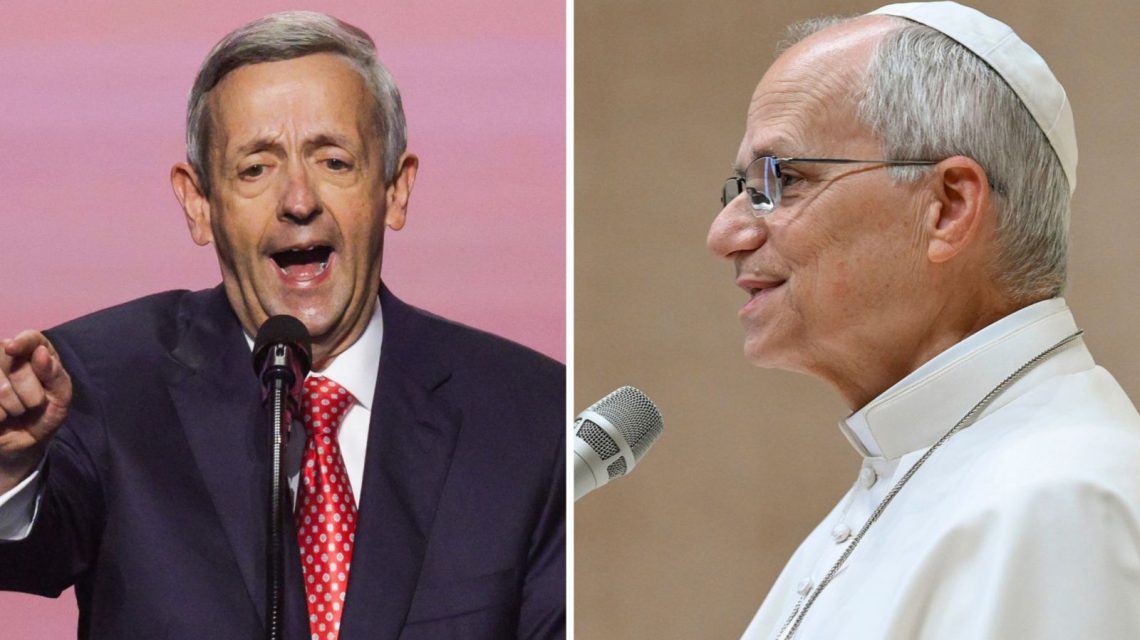
On Monday, Archbishop Timothy Broglio condemned the Pentagon’s proposal to publicly livestream the execution of Nidal Hasan, the Fort Hood shooter. Despite opposition from Catholic leaders, some Christians support public execution, citing biblical roots.
Religious Opposition
The clash reveals deep religious divisions regarding Hasan’s execution scheduled for December. Archbishop Broglio, representing the Catholic Church, issued a strong condemnation of the livestream proposal. He questioned the morality of mimicking terrorist practices by publicly executing a criminal.
Broglio criticized the impact on military personnel tasked with the execution and encouraged Catholic members of the firing squad to seek exemption. Pope Leo and other Catholic leaders have similarly opposed capital punishment. They argue that the death penalty undermines personal dignity.
“The crime committed by Nidal Malik Hasan was heinous, but does exposing the public to his execution serve a purpose?” Broglio asked.
Archbishop Paul Coakley labeled the proposal a “barbaric promotion of a culture of death,” urging for reconsideration. Catholic consensus reflects concerns over exacerbating trauma for Fort Hood survivors.
Leslie Rodriguez from the Texas Catholic Conference of Bishops noted unity among bishops in opposing the public execution.
Biblical Arguments for Public Execution
Despite the Catholic Church’s stance, other Christians like Dallas Pastor Robert Jeffress argue for public executions based on biblical teachings. Jeffress cites Genesis 9:6, advocating that public executions emphasize life’s sanctity.
Andrew Walker from The Southern Baptist Theological Seminary supports public execution as a deterrent, referencing Old Testament practices for societal lessons.
Josh Howerton of Lakepointe Church disagrees with the Pope’s stance, backing public execution through biblical teachings.
William Wolfe from the Center for Baptist Leadership expresses support, believing it could teach society the consequences of evil acts.
Pastor Rich Bitterman offers a balanced view, acknowledging biblical support for the death penalty while cautioning against turning it into entertainment.
Political Implications
The religious divide mirrors political disagreements. President Trump initially approved the proposal but later reconsidered. Vice President JD Vance expressed skepticism about the livestream occurring.
Republicans split on the issue. Senator Thom Tillis and Senator John Curtis voiced opposition to the livestream, warning against making executions a form of entertainment.
Relatives of Fort Hood victims argue against the spectacle, favoring accountability over public display.
Death penalty experts question the proposal’s precedent. Austin Sarat from Amherst College warns against creating “a spectacle of cruelty.”
As Hasan’s execution approaches, debate intensifies over whether livestreaming serves justice or diminishes ethical standards.
 Federal Judge Blocks Ban on Journalists at the White House
  Trump’s Visit to Alaska Boosts Sullivan and Wilson’s Campaigns
  Iowa Senate Debate: Key Issues and Predictions
  Mayor Mamdani Addresses Calls to Remove NYPD Commissioner Tisch
  Trump Pardons Alaska Diesel Mechanics During Rally
  Key Highlights and Exchanges from the Los Angeles Mayoral Debate