
Renaming geographical locations in the United States often involves intricate politics and bureaucratic processes. A recent example involves the renaming of Lake Ontario to Lake America by President Donald Trump.
The Executive Order
On August 27, 2026, President Trump issued an executive order to change the name of Lake Ontario to Lake America. This decision highlights the involvement of the federal government in geographical renaming.
Notification and Compliance
The process of renaming places typically requires notifications to various stakeholders. In the case of Lake Ontario, the administration alleged that they had informed all necessary parties. These parties usually include federal and state agencies, local authorities, and potentially affected communities.
Implications of Renaming
Changes to place names can have widespread implications. They affect maps, legal documents, and local communities. Renaming can also have cultural and political connotations, reflecting the power of naming in shaping identity and history.
Public and Expert Analysis
Experts, such as geographers, often analyze these changes to understand their broader impact. Organizations like The Conversation provide analysis and insights from researchers, helping the public understand the complexities involved.
 Becerra and Hilton Clash in California Gubernatorial Debate
  California Voters to Decide on $7.5 Billion State Research Fund
 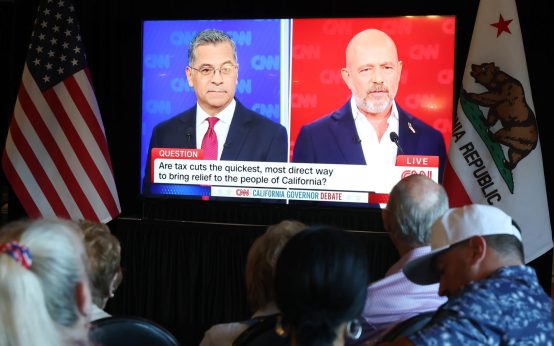 Highlights from the California Gubernatorial Debate: Becerra vs. Hilton
 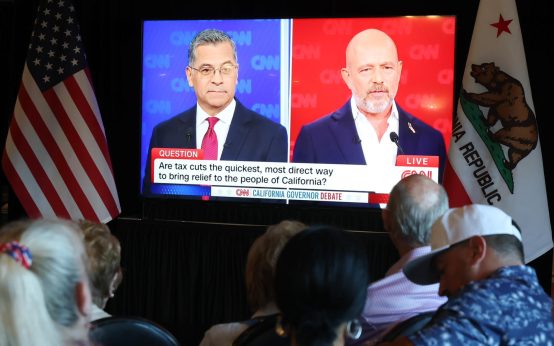 Becerra vs. Hilton: The Debate and Key Issues in the California Governor Race
  Senate Confirms New Labor Secretary
 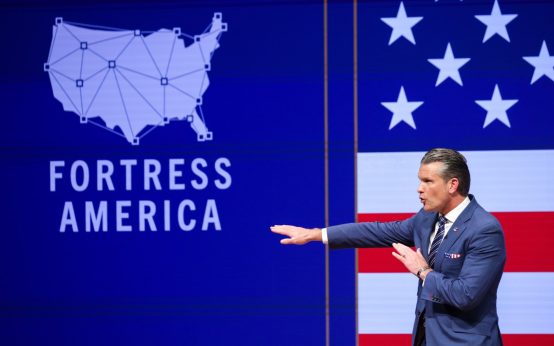 Hegseth’s Ambitious Military Initiatives to Reshape Warfare