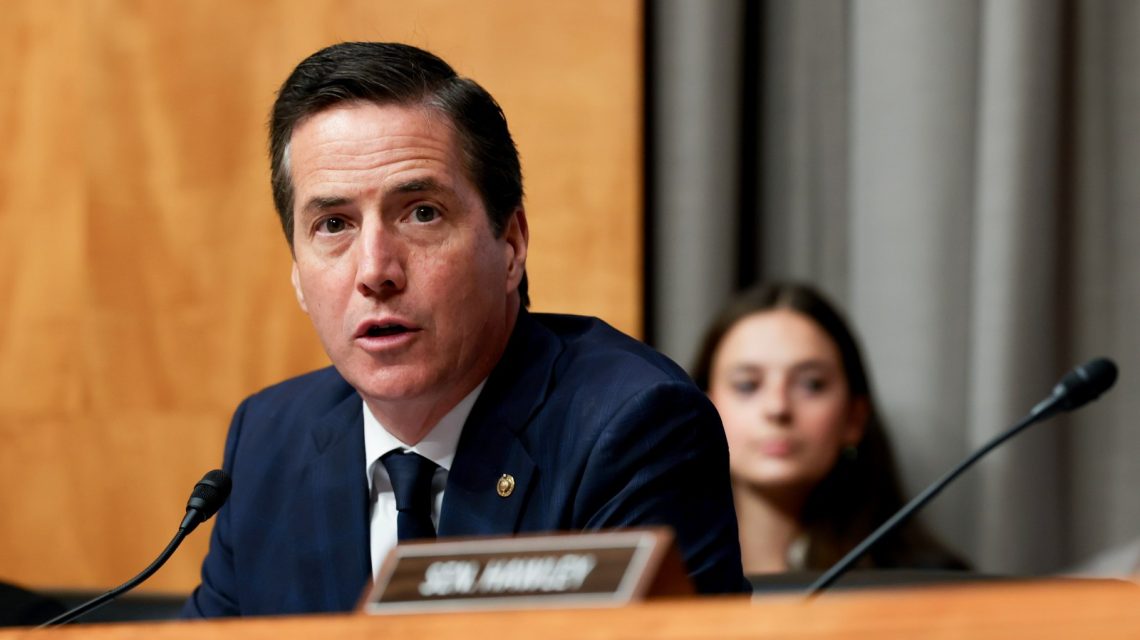
Republicans Consider Tax Increase for Social Security Stability
More Republicans are now open to raising taxes on higher income earners to bolster Social Security. This marks a shift from traditional GOP opposition to tax hikes. Lawmakers are facing pressure to address Social Security’s financial challenges. Projections show the Social Security trust funds may deplete by the early 2030s, risking automatic benefit cuts without Congressional action.
“Reality is setting in, and retirees don’t want their benefits cut. The working public will likely have to shoulder more of the burden at a time when many are already dealing with higher prices, education costs, and an overall higher cost of living,” said Kevin Thompson, CEO of 9i Capital Group.
Significance of Social Security
Social Security provides retirement, survivor, and disability benefits to many Americans. It remains the primary income source for numerous retirees. The political implications are significant. Historically, Republicans have opposed tax increases, while Democrats support raising taxes on wealthier individuals to strengthen Social Security.
Bipartisan support for new revenue options could transform congressional discussions on the program’s future.
Recent Developments
Republican lawmakers have shown willingness to increase the income subject to Social Security payroll taxes. Presently, Social Security taxes only apply to earnings up to a yearly limit, which is $184,500 for 2026. Senator Bernie Moreno of Ohio joined Senator Elizabeth Warren of Massachusetts in backing a proposal to raise or lift this cap. This measure requires higher-income workers to pay taxes on a larger portion of their earnings.
Moreno and Warren argue wealthy Americans should contribute the same percentage of their income as lower-wage workers.
Representative Tom Cole also suggests considering additional payroll tax revenue to tackle the program’s financial issues.
Demographic Shifts Impacting Social Security
Changes in demographics are responsible for Social Security’s financial problems. Payroll tax collections exceeded benefit payments for years, allowing reserve accumulation. However, the retirement of baby boomers, longer life expectancies, and lower birth rates changed the ratio of workers paying taxes to beneficiaries receiving payments.
“Some Republicans considering higher taxes for Social Security reflects the urgency Congress faces in avoiding substantial benefit reductions,” noted Alex Beene, a financial literacy instructor.
Trustee projections indicate the retirement fund might exhaust by 2032 if Congress does not intervene. Payroll taxes collected would not fully fund scheduled benefits, leading to automatic reductions of over 20% when reserves deplete.
Discussing Tax Increase Proposals
Raising or eliminating the payroll tax cap is a primary proposal. Currently, workers and employers pay a 6.2% Social Security payroll tax on wages up to the cap. Higher earners contribute less relative to their total income.
Moreno and Warren propose taxing all wages of higher earners to gather significant revenue without benefit cuts. Critics worry about potential negative effects on investment and job growth.
Thompson believes many Republicans may support tax hikes as Social Security’s financial deadline looms, preferring higher taxation to benefit cuts.
Alternative Solutions
- Raise the Social Security payroll tax rate.
- Increase the retirement age.
- Reduce benefits for higher-income retirees.
- Change benefit formulas.
- Expand taxation of Social Security benefits.
- Combine tax hikes with spending reductions.
Experts anticipate a combination of reforms will be necessary rather than a single change. Raising the payroll-tax cap challenges the Republican stance on not raising taxes, but some GOP members show openness to new revenue ideas to sustain Social Security.
Policymakers could broaden the payroll tax base by taxing untaxed compensation forms, such as employer-sponsored health insurance.
Future Outlook
Growing bipartisan interest in increasing payroll tax revenue might influence upcoming debates on Social Security reform. However, any legislative action will remain politically complex. Parties face the task of safeguarding benefits while steering clear of unpopular measures.
“Higher taxes historically offer a politically easier solution compared to cutting benefits,” Thompson states, predicting higher taxation may be imperative for closing the gap.
 Becerra and Hilton Clash in California Gubernatorial Debate
  California Voters to Decide on $7.5 Billion State Research Fund
 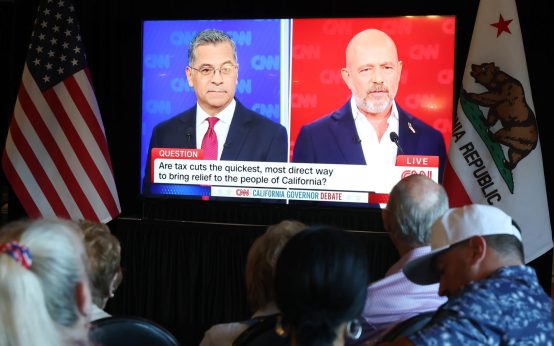 Highlights from the California Gubernatorial Debate: Becerra vs. Hilton
 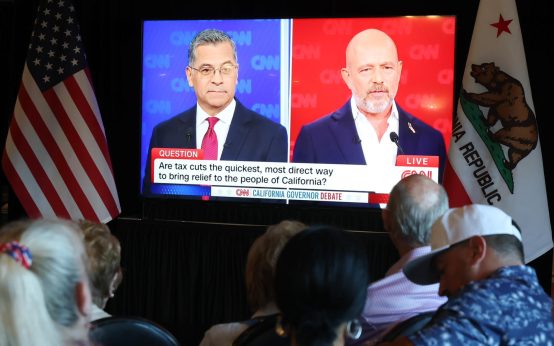 Becerra vs. Hilton: The Debate and Key Issues in the California Governor Race
  Senate Confirms New Labor Secretary
 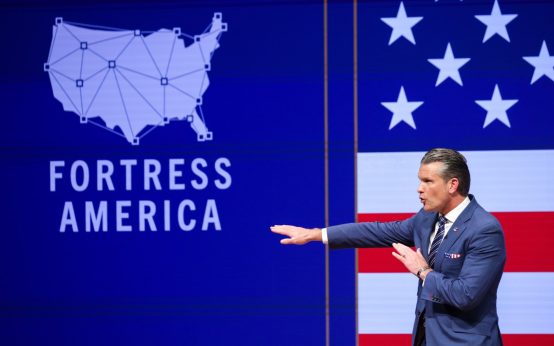 Hegseth’s Ambitious Military Initiatives to Reshape Warfare