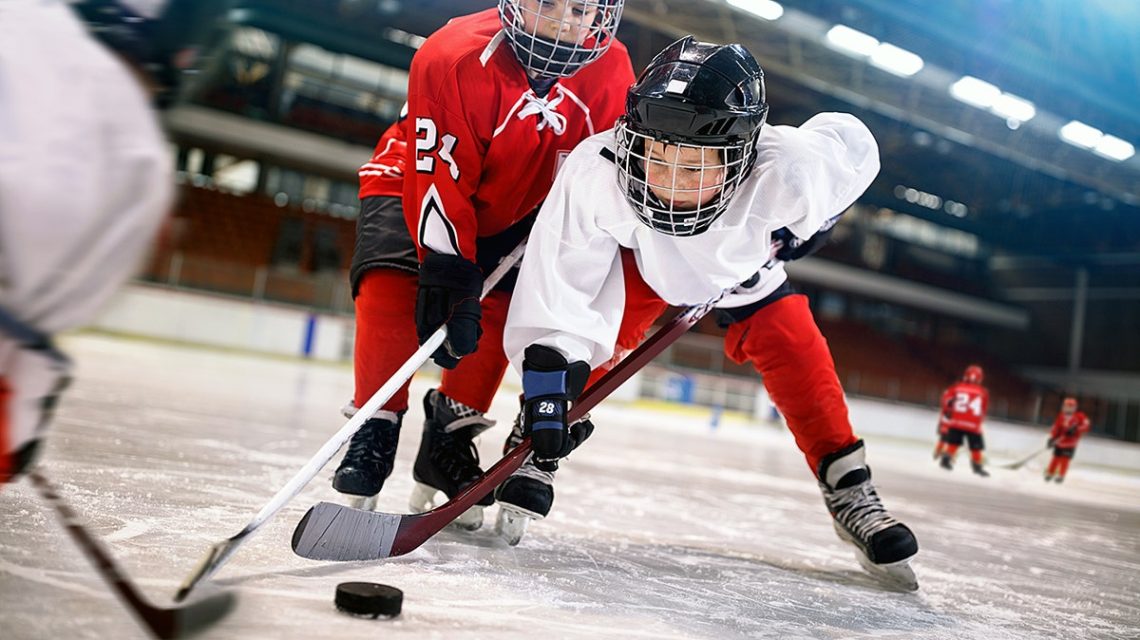
Parents across the country are diving into the fall youth sports season, filling their children’s schedules with practices, private lessons, and travel tournaments. Their intentions are good, as they aim to provide every chance for success in sports.
However, there’s a growing concern that some parents overlook the true purpose of youth sports. They risk exposing kids to injuries and burnout that can affect their long-term health.
The American Academy of Pediatrics has emphasized the value of adequate recess time for kids, highlighting the ‘very powerful benefit’ it provides.
As someone who has spent years in sports medicine and has worked with professional teams, I see a troubling pattern. The American approach to youth sports can lead to early burnout and a higher risk of injuries.
Many parents and coaches view youth sports as a stepping stone to fame, scholarships, or professional careers. This perspective pushes children to engage intensely in sports, disregarding their developmental needs.
Children are not small adults. Their physical structures and coordination patterns are still developing and require tailored training and recovery plans. During puberty, growth spurts can impact their strength and coordination, making them vulnerable to repetitive stress injuries.
Unfortunately, adults often increase the pressure with more games and practice while reducing recovery time. This results in injuries such as ACL tears, particularly common in young female soccer players. About 1% of these athletes sustain an ACL injury each season. The cumulative risk increases substantially for those playing year-round over several years.
Such injuries not only shorten athletic careers but may lead to early arthritis and long-term health issues, limiting activities in later life. Recognizing the lifelong benefits of physical activity, it’s clear that jeopardizing a child’s long-term health for early achievements is short-sighted.
Burnout also impacts a child’s lifelong engagement with sports. When sports cease to be enjoyable, children often associate physical activity with stress and may never regain the pleasure of being active.
Some countries, like Norway, have implemented different strategies for youth sports. Their philosophy encourages participation in multiple sports and competition close to home, fostering development at an individual’s pace. This approach has yielded successful athletes and sustained participation into adulthood.
In contrast, many children in the U.S. quit sports before middle school due to a lack of enjoyment. A sports system focused on enhancing lifetime participation would encourage variety and skill development before specialization. It would cater to different developmental rates and ensure adequate rest and playtime.
If some athletes pursue scholarships or professional careers, it is a fortunate outcome. But the real success metric for youth sports lies in cultivating lifelong participation and enjoyment in physical activities.
Dr. Andrew D. Pearle is the chief emeritus of the Sports Medicine Institute at the Hospital for Special Surgery.
 Dan Fouts Reflects on Violent Football Incident
  Dodgers Begin NLDS Against Braves: Key Details and Roster Decisions
  Early Detection of Atherosclerosis and Heart Disease Prevention
  High School Football Tensions Flare in Central Florida
  Indiana Fever’s Tumultuous Season and the WNBA’s Cultural Storm
  Chicagoland High School Football Teams Results in Week 7