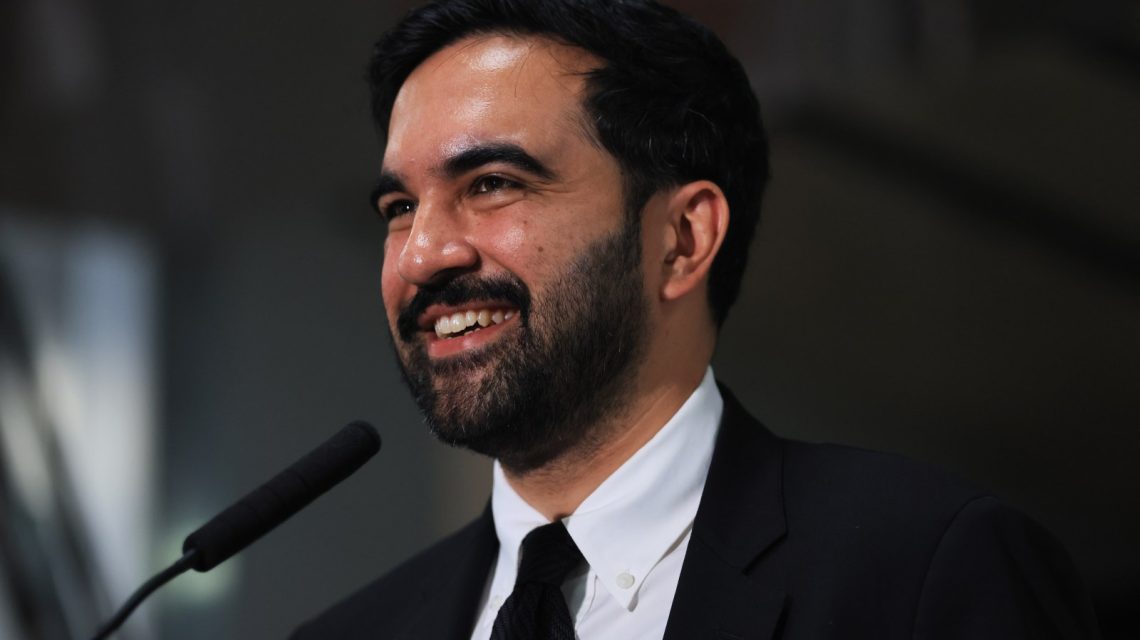
Rabbi Zalman Leib Teitelbaum, the Satmar Rebbe of Williamsburg, has condemned efforts to label Mayor Zohran Mamdani as antisemitic. This stance places Teitelbaum in opposition to Jewish organizations that accuse the mayor of increasing hostility towards Jews in New York City.
The situation highlights the complexities in treating Jewish New Yorkers as a unified political group. Satmar’s position does not endorse Mamdani’s progressive agenda. Their anti-Zionism is a religious conviction that predates Mamdani, emphasizing the importance of maintaining good relations with governing bodies. Rabbi Teitelbaum cited biblical teachings, urging Jews to seek the welfare of their city and avoid confrontations with authorities.
Mamdani’s association with Satmar stems from differing motivations compared to leftist anti-Zionists. This challenges the notion that attitudes towards Israel can predict political alliances among Jewish voters in New York.
Satmar’s Impact on Mamdani Divide
Mamdani’s Jewish supporters do not form a cohesive bloc. Satmar leaders cooperate with Mamdani despite their religious anti-Zionism, while progressive Jews might support him due to objections to Israeli policies or broader political agreements. In contrast, liberal Zionists disagree with Mamdani over Israel but may still value collaborating with City Hall.
For Satmar, the practical benefits of engaging with City Hall are significant. City decisions on housing, education, and social services affect Hasidic communities directly. During Mamdani’s campaign, Satmar leaders advocated for maintaining relations as other Orthodox voices preferred confrontation. Constituencies supporting Mamdani do so for varied, sometimes conflicting reasons.
Limits of Jewish Consensus on Israel
Satmar aligning with Mamdani does not reflect a shift in Jewish support for Israel. Their anti-Zionism is longstanding, while polls show broad American Jewish favorability towards Israel. A 2026 Pew Research survey found 64% of Jewish Americans viewed Israel positively, despite criticism of its leadership. A separate survey showed two-thirds of Jewish NYC voters felt denying Israel’s status undermines Jewish identity.
The critical issue is the political implications of these views domestically. Jewish leaders supporting Israel are divided over cooperating with Mamdani. In March, Orthodox figures met the mayor despite some viewing this as endorsing hostility towards Israel. The debate extends beyond Mamdani’s stance, encompassing political engagement, communal goals, and ideological diversity.
Shifts in Jewish Political Representation
Historically, New York mayors consulted established Jewish institutions like UJA-Federation, Jewish Community Relations Council, or the Anti-Defamation League. Mamdani’s administration challenges their indispensability. Many major organizations skipped his Jewish American Heritage Month reception, yet over 100 attendees included progressive Jewish representatives, city workers, and Orthodox willing to engage.
Mamdani’s coalition-building shows potential for alliances without traditional intermediaries. Recent discussions with rabbis from various denominations at City Hall reflect this change, emphasizing direct engagement with individual leaders. This model involves diverse Jewish groups independently rather than relying on single-entity mediation.
If major Jewish organizations continue to influence city policy despite Mamdani’s differing approach, their role as intermediaries persists. However, negotiating separately with diverse Jewish constituencies marks a shift from ideological consensus to institutional evolution. No organization may solely represent Jewish opinion in political discourse.
Rabbi Teitelbaum’s support for Mamdani doesn’t negate criticisms from other rabbis nor create consensus for Mamdani. It illustrates how Jewish consensus might be elusive; the mayor can face opposition from one group and receive support from another, with each lacking collective representation. The Satmar letter questions whether Jewish New York can be viewed as a single political entity.
 The Trump Team’s Challenge to the Military Leadership
  Maryland First State to Restrict Electronic Pricing in Grocery Stores
  Activists Push for Nationwide Ban on Child Marriage in the U.S.
  Democratic Hopes and Historical Warnings in 2026 Senate Race
  Republicans Face Challenges Amidst Cost of Living Concerns
  A Different Kind of Fall for Congress This Year