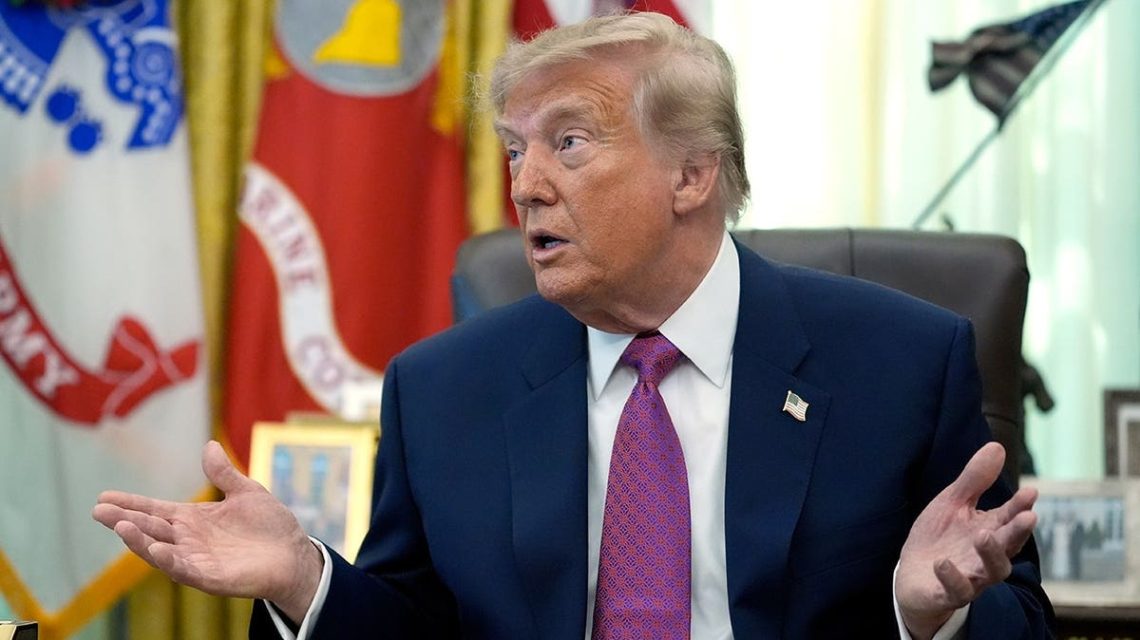
The Senate is revisiting the CLARITY Act to establish a federal regulatory framework for cryptocurrency and digital assets. Lawmakers are assessing how this may affect investors, financial markets, and the U.S. crypto industry’s future. The legislation will share oversight responsibilities between the Securities and Exchange Commission (SEC) and the Commodity Futures Trading Commission (CTFC), aiming to provide clear guidelines for digital currencies and tokens.
President Trump has been a vocal advocate for the regulation of cryptocurrency and encourages the Senate to pass the CLARITY Act. Despite bipartisan support, Democrats have raised concerns, particularly regarding ethics provisions involving Trump’s financial gains from cryptocurrency.
“We need specific rules for the Trump family and cryptocurrency,” said Sen. Adam Schiff, D-Calif.
The bill’s expanded consumer protection provisions have grown from 300 to over 600 pages, reflecting 11 months of bipartisan negotiations. Despite efforts to address ethical concerns, Sen. Elizabeth Warren, D-Mass., believes the bill aligns too closely with industry’s interests and poses risks, arguing it might facilitate illegal activities.
If the U.S. does not establish clear regulations, Sen. Cynthia Lummis, R-Wy., warns that digital assets could migrate to countries with well-established frameworks like Singapore and Switzerland.
With midterm elections approaching, passing significant financial regulations remains unlikely. Any shifts in party control in November could further impact the bill’s progress.
College Sports Regulation Efforts
A related bill focusing on intercollegiate athletics is anticipated, addressing issues like the transfer portal and eligibility rules. Lawmakers, including Sen. Ted Cruz, R-Texas, and Sen. Maria Cantwell, D-Wash., propose restrictions limiting athlete transfers to once, aiming to stabilize the collegiate sports system.
Vice President JD Vance expressed concern over athletes frequently switching schools, impacting loyalty between teams and fan bases.
An additional proposal within the bill caps the financials associated with name, image, and likeness (NIL) while deterring athletes from toggling between professional leagues and college.
The White House enlisted ex-Alabama coach Nick Saban to advocate for the legislation’s passage.
However, even if the Senate passes the college sports bill, its future in the House remains uncertain as members focus on upcoming midterms. House Speaker Mike Johnson, R-La., acknowledged the uncertainty due to the limited session time available.
The Senate is under time pressure to address these bills before the upcoming congressional session ends. If unresolved now, these legislative efforts may have to wait until January when the new Congress convenes.
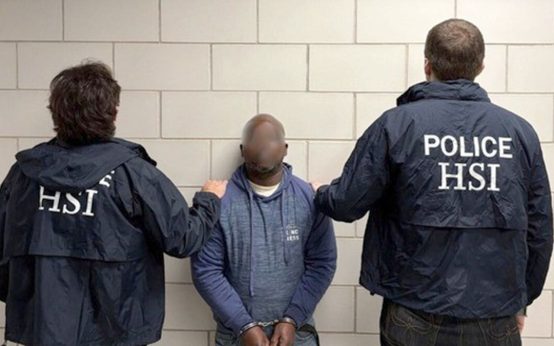 New Jersey Voter Fraud Prompts Renewed Push for SAVE Act
  Concerns Over Changes to Voter-Registration Form for Americans Abroad
  Trump’s 2024 Campaign Targets Young Men Through Cryptocurrency
  Trump’s White House Visitor Center Proposal Gains Bipartisan Support
  How Modern Windows Improve Home Insulation
  State Department Simplifies Passport Process with Online Applications