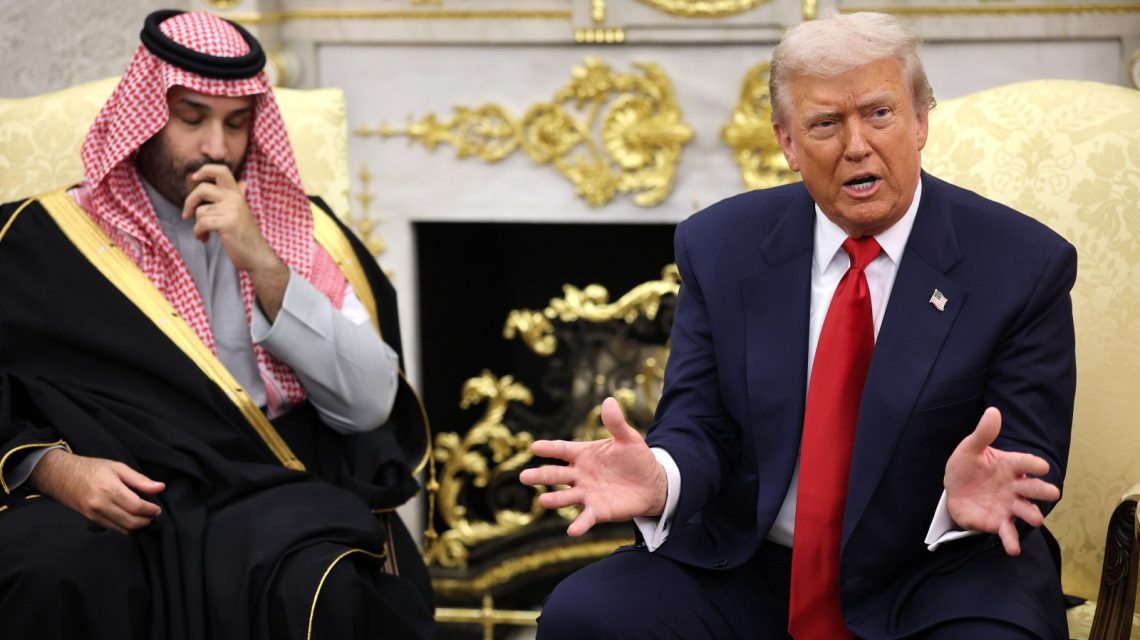
Republican Senator John Kennedy expressed discomfort with the Trump administration’s newly announced civilian nuclear agreement with Saudi Arabia. He voiced rare public skepticism from within his party as lawmakers prepared to review the deal. Kennedy’s comments surfaced days after President Donald Trump announced the agreement and introduced a requirement for Saudi Arabia to normalize relations with Israel before proceeding. This condition has already attracted criticism from Democrats and raised questions about the agreement’s viability through congressional scrutiny.
Why Kennedy Opposes the Deal
When questioned on CBS News’ Face the Nation about his comfort with the agreement, Kennedy responded, “No. Maybe someday, but not right now.” The Louisiana Republican argued that pursuing a Saudi nuclear deal while the U.S. remains at war with Iran sends a mixed message. He stated, “We’re bombing a country to keep them from getting a nuclear weapon, but we’re signing a deal with another country.”
Kennedy emphasized concerns not about civilian nuclear cooperation itself, but the timing. He remarked, “The world’s on a hair trigger,” arguing that global focus on nuclear deterrence is increasing amid instability in the Middle East, Europe, and elsewhere.
Kennedy’s remarks are notable as he generally supports Trump’s foreign policy and defended his handling of Iran. He rejected suggestions to end U.S. involvement in the Iran conflict and suggested continuing pressure through sanctions and military measures while avoiding a larger ground war.
What the Deal Would Do
The agreement announced last week aims to establish a framework for civilian nuclear cooperation between the U.S. and Saudi Arabia. It requires congressional review before taking effect. The Trump administration claims the deal would strengthen strategic ties with Saudi Arabia and create opportunities for American companies in its nuclear energy sector. Supporters argue U.S. participation would enhance Washington’s influence over Saudi nuclear development.
The proposal has long divided policymakers over concerns that a Saudi nuclear program might lead to a nuclear weapon. This concern ties back to Crown Prince Mohammed bin Salman’s pledge to seek a bomb if Iran obtained one, placing the agreement under intense scrutiny in Washington.
Trump’s New Israel Requirement
The political debate heightened after Trump’s announcement of a new condition: Saudi Arabia must join the Abraham Accords and normalize relations with Israel for the deal to progress. This requirement raised doubts about advancing the agreement, considering Saudi Arabia’s consistent stance on relations with Israel requiring progress towards Palestinian statehood. Riyadh has engaged in discussions on closer ties with Israel, but has tied any advances to the Palestinian issue.
Kennedy expressed skepticism about this condition being fulfilled. He remarked, “I don’t think it’s going to happen anyway because the president’s conditioned it on Saudi Arabia recognizing Israel, and they’re not going to do that.” His comments suggest even some Republicans view the requirement as a significant hurdle.
Van Hollen’s Criticism Takes Different Approach
While Kennedy questioned the timing and strategic logic of the agreement, Democratic Senator Chris Van Hollen criticized the administration’s handling of negotiations. Van Hollen, on ABC’s This Week, stated that after the Saudis signed the agreement, the White House altered terms by linking it to normalization with Israel, describing it as a “bait-and-switch scheme.” He argued this sent a wrong message to an important U.S. partner.
Van Hollen’s focus is not on civilian nuclear aid for Saudi Arabia, but on Trump’s political framework change after the agreement’s announcement.
Why Congress Could Become a Problem
The dual criticism represents a challenge as the agreement approaches congressional review. Kennedy criticized the agreement’s timing amidst the U.S.-Iran conflict. Van Hollen highlighted Trump’s decision to impose new conditions post-announcement, signifying objections from different angles.
The situation is noteworthy since Kennedy supports Trump’s broader Iran strategy, indicating his comments can’t easily be dismissed. Meanwhile, Democrats are poised to question the Saudi-Israeli normalization linkage.
What Happens Next
The agreement still requires congressional review, where lawmakers will examine nonproliferation safeguards and broader strategic implications. The administration claims the deal will bolster a vital partnership and extend U.S. influence in the Middle East. However, the emerging debate suggests a focus on a different question: why pursue a major civilian nuclear agreement with Saudi Arabia when concerns about nuclear proliferation are central to the Iran conflict?
For now, the deal encounters an unusual political reality. Democrats critique its negotiation process, while a prominent Republican questions its timing. This combination may complicate its reception on Capitol Hill.
 State Department Simplifies Passport Process with Online Applications
 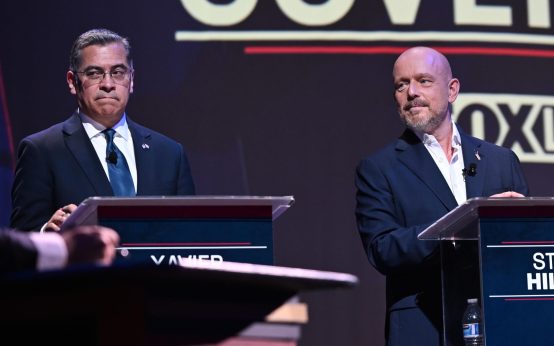 Becerra and Hilton Clash in California Gubernatorial Debate
  California Voters to Decide on $7.5 Billion State Research Fund
 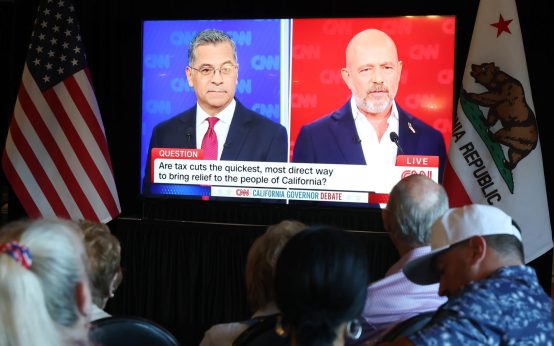 Highlights from the California Gubernatorial Debate: Becerra vs. Hilton
  Becerra vs. Hilton: The Debate and Key Issues in the California Governor Race
  Senate Confirms New Labor Secretary