
The senator had been a key figure in maintaining the U.S. foreign policy consensus on supporting Israel. This consensus has seen changes during President Donald Trump’s administration.
Tracing the Changes
On March 11, 2019, Sen. Lindsey Graham, alongside Israeli Prime Minister Benjamin Netanyahu and U.S. Ambassador to Israel David Friedman, visited the Israel-Syria border in the region of the Israeli-occupied Golan Heights.
Sen. Graham’s frequent travels to Israel, often when not engaged with duties in Washington or South Carolina, signify his deep involvement in U.S.-Israel relations.
“The long-standing bipartisan support for Israel has entered a phase of reevaluation under current political leadership,” stated an analyst.
This shift reflects broader changes in U.S. foreign policy and how key leaders engage with traditional allies.
 Defense Secretary Emerges as Key Player in the Trump Administration
  Ukraine Converts APCs to Explosive Devices in Donetsk Offensive
  Hegseth’s Vision for the Military: Balancing Tradition and Innovation
 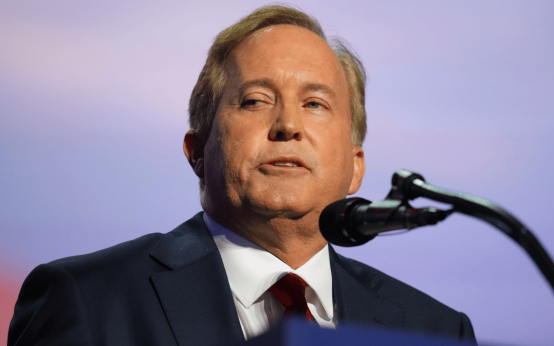 Significant Funding Boosts Ken Paxton’s Texas Senate Campaign Amid Tight Race
  U.S. States Extend Gas Tax Waivers Amid Rising Fuel Costs Due to Iran Conflict
  USCIS Raises Immigration Fees