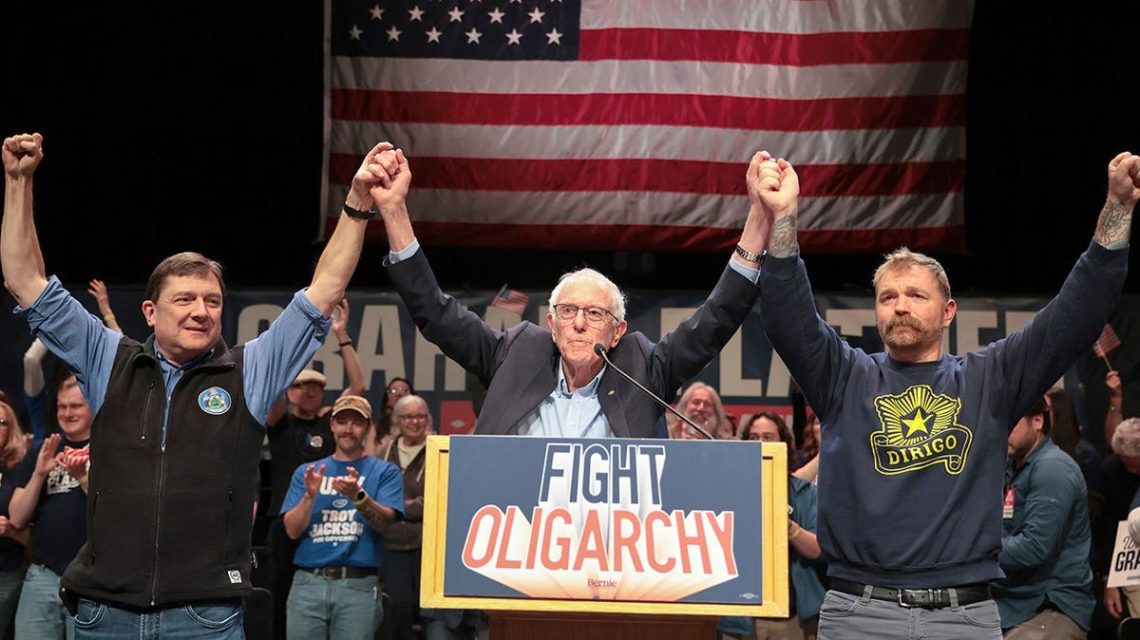
Recent elections have sparked debates about whether America is leaning further to the left, especially during surprise victories by Democratic Socialists or progressive outsiders. Notable events like Mayor Zohran Mamdani’s rise in New York and Graham Platner’s short-lived success in Maine have intensified these discussions. Many speculate these wins indicate a growing acceptance of liberal views.
However, a closer analysis reveals these political shifts aren’t about increasing democratic socialism. They symbolize deeper issues — a widespread loss of trust in longstanding institutions. The collapse of confidence in these systems leads voters to seek candidates who pledge to disrupt traditional politics.
Gallup’s polls indicate this diminishing confidence, with Congress holding the trust of merely 9% of Americans. Confidence has also waned in other key institutions including the criminal justice system, organized religion, higher education, and big business. This widespread distrust showcases a broader crisis affecting the collective belief in the nation’s entire system.
This loss of faith in institutions significantly impacts voter behavior. They are not merely assessing policy positions but are also considering the ability of these institutions to deliver tangible results. When voters feel these institutions are ineffective, they gravitate towards candidates who oppose incremental changes and instead advocate for substantial reform.
Graham Platner’s campaign exemplified this sentiment before its decline. His appeal lay not only in his progressive policies but in his rejection of typical political norms. Likewise, Mamdani’s supporters see him not just as a candidate but as a force for disruption against established systems that they believe have let them down.
Following Platner’s departure, Democrats in Maine didn’t rush to find a conventional replacement. Instead, attention pivoted to Troy Jackson, a candidate who identifies as a ‘pickup truck progressive.’ He has built his reputation on defending working people against entrenched powers, highlighting a preference for anti-establishment contenders.
This phenomenon isn’t isolated. Across the country, candidates challenging the status quo outperform those who simply commit to maintaining it. Labels such as ‘liberal’ or ‘conservative’ are becoming less relevant; the real divide is establishment versus anti-establishment, institution versus outsider.
The rise of democratic socialism and right-wing populism are two political expressions reflecting this sentiment — a widespread belief that existing institutions are failing to address critical issues effectively.
A healthy democracy relies on citizens having faith in these institutions, despite their imperfections. When this belief erodes, disruption becomes preferable to stability. History shows political movements on the fringes gain traction not because people awaken with new ideologies but due to diminishing trust in institutions where moderation once sufficed.
Thus, the key story of American politics isn’t the ascent of democratic socialism. It’s the deteriorating confidence that fuels its growth, emphasizing the need for institutions to reconnect with citizens’ trust. Until they do, expect to see more candidates like Zohran Mamdani, Graham Platner, and Troy Jackson. They are not the roots of this political moment but its result.
 The Trump Team’s Challenge to the Military Leadership
  Maryland First State to Restrict Electronic Pricing in Grocery Stores
  Activists Push for Nationwide Ban on Child Marriage in the U.S.
 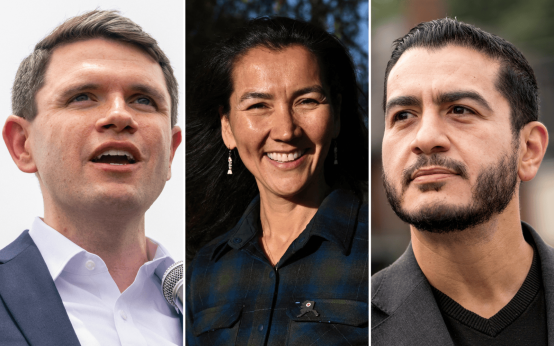 Democratic Hopes and Historical Warnings in 2026 Senate Race
  Republicans Face Challenges Amidst Cost of Living Concerns
  A Different Kind of Fall for Congress This Year