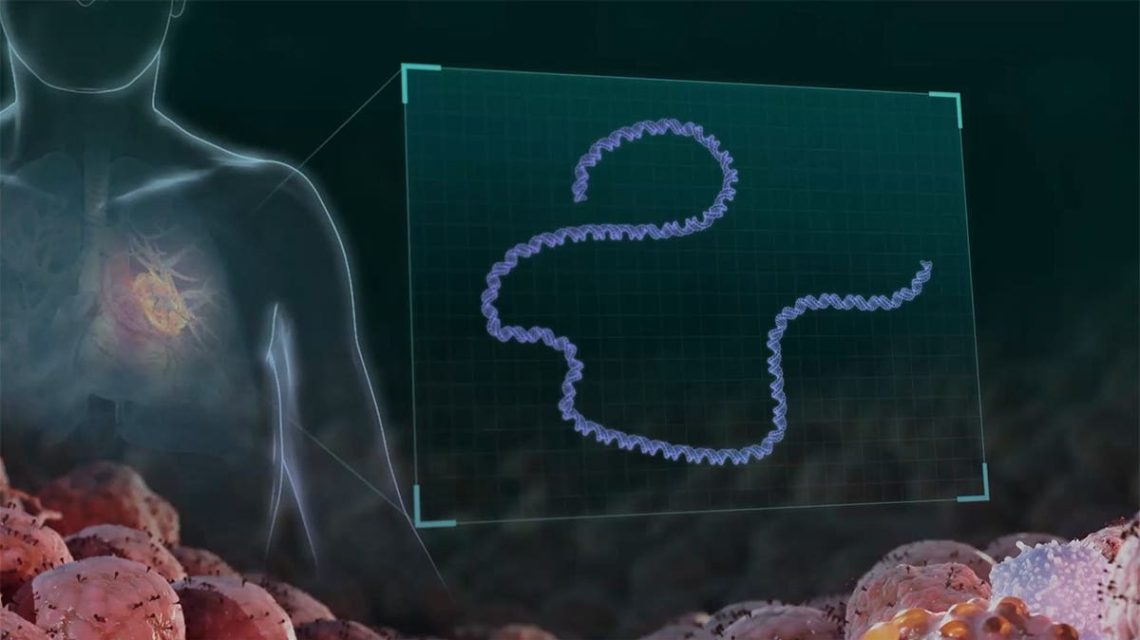
An experimental vaccine for skin cancer, developed by Merck and Moderna, has shown promising results in reducing the risk of melanoma returning or spreading in a late-stage clinical trial. This trial marks a significant milestone for mRNA-based personalized cancer therapies.
Phase 3 Trial Results
The study, known as INTerpath-001, involved 1,137 patients worldwide who underwent surgery to remove high-risk melanoma (Stages IIB through IV). Participants were randomly assigned to receive either Keytruda combined with the personalized vaccine or Keytruda with a placebo.
“They’re slightly different in every patient, which is why traditional chemotherapies often stop working or don’t work in a particular patient,” Dr. Murad Alam, Chief of Dermatology at Northwestern Medicine, explained.
The combination therapy significantly improved recurrence-free survival, indicating a reduced likelihood of cancer returning compared to the Keytruda-alone group. It also enhanced distant metastasis-free survival, meaning patients remained alive without the disease spreading to distant body parts.
Personalized Vaccine Mechanism
Unlike conventional vaccines that protect against external viruses, the custom mRNA vaccine, called intismeran autogene, is administered post-surgery to train the body to target residual cancer cells. Post-surgery, doctors analyze the tumor’s genetic sequence to identify up to 34 tumor-specific neoantigens to encode in the vaccine.
Dr. Alam emphasized the individualized approach, noting the vaccine’s ability to direct the immune system toward tumor-specific targets without affecting normal cells.
The Role of AI
Artificial intelligence plays a crucial role in identifying effective antigens for the vaccine. AI enables quick and feasible vaccine development tailored to individual patients, enhancing effectiveness.
“AI is a tool that allows you to develop a vaccine for an individual person in a reasonable timeframe,” Alam stated.
Future Plans
Following the successful Phase 3 trial, Merck and Moderna plan to engage with global regulatory authorities, including the FDA, concerning potential regulatory filings. There are intentions to test the vaccine technology against other difficult-to-treat cancers, such as lung, bladder, and kidney cancers.
Although outcomes are promising, the trial results are early and do not specify how long patients remain cancer-free or whether the treatment enhances overall survival. Participants were limited to those with specific melanoma stages post-surgery, potentially limiting broader applicability.
Merck announced that side effects were consistent with previous studies, with no new safety concerns. Dr. Alam remarked on the vaccine’s benefits and mild side effects, which include fatigue, chills, and some injection site pain.
 Expert Insights on Vaccine Guidelines and Health Concerns
  Surrogate Mother Faces Legal Challenges Amidst Baby’s Medical Crisis
  LGBTQ+ Population in the U.S. Reaches New Heights Amid Shifting Public Opinion
  Providence Health Plan’s Medicare Advantage Exit Leaves Seniors Searching for Coverage
  Health Impact Study on Boyle Heights Fire
  Data from Phase 3 Trial of Personalized Cancer Vaccine Raises Hope