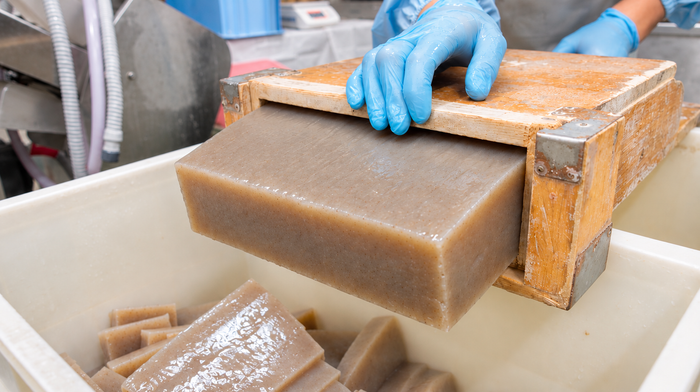
Shirataki noodles, crafted from konjac, have been a staple in Japan for over a millennium. This low-calorie, gluten-free food is gaining popularity internationally, often labeled as ‘miracle noodles’ abroad. Despite its rising fame elsewhere, Japan’s industry responsible for its cultivation and transformation is experiencing a decline.
Our journey took us from Tokyo to Gunma Prefecture, a region responsible for more than 90% of Japan’s konjac production. Here, we observed the intricate process of transforming konjac into noodles, blocks, and jerky.
In Gunma, family-run factories and farms face significant challenges. The demand for konjac products is decreasing, production costs are rising, and the workforce is aging. Additionally, harsher weather conditions add to the challenges.
Despite these obstacles, there is hope. Efforts to develop new products and an increased interest in the American market may help sustain this ancient food tradition. The resilience and adaptability of these families are key to keeping the tradition alive.
 Netanyahu Faces Setback Amid Unity Government Talks
 The Silence of Women in Tech Regarding Jensen Huang’s Return
 Concerns Rise Over Death Sentence of Pakistani Christian Accused of Blasphemy
 The Controversy Surrounding Lake Ontario’s Renaming
 Pakistan to Bolster Saudi Defense Amid Houthi Attacks
 Opportunities and Challenges in Recent Developments