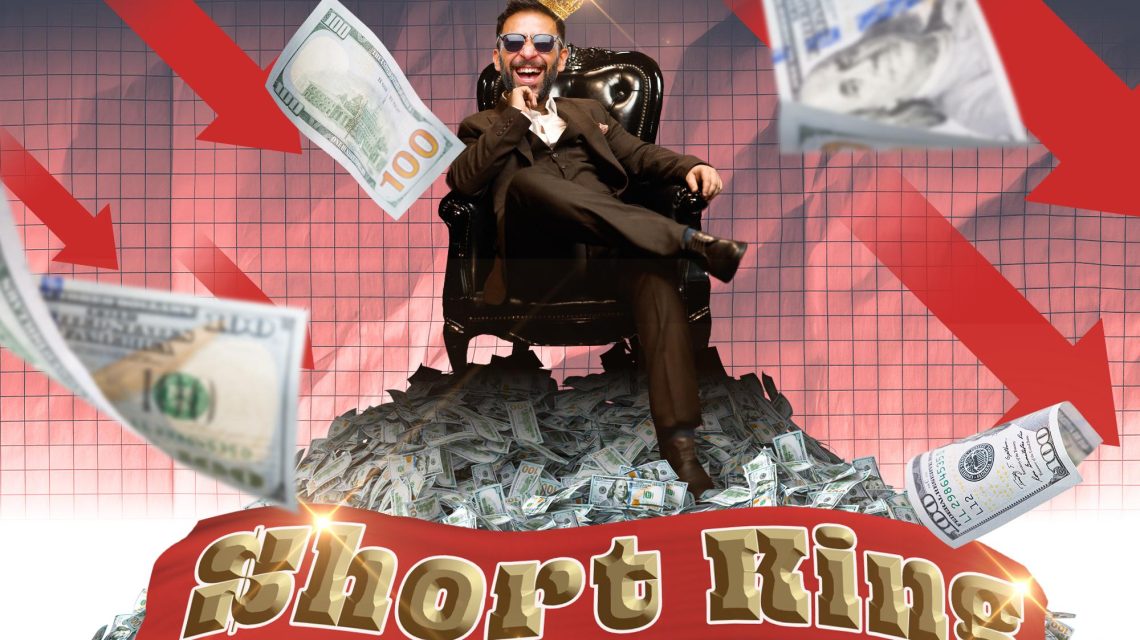
Short sellers in the stock market typically face criticism for betting against rising stocks, often labeled as market antagonists. However, recent revelations regarding Nvidia’s CEO, Jensen Huang, have shifted perceptions, highlighting the crucial role short sellers play. These traders profit from declining stock prices, offering a counterbalance to excessive market hype.
Short selling has a long history. It serves to counteract overly optimistic market trends. In recent times, a bullish market, driven by low-interest rates and advancements in AI, has made it challenging for short sellers. But the Nvidia scandal, involving Huang’s alleged affair with a possible Chinese spy, has cast new light on corporate governance issues at the tech giant.
Huang’s downfall has triggered scrutiny of Nvidia’s management and financial practices. Investors have been reminded that stock prices are not infallible, and short sellers’ warnings about Huang’s actions have proved prescient. They challenge prevailing market narratives, often to the disdain of investors who prefer ever-increasing stock values.
Many investors view short selling as problematic, even advocating for its prohibition. Companies frequently blame short sellers for their troubles, lobbying lawmakers for relief. Yet, data shows that misconceptions about short selling ignore the greater financial losses stemming from overhyped stocks.
A prominent short seller noted, “The Huang mess really looks like the AI cycle is over,” adding that it is “bad news for the market, but good news for short sellers and those who heed their warnings.”
Short sellers make profits by borrowing and selling shares, aiming to repurchase them at reduced prices. They often publish critical research to highlight market vulnerabilities, angering those who prefer positive stock performance to fuel retirement accounts. Nonetheless, market corrections are inevitable, and short sellers can signal when it might be wise to reduce holdings.
Research by Culper Research, led by Christian Lamarco, raised alarms about Nvidia’s market position and Huang’s leadership in a report titled “NVIDIA: The China Problem.” This analysis, overlooked by many, identified potential breaches of U.S. laws and personal connections between Huang and Alice Huang, a Chinese employee at the time.
The fallout from these revelations included a decline in Nvidia’s stock value as further indiscretions emerged. Initial attempts by Nvidia to downplay Huang’s relationship were contradicted by subsequent admissions, raising legal concerns.
Today, Nvidia faces significant challenges, including internal scandals and a loss of investor confidence. Observers who heeded short sellers’ early warnings were better prepared for the turbulence that unfolded.
 Positive Outlook for Stock Market as 2026 Draws to a Close
 Warren Buffett’s Influence on Berkshire Hathaway’s Operations Post-Leadership
 Wall Street Faces Brutal Sell-Off Amid AI Stock Decline
 $17 Billion Walleye Capital’s Strategic Realignment
 US Stocks Rise Following Democratic Victory in Congress
 Stock Market Surge Amid Political Shifts