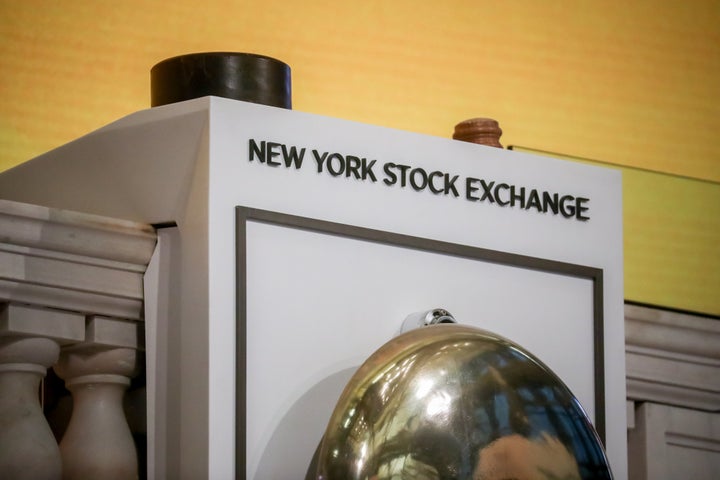
The stock market faced a sharp decline as stocks linked to the development of AI data centers plummeted. This sell-off erased gains from the previous day, which had been the market’s best in months.
Major Indexes Suffer Significant Losses
The S&P 500 fell 4.4%, marking its worst day since Donald Trump’s tariffs in April 2025. The Dow Jones decreased by 1,833 points, or 3.4%, and the Nasdaq composite dropped 5.5%.
Investors refer to a loss of more than 10% as a correction. The Nasdaq, heavily populated with AI and tech stocks, is now 11.9% below its peak from last month. Global markets also felt the impact, with South Korea’s Kospi index dropping 5.3%.
Concerns Over AI Data Center Costs
Stocks that thrived due to the AI industry boom have been volatile due to concerns about the cost of building additional AI data centers. Analysts argue that AI stock prices have become excessively inflated.
The recent U.S. midterm elections added another dimension of uncertainty. Democratic wins might lead to regulatory halts on data center expansions. Many voters express dissatisfaction with increasing electricity bills attributed to these centers.
Impact on AI Chip Manufacturers
Limitations on AI data center expansion would likely reduce demand for AI chips and related resources. Nvidia, a prominent chip maker, fell 9.3%, significantly impacting the S&P 500. Despite past annual gains, Nvidia is currently down 2.6% for the year.
Advanced Micro Devices dropped 17.3%, while CoreWeave, which provides AI chip access via the cloud, declined by 9.8%. GE Vernova, involved in powering data centers, saw a 7.5% drop.
Market Widespread Losses and Few Gains
The losses were widespread, with earlier gains erased in quick succession. However, some companies like AppLovin experienced gains. AppLovin shares surged 31% after surpassing revenue and profit expectations. Tapestry, behind the Coach and Kate Spade brands, rose 7.1% due to robust profit reports and improved fiscal forecasts.
Performance of Key Indices
Overall, the S&P 500 decreased by 334.89 points to 7,353.73. The Dow Jones fell 1,833.06 to 51,523.06, and the Nasdaq dropped 1,421.52 to 24,315.00.
Other Financial Markets Reactions
The U.S. midterm elections prompted a mixed response in other financial sectors. Brent crude oil prices recovered, increasing by 3.9% to $98.29, following a substantial decline the previous day.
Treasury yields continued their downward trend. The yield on the 10-year Treasury decreased to 4.84%. This drop suggests investors are seeking stability in U.S. Treasury bonds amid stock market volatility.
Global Markets and Interest Rate Decisions
International markets showed mixed results. Apart from South Korea, Japan’s Nikkei 225 fell 1.8% due to declines in tech and AI stocks. The FTSE 100 in London slipped 0.4% after the Bank of England raised its key interest rate for the first time in three years to tackle inflation.
Interest rate decisions are influenced by ongoing geopolitical tensions, including the conflict involving Iran, which has affected global oil prices and inflation rates. Bank of England Governor Andrew Bailey emphasized the importance of resolving Middle East conflicts for economic stability.
 Short Sellers Gain Attention Amid Nvidia Scandal
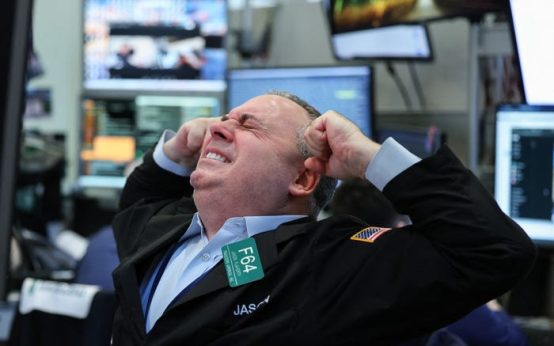 Positive Outlook for Stock Market as 2026 Draws to a Close
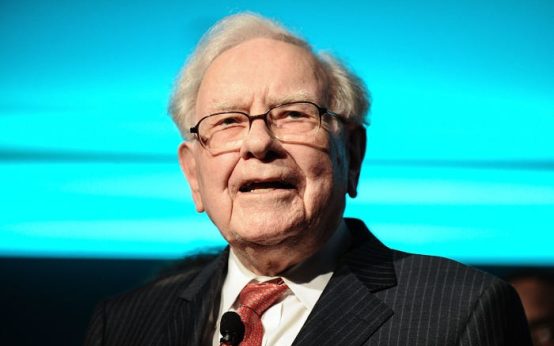 Warren Buffett’s Influence on Berkshire Hathaway’s Operations Post-Leadership
 $17 Billion Walleye Capital’s Strategic Realignment
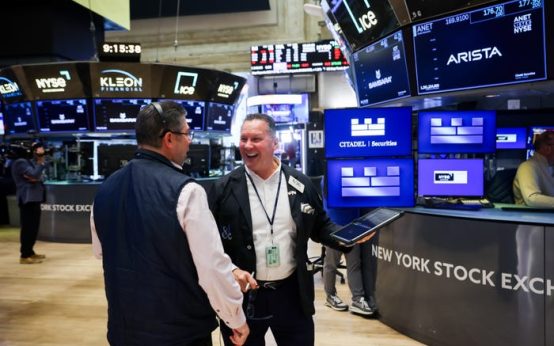 US Stocks Rise Following Democratic Victory in Congress
 Stock Market Surge Amid Political Shifts