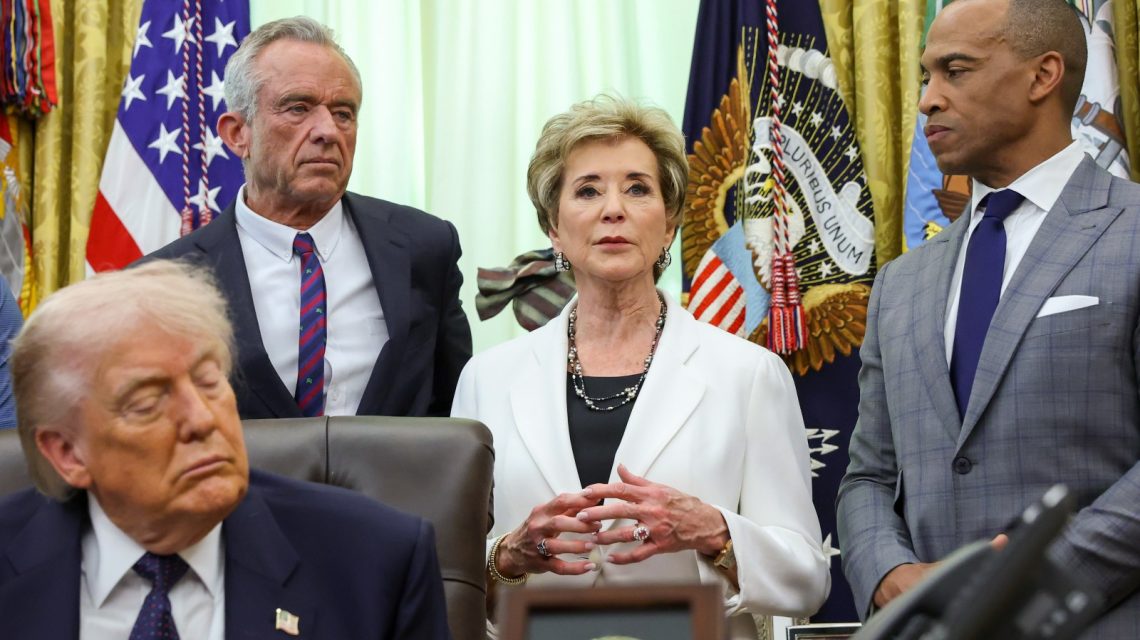
The landscape of federal student loans in the United States will undergo major transformations starting July 1. These changes stem from new federal regulations linked to President Donald Trump’s One Big Beautiful Bill Act, representing a substantial shift for millions of borrowers.
Impact of Changes
Over 40 million Americans hold federal student loan debt. The adjustments taking effect in July will influence monthly payments, borrowing choices, and repayment strategies. Some borrowers might encounter increased monthly payments or limited forgiveness options. New borrowers will face stricter borrowing limits.
List of Student Loan Changes Effective July 1
1. Introduction of Repayment Assistance Plan (RAP)
A new income-driven repayment program, RAP, will be launched. Payments will range from approximately 1% to 10% of income, dependent on earnings. Forgiveness is attainable after 30 years. RAP includes features like interest support and principal reduction incentives. It will replace existing income-driven plans for many, although long-term borrowing costs may rise.
Alex Beene, a financial literacy instructor, highlighted that borrowers on a repayment assistance plan will shift to one consolidated income-based repayment plan, necessitating a minimum monthly payment.
2. Conclusion of SAVE Plan
The Biden-era SAVE repayment plan will end, influenced by court decisions and federal settlements. Approximately 7 million borrowers must shift to a new plan. Loan servicers will provide 90-day notices starting July 1. Those who fail to select a new plan will be moved to a standard repayment option, leading to potential increases in monthly payments for some former SAVE borrowers.
3. Phase-Out of Most Income-Driven Plans
Other established repayment plans will stop accepting new borrowers. Besides SAVE, PAYE and ICR plans will close to new enrollments, concluding by 2028. IBR will remain available for current borrowers, while RAP and a standard plan will serve new borrowers.
4. Stricter Borrowing Limits
New limits will regulate federal loan amounts that students and parents can borrow. Parent PLUS loans will be capped at $20,000 per year with a $65,000 lifetime limit per student. Graduate and professional students will face a $20,500 annual borrowing limit and a $100,000 lifetime cap. Some families may need to resort to private loans to cover costs.
Kevin Thompson, a financial expert, noted that higher interest rates and borrowing caps could prompt families to seek private loans with potentially higher rates.
5. Elimination of Grad PLUS Loans for New Borrowers
Graduate students will not be able to take out Grad PLUS loans for new programs. The program ends for new borrowers starting July 1, although existing borrowers might continue under current terms in certain cases.
6. Changes to Public Service Loan Forgiveness (PSLF)
Adjustments will also impact the PSLF program, with new criteria determining eligible employers. Some organizations might no longer qualify, as Education Secretary Linda McMahon now holds the authority to disqualify employers found with a substantial illegal purpose.
7. New Interest Rate Incentive for Auto-Pay
The Department of Education revealed a 1% interest rate reduction for borrowers using auto-pay. This incentive, available through June 30, 2028, encourages borrowers to remain proactive in selecting beneficial repayment options.
“The Trump Administration is simplifying student loan repayment processes,” stated Under Secretary of Education Nicholas Kent. “Borrowers are encouraged to optimize this temporary rate reduction.”
Next Steps for Borrowers
Those currently in the SAVE program will receive reminders from July 1, with a 90-day period to choose a new plan. Neglecting to respond could result in an automatic transfer to a standard plan potentially resulting in higher payments and fewer benefits.
 Cargo Plane Crash at Miami International Airport
  Marine Veteran Suing Oregon School District Over Curriculum Reimbursement
  Tennessee Execution Halted as Issues Persist with Lethal Injection Protocol
  Troy Swanson: Award-Winning Librarian Transforming Academic Libraries
  Cornell University to Investigate Handling of Alleged Assault Case
  Judge Dismisses Case Against Former Olympian Over Lincoln Memorial Incident