Sophie Cunningham’s remarks on leadership within the WNBA have sparked protests outside a game in Brooklyn. Tomi Lahren and a panel are discussing the controversy regarding Commissioner Cathy Engelbert. The debate centers on transgender participation in women’s sports.
“We would have loved to shut up and dribble.”
These are the words from Sue Bird on her recent podcast. Bird, engaged to Megan Rapinoe for over five years, suggests she preferred focusing on basketball rather than engaging in politics during 2020.
Sue Bird’s Political Involvement
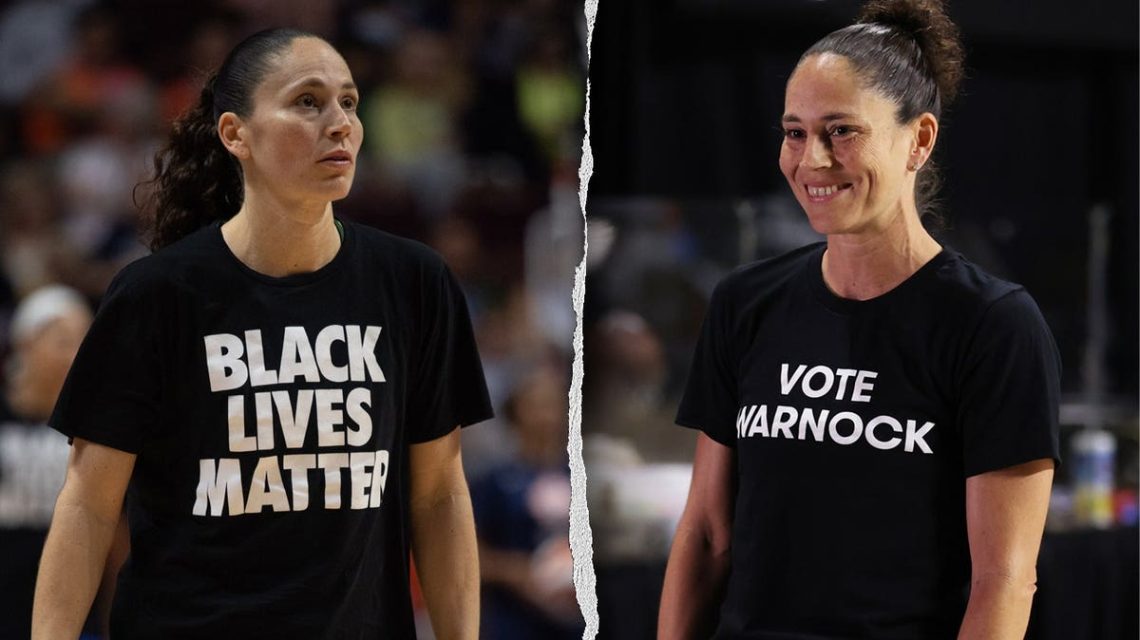
Sue Bird, historically outspoken on left-wing political issues, seems to distance herself from past statements. In 2020, she was Vice President of the WNBPA during a season promoting Black Lives Matter, the Justice Movement, and a Social Justice Council.
The league advocated on topics like voting rights and LGBTQ rights. The proactive stance wasn’t limited to a few players; it was ingrained within the season. Players supported Raphael Warnock against Kelly Loeffler, demonstrating political engagement beyond mere individual expression.
Now, Bird wants others to believe coercion dictated these actions, contrasting her earlier statements. Bird’s own words from 2020 show her support for integrating social justice in the WNBA season.
“Our season was going to have to be played with social justice messages.”
Her previous statement from an NPR interview highlights alignment between the league and players on political messaging. When players backed Warnock, the decision stemmed from Bird’s own initiative to campaign for him.
WNBA’s Engagement in Politics
Bird acknowledges the league faces challenges beyond its control, citing figures like Donald Trump as complicating factors. She questions the feasibility of expecting the league to solve political issues overnight.
Stephen A. Smith attributes the current WNBA controversy to political missteps, with Bird portraying players as unwilling participants in political debates—views contradicted by ESPN reporter Ramona Shelburne. Shelburne contends the league is an active participant in political discourse.
Sue Bird, despite previously promoting social justice as crucial to the WNBA, now seems to argue against her past stance. The WNBA’s engagement in political issues continues to unfold, with players and teams having the agency to choose their level of involvement.
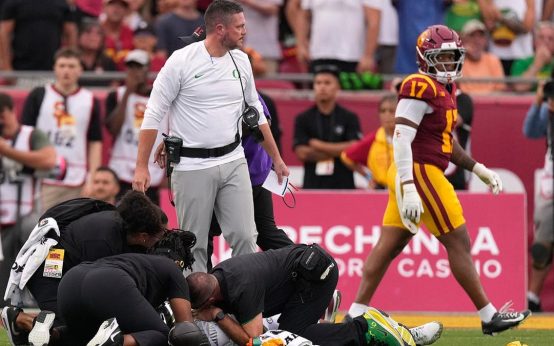 Dan Fouts Reflects on Violent Football Incident
 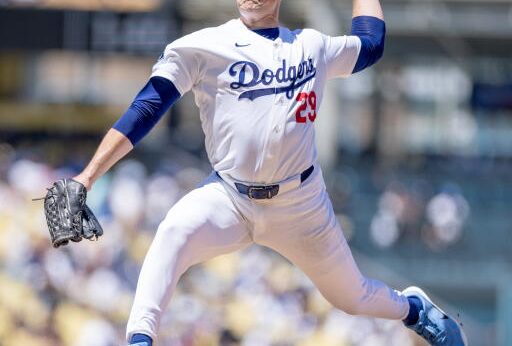 Dodgers Begin NLDS Against Braves: Key Details and Roster Decisions
 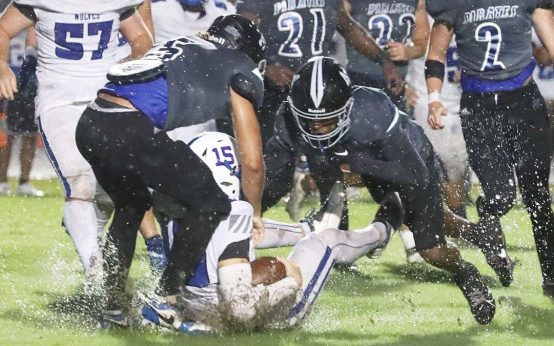 High School Football Tensions Flare in Central Florida
 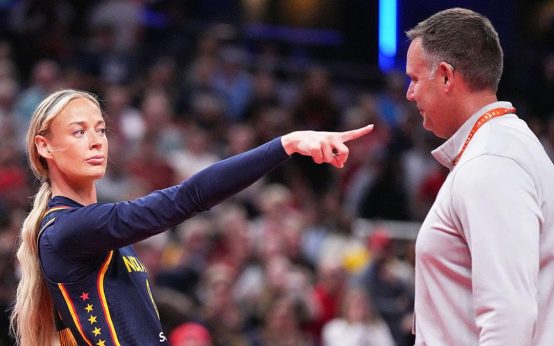 Indiana Fever’s Tumultuous Season and the WNBA’s Cultural Storm
  Chicagoland High School Football Teams Results in Week 7
 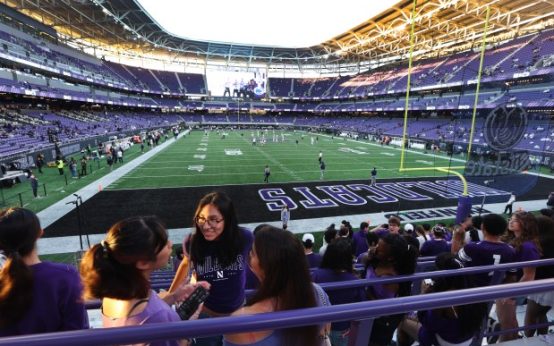 Northwestern Debuts New Ryan Field with Victory Over Penn State