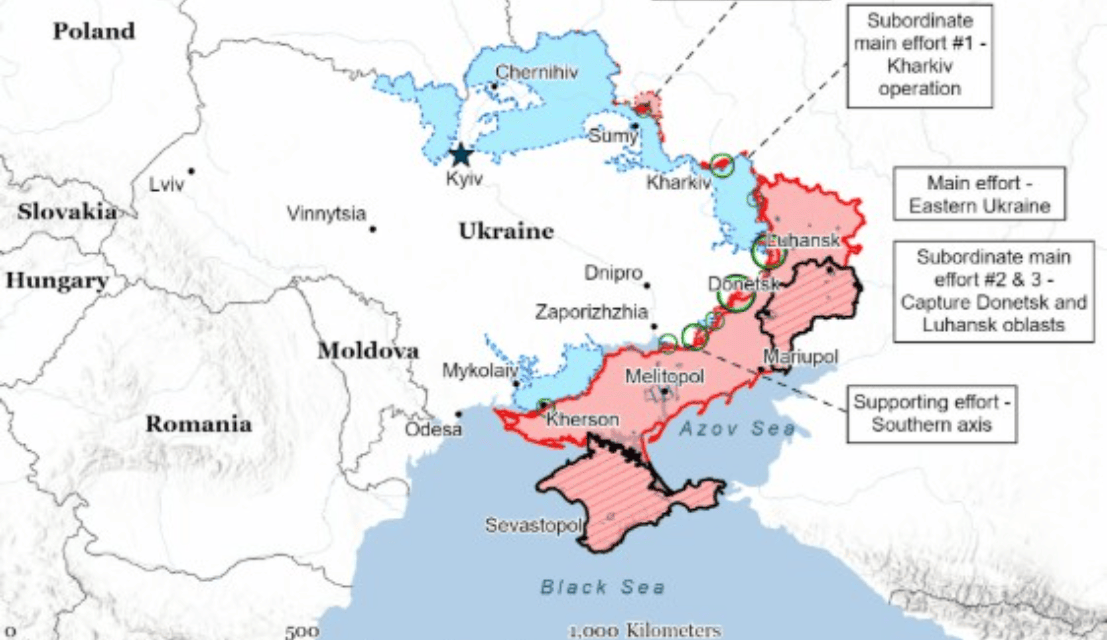
Recent maps indicate little change in the Russia-Ukraine frontline from May to November. The lack of diplomatic progress at the Abu Dhabi talks coincides with Russian President Vladimir Putin’s previous optimism in May, suggesting an end to the war was imminent.
Six months later, the frontline remains static and diplomacy at a standstill. This conflict’s half-decade mark approaches next February. Talks did lead to an agreement on a large-scale prisoner exchange, marking the first major dialogue between the two sides since February. Yet, a deadlock persists over Moscow’s demands for Ukraine’s withdrawal from the Donbas, opposed by Kyiv.
“On the political questions that will determine whether the war ends, however, there was no visible movement,” Mark Temnycky of the Atlantic Council’s Eurasia Center told Newsweek.
Ukraine’s “Operation Vivaldi,” initiated in late May, prevented Russian advances near Lyman in Donetsk Oblast. Ukrainian forces halted Moscow’s encirclement attempts of highly defended city fortifications.
By September and October, Ukraine achieved battlefield gains near Kupyansk, Oleksandrivka, and Lyman. Moscow saw net territorial losses, except for pockets in Sumy and Zaporizhzhia. Ukraine’s position improved significantly, stabilizing the front compared to the prior two years, according to military analyst Giorgi Revishvili.
Revishvili highlighted Ukraine’s net territorial gains during February, May, and October 2026. Russian personnel losses peaked in October with 54,000 troops lost.
“Putin and the Russian political-military leadership continue to set unrealistic military objectives, such as capturing the entirety of Donbas by the end of the year,” Revishvili stated.
Ukrainian strategy has thwarted Russian momentum towards Dnipropetrovsk and dismantled a significant salient threatening Slovyansk’s northern flank. Ukraine’s focus on operational depth proved pivotal, targeting Russia’s operational rear, affecting logistics and command abilities.
Key Impacts of Ukrainian Strategy:
- Pressure on Russian logistics
- Compromised command-and-control facilities
- Restricted offensive operations sustainability
The Abu Dhabi talks concluded with a new prisoner of war exchange agreement. Rustem Umerov, head of the Ukrainian delegation, acknowledged steps towards broader peace and post-war reconstruction, though significant disagreements remain.
“The agreement in principle on a large prisoner exchange matters greatly to Ukrainian families waiting for soldiers and civilians held in Russian captivity,” Temnycky noted.
Kyiv hopes for a potential maritime and energy ceasefire, alongside talks on a peace summit. The consequent meetings of U.S. envoys Kushner and Witkoff with Putin, and later with President Zelensky, could be crucial in assessing any potential shift in Moscow’s stance.
Temnycky observed, “If Russia offers nothing new, the United States will face a choice between continuing talks for their own sake and raising the cost of Russia’s intransigence.”
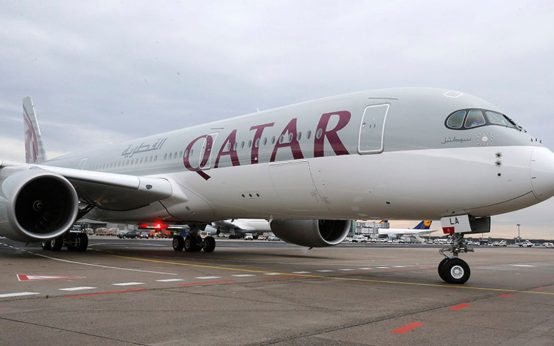 In-Flight Altercation on Qatar Airways Leads to Police and FBI Response
 Virginia Residents Sue Over Alleged Immigration Violations
 Updates on Key International and Domestic Events
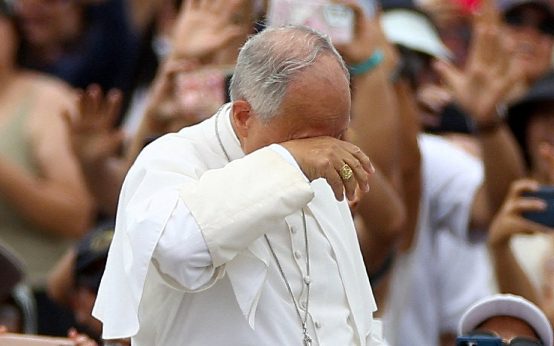 Pope Leo XIV Completes South American Tour with Farewell Mass in Peru
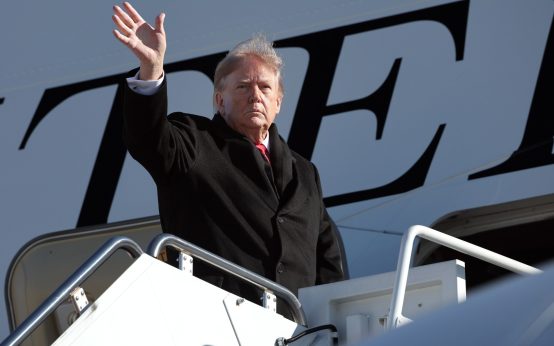 President Trump’s Critical Asia Trip: Key Meetings and Implications
 U.S. Plans to Restrict AI Chip Exports Before Trump-Xi Meeting