
During the early 1900s, Congress confronted a pivotal decision concerning the regulation of radio broadcasting. This era marked an unprecedented challenge as radio emerged as a groundbreaking medium. The legislative body had two primary options. On one hand, it had the choice to apply existing private property principles to this novel domain. This approach would treat radio frequencies similar to real estate, enabling private ownership and market-driven decisions.
Conversely, a different path beckoned, one favoring a quasi-socialist system. This alternative implied significant governmental control over the airwaves. Advocates argued it could prevent monopolization and ensure equitable access. However, such control brought the risk of government-imposed restrictions on speech and individual freedoms.
The decisions made during this formative period have left a lasting imprint. Today’s regulatory environment for broadcasting, and by extension other forms of media, still reflects those foundational choices. Legislative actions from over a century ago continue to influence the balance between free speech and government oversight, highlighting the enduring impact of early 20th-century economic policy on modern censorship debates.
 Controversy Unfolds as Broadcaster is Let Go Over Old Tweets
 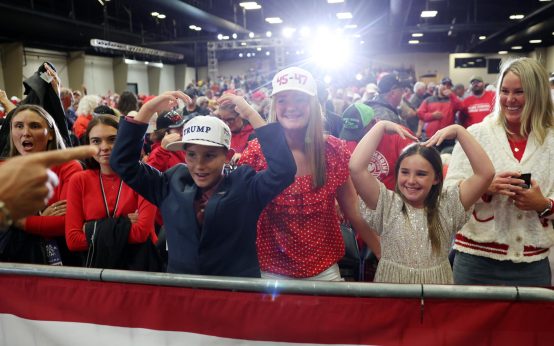 Trump Rallies Support in GOP Strongholds as Midterm Elections Approach
  Brazil’s Next Election: Familiar Faces and High Stakes
 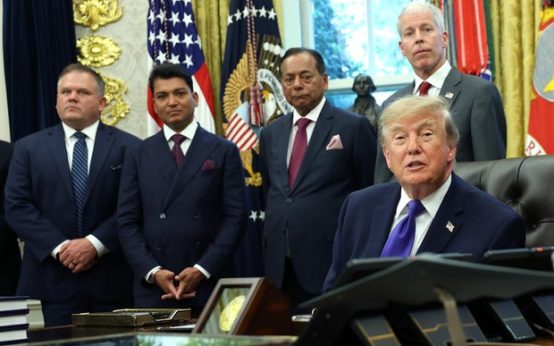 Iowa Steel Plant: Incentives and Political Maneuvering
  Strategies for Democrats Leading Up to Election Day
 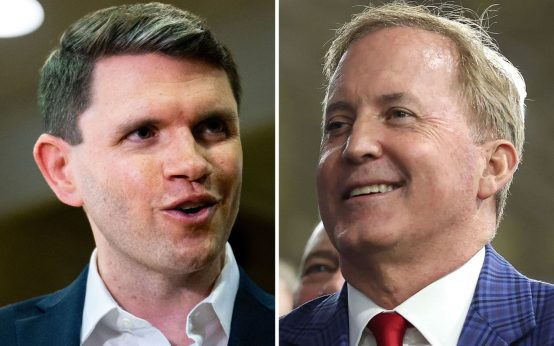 Texas Senate Race: The Impact of Trump on Ken Paxton’s Campaign