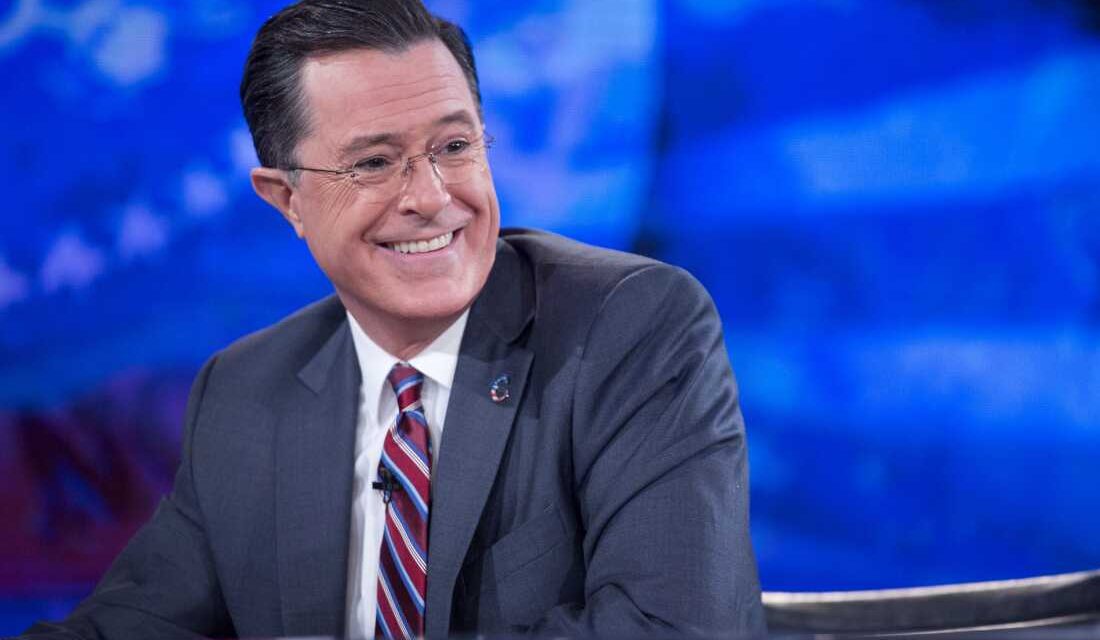
Stephen Colbert, a prominent figure in television, completed a remarkable run with more than 3,000 episodes over 20 years. His influence as a host and performer is epitomized by one word: truthiness. This term, first highlighted on his show The Colbert Report, embodies the idea of believing something because it feels true, ignoring factual evidence. From the start, Colbert parodied television pundits like Fox News’ Bill O’Reilly, famously stating, “I don’t trust books. They’re all facts and no heart.”
As The Late Show ends its 11-year stint, Stephen Colbert is hailed for his unwavering commitment to truth. Roy Wood Jr., a former The Daily Show correspondent, noted Colbert’s fearlessness against political administrations, especially President Trump’s. According to Wood, Colbert’s determination didn’t waver as he pushed his critiques even further, describing the current administration as particularly sensitive.
Hasan Minhaj, another The Daily Show alum, admired Colbert’s ability to evolve while maintaining a connection with his audience. Minhaj described Colbert’s journey from a top correspondent to hosting The Late Show as an example of continually “meeting the moment.” Colbert’s knack for adapting his satire to new contexts demonstrated his brilliance in engaging with changing times.
A Sketch Comic’s Journey
Colbert, raised in South Carolina, honed his comedic skills at Chicago’s Second City. His involvement in sketch comedy began as an understudy to Steve Carell, eventually collaborating on The Dana Carvey Show in 1996. However, his significant breakthrough came with The Daily Show, where he created the persona of a “high status idiot.” This character mocked cable news pundits, magnifying their absurdity. Minhaj recalled Colbert’s impact on other correspondents, emphasizing his mastery in executing political satire.
Collaborating with Jon Stewart at The Daily Show, Colbert and his peers sharpened their satire, focusing on politics and news. This style became influential, leading to The Colbert Report in 2005. His character became so iconic that he even testified in character at a Congressional hearing on immigration and famously roasted President George W. Bush at the White House Correspondents Dinner.
From Cable to Network Television
CBS chose Colbert to succeed David Letterman as the host of The Late Show in 2015. Initially hesitant to adopt a news-focused tone, he found his stride with the help of new showrunner Chris Licht. This transition reflected a broader trend in media, where authenticity gained value. Colbert’s personal touches, like references to his wife and faith, enhanced his show.
The shift towards embracing his identity coincided with changing media landscapes. Bill Carter, a long-time television critic, highlighted challenges for modern late night hosts in bridging political divides. Carter emphasized the demand for taking a stance in today’s world, with viewers often remaining in echo chambers. Wood echoed this sentiment, underlining the responsibility of performers to address the truth.
Looking Forward
As Colbert’s The Late Show concludes, anticipation surrounds his next venture. He has announced plans to write a new Lord of the Rings movie with his son. Minhaj and Carter shared suggestions for Colbert’s future, envisioning a one-man Broadway show combining humor with personal storytelling.
Though The Late Show‘s cancellation appears to mark a decline in network late night television, Carter predicts benefits for other hosts like Jimmy Kimmel. The landscape of satire continues evolving, awaiting Colbert’s return in a new form. His voice remains crucial in opposing truthiness and confronting absurdity.
 Zoe Kazan’s Journey with ‘East of Eden’
  Pete Davidson Criticizes NYC Mayor Zohran Mamdani Over BQE Construction
  Chris Hansen Criticizes Hollywood’s Portrayal in ‘Primetime’
  Monet Mazur’s Home Targeted in Hollywood Hills Burglary Attempt
 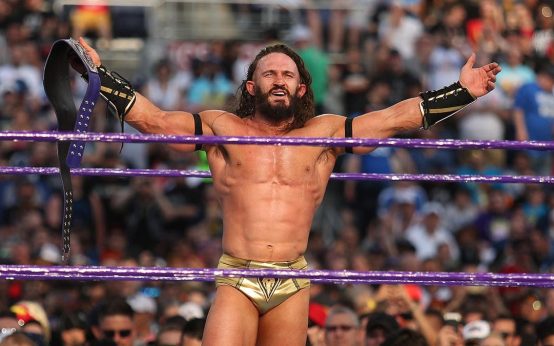 Dwayne Johnson Pays Tribute to Late Wrestler Benjamin Satterley
  David Cerda Celebrates 25 Years of Stage Success with ‘Joan Crawford Goes to Hell’