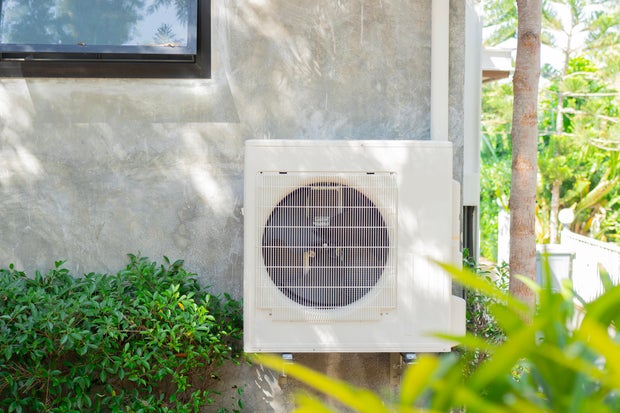
Understanding when HVAC companies are eager for business can help you avoid overpaying for a furnace or air conditioning system. As equipment prices, labor shortages, and rising energy costs increase, replacing these systems often becomes a significant financial decision for homeowners.
HVAC manufacturers and installers face shifting demand patterns. During periods of extreme temperatures, demand spikes can increase installation wait times and reduce negotiating power for buyers. In contrast, slower periods on contractors’ calendars may offer discounts, rebates, and more flexible financing options.
Homeowners should try to time their purchase strategically to manage costs effectively.
Knowing the optimal times to buy HVAC systems can lead to substantial savings. Here’s what you need to know.
The Best Times to Buy HVAC Systems
Typically, early spring and late summer are the most cost-effective periods to buy air conditioners and furnaces, respectively. These off-peak times allow contractors to fill schedules when demand is lighter. This usually occurs during mild-temperature months between heating and cooling extremes.
Early Spring Discounts for Air Conditioners
If you’re replacing an air conditioner, early spring is often optimal. Temperatures have not yet climbed to trigger widespread AC emergencies, leading to less HVAC service calls. This can result in promotional pricing, discounted installation packages, or manufacturer rebates. Contractors might also offer more availability, simplifying scheduling and reducing premium rates for rushed installations.
Late Summer Deals for Furnaces
For furnaces, late summer or early fall offers affordability before temperatures drop. During these months, HVAC companies often see lighter demand before heating systems are used. This period is beneficial for homeowners with older but still functioning furnaces, presenting more chances for discounts. Manufacturers and retailers may introduce end-of-year promotions as newer models arrive, creating more savings.
Avoid Costly Emergency Replacements
Avoid purchasing HVAC systems when temperatures are extreme. Intense heat or cold leads HVAC companies to prioritize emergency calls, reducing negotiating leverage for homeowners. Contractors may charge higher rates for expedited installations, and equipment shortages can limit choices. If your current system nears the end of its lifespan, consider exploring replacement options before emergencies occur.
Additional Ways to Reduce HVAC System Costs
Strategic timing isn’t the only cost-saving method. Exploring these additional options can lower expenses:
- Compare Installation Quotes: Request at least three estimates to identify inflated pricing, compare warranty coverage, and understand included services. Some companies might offer financing promotions, maintenance packages, or extended labor warranties.
- Search for Rebates and Tax Incentives: Depending on your system, federal tax credits, utility company rebates, or manufacturer incentives might be available. High-efficiency systems, heat pumps, and ENERGY STAR-certified equipment are often eligible for savings programs. Always ask about current incentives beforehand.
- Consider Long-Term Energy Savings: While cheaper systems may look appealing, higher-efficiency units can reduce monthly energy bills enough to justify the higher purchase price over time. Modern HVAC systems are generally more energy-efficient, especially if existing equipment is over a decade old.
Purchasing a furnace or AC system during off-peak times can lead to discounts and flexible scheduling. However, discounts alone won’t guarantee the best deal. Comparing multiple quotes, researching incentives, and considering long-term energy savings are vital factors in controlling the overall cost.
 Navigating Los Angeles Real Estate on a Budget
  Mortgage Rates Return Above 7% After Twenty Months
  Inland Empire Grapples with Growing Housing Affordability Concerns
  Challenges in Los Angeles’ Multifamily Housing Market
  Jevon Carter Sells Chicago Town Home
  Charming River Forest Home With Custom Features