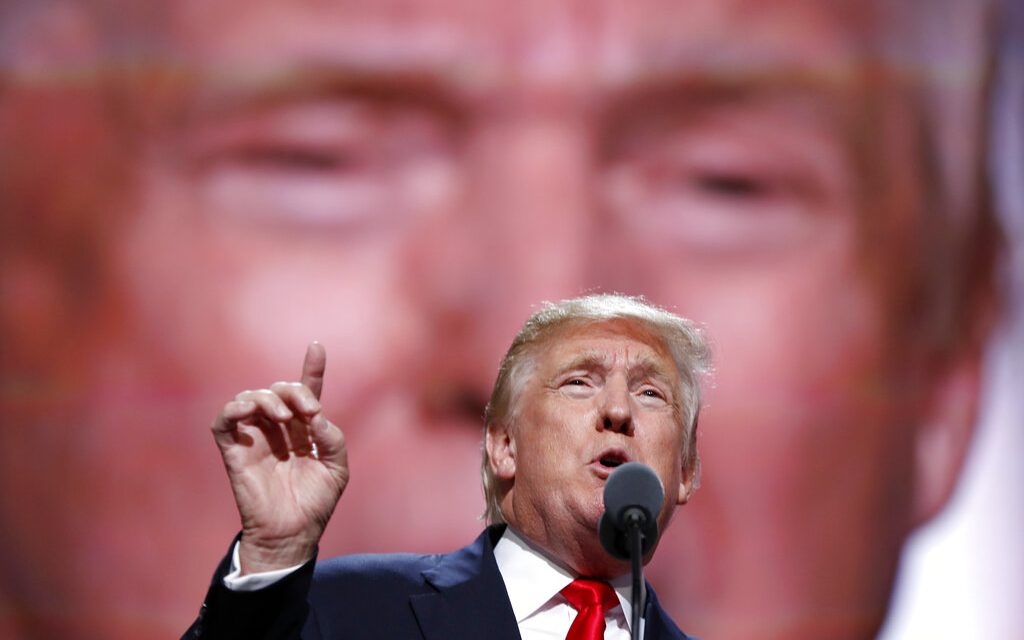
In July 2016, Donald Trump accepted the Republican Party’s presidential nomination with a speech that depicted an America in decline and positioned himself as the sole solution. His strategy was to consolidate power, which highlighted concerns over presidential powers influenced by ideologues and special interests. Without reforms, a risk persists of slipping into populist tyranny, a fear held by the Framers of the Constitution.
Two significant shifts have led to this situation. First, since the 1970s, the control over nominations has changed. Once guided by party officials keen on electing experienced candidates, it has shifted to smaller, ideologically-driven groups. Low voter turnout in direct primaries has allowed groups like evangelicals and the Christian right, as well as opponents of immigration and taxes, to dominate delegate selections for presidential candidates. This shift has disrupted the Constitution’s design to ensure that elected officials remain insulated yet responsible.
The Electoral College was initially intended, as Alexander Hamilton explained in 1788, to reliably select individuals with notable ability and integrity, preventing those inclined towards corruption. However, Donald Trump’s 2016 nomination arose with less than 40% support amid a crowded primary field. Republican primary voters leaned conservative, while the general electorate was more moderate or liberal. Trump’s disregard for traditional norms wasn’t a major concern during his nomination or the general election where loyal Republicans and disenchanted independents propelled him forward.
The second major change is the expanded presidential powers used unilaterally in both domestic and international arenas. This shift began with the Cold War, allowing presidents to make significant decisions without external checks. Past vetting by political parties helped prevent abuses, selecting candidates with proven governance capabilities. Trump’s rise demonstrated how narrow ideological backing can bypass traditional safeguards.
Reforms in the nomination process are crucial to prevent future demagogues and preserve the intentions of the Constitution’s Framers. Both parties, particularly the Republican Party, require these changes due to a lack of moderate influences. A foundational reform is increasing the independence of unpledged Republican delegates—party leaders aiming to protect the party’s reputation. Until 2012, nearly a fifth of delegates could vote freely, independent of primary or caucus outcomes, but by 2016 this was greatly reduced.
To restore balance, reforms must ensure primary voters remain central while allowing party leaders to intervene against candidates threatening the rule of law. While ideologues may argue against such changes, maintaining oversight is vital. Taking action now is crucial to prevent a similar candidate from gaining nomination in 2028.
Lawrence R. Jacobs, holding the Walter F. and Joan Mondale Chair for Political Studies at the University of Minnesota, emphasizes the urgency of these reforms. Through his work at the university and his extensive writing, Jacobs highlights the challenges and solutions in this sphere.
 Sen. Cotton Opposes Permanent Daylight Saving Time
  Steve Hilton’s Latino Outreach and Gubernatorial Ambitions
  Controversy Surrounds Performances at Gillette Stadium
  Celebrity Controversies Over Political Activism and Speech
  Trump Pushes for Permanent Daylight Saving Time, Sharing Senator’s Contact Information
  Tucker Carlson’s Comments on Britain’s WWII Decision Ignite Controversy