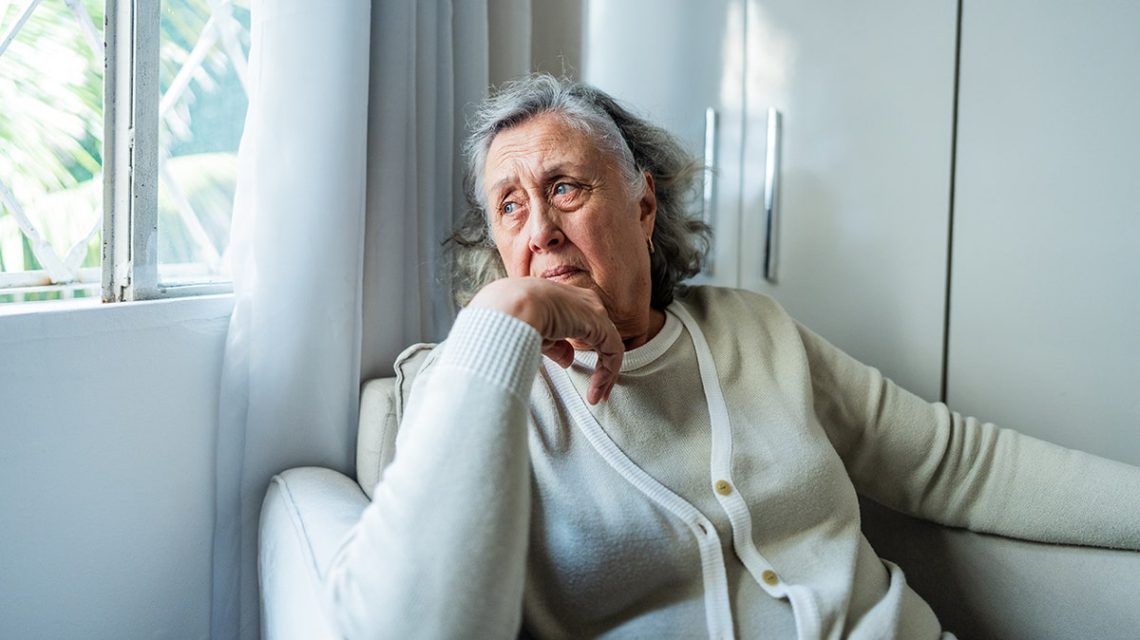
A recent study involving over 135,000 adults reveals a significant number of people frequently feel lonely, particularly in urban areas. Conducted by professors at Imperial College London, the study spanned five months in 2023, recruiting 135,725 volunteers aged 16 and over for an online survey in England.
Key Findings
Almost one in six adults reported feeling lonely “often or always.” More than 20% of participants expressed frequent feelings of lacking companionship or feeling excluded and isolated, as reported by news agency SWNS.
The study, known as INTERACT, identified surprising trends. Some of the loneliest individuals were concentrated in major cities like London, Birmingham, and Manchester. Study lead Austen El-Osta, Ph.D., noted that loneliness is heavily influenced by one’s environment and social connections.
“The key message is not simply that many people feel lonely but that loneliness is strongly influenced by people’s surroundings, social network, and their environment,” said El-Osta.
Urban Paradox
This research supports the “urban paradox” theory, which suggests that individuals in urban environments with more economic, cultural, and social advantages report lower life satisfaction and happiness compared to those in rural areas. The study found that relationships had little impact on loneliness levels.
Pandemic’s Impact
The COVID-19 pandemic significantly exacerbated feelings of loneliness. Nearly 44% of participants stated that the pandemic heightened their loneliness levels, with 48.2% feeling more isolated.
“As an NHS GP, I see how loneliness affects both the mental and physical health of my patients,” said Dr. Azeem Majeed. “It contributes to problems such as anxiety and depression, increases the risk of long-term conditions, and leads to more frequent GP consultations.”
Community Connections
Dr. Majeed emphasizes the importance of community connections and social capital to combat loneliness. About 45% of the study’s respondents were married or in a civil partnership, while nearly 20% were single.
El-Osta highlighted the need to address loneliness as a public health issue, urging public health responses to consider broader social environments and community assets that foster connection and support.
Study Limitations
While the study is among the largest dedicated studies of loneliness, it cautions that the findings shouldn’t be used to estimate the problem’s scale at a national level. Limitations include overrepresentation of highly educated individuals and underrepresentation of minority ethnic groups, alongside the inherent self-selection bias of online surveys.
Additional research links loneliness to declines in memory functions among older adults, suggesting routine cognitive assessments should include loneliness screening to support healthy aging.
 Increased Funding Needed for Psychiatric Hospitals
  Trump Administration Distributes ACA Refund Checks
  Higher Consumption of Ultra-Processed Foods Linked to Increased Health Risks
  Navigating Grief After a Sibling’s Overdose
  Understanding Inflammation: Myths and Facts
  Calm Parenting: Strategies to Manage Stress