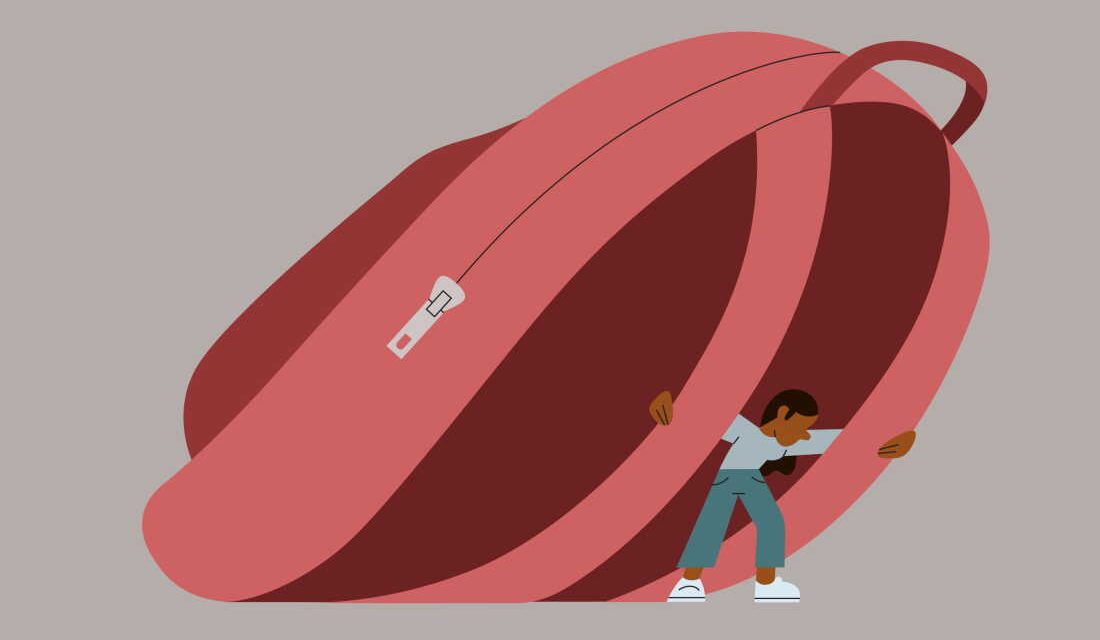
A recent Gallup poll highlights the challenges today’s teenagers face with significant emotions and the difficulties parents encounter in discussing these with them. Psychologist Lisa Damour offers strategies for parents to better support their teens, especially as the new school year commences.
For many pre-teens and teens, a new school year introduces substantial changes such as new routines, varied classes, and shifting friendships. These changes occur both online and offline. Parents can assist their children by comprehending their emotions and providing appropriate support.
Understanding Gen Z’s Emotional Landscape
A survey conducted in July 2024 by the Walton Family Foundation and Gallup, along with Damour, engaged 1,675 children aged 10 to 18 and one of their guardians. Findings reveal that Gen Z experiences pressure to achieve perfection and faces increasing negative emotions like anxiety, notably among girls and teenagers.
Damour states that while pre-teens and teens have always faced difficulties, this generation encounters unique challenges. They are tasked with high academic demands while also navigating a social media environment that can be overwhelming.
Approximately two-thirds of Gen Z youth express concern about the future. Concerns about global changes and what the world will become are prevalent.
Perfectionism and Its Impact
The survey indicates that roughly one in three Gen Z individuals grapple with perfectionism, influencing self-esteem, especially for girls and eldest children. Damour notes that acknowledging imperfections without compromising positive self-regard is crucial.
The survey indicates perfectionists are more anxious, sad, and stressed.
Parents should reassure their children that striving for perfection is unnecessary, potentially alleviating negative emotions associated with this pressure.
Encouraging Open Communication
According to the survey, one in six parents find it challenging to console or communicate with their teens when they are upset. Contrary to parental assumptions, teenagers value adult input and find conversations helpful.
Damour advises parents to initiate conversations about their concerns. Listening emerges as the most desired support from adults, followed by taking feelings seriously. Offering advice is less prioritized.
Everyday encounters can be natural opportunities to address concerns. Parents might remark on their child’s social environment as a conversation starter.
Navigating Emotional Variability
Teen emotions are intense and varied. The survey reports a high frequency of happiness among teens, yet stress, anxiety, and sadness are also significant.
Damour emphasizes that fluctuating emotions are typical during this development phase. These mood swings are indicators of growth rather than problems.
Parents can better handle these emotional shifts through understanding and managing expected emotional responses. For example, if a child feels left out socially, feeling sad is a natural reaction.
Kids typically employ effective coping skills, such as crying, seeking comfort in a pet, or engaging in physical activities. Worry arises only when harmful coping methods are adopted.
Negative emotions are part of life. Managing them constructively is vital.
This article was written by Malaka Gharib and edited by Andee Tagle and Meghan Keane, with visual editing by Beck Harlan.
For more insights, reach out at [email protected]. Discover Life Kit on Apple Podcasts and Spotify, or subscribe to the newsletter for additional guidance.
 Legal Challenge Against School Funding Inequalities in West Virginia
  Increased Funding Needed for Psychiatric Hospitals
  Potential Changes Loom for School Voucher Programs
  Regents Exam Elimination Raises Concerns Over Student and School Accountability
  Education Funding Disparities in West Virginia
  Trump Administration Distributes ACA Refund Checks