October brings a unique intersection of anticipation and reality. In sports, baseball teams vie for playoff positions, while football teams advance towards the Super Bowl. Similarly, the Supreme Court’s October term begins, showcasing pivotal cases ready for oral argument. The Court accepts cases continuously, but this term is set to be significant, with topics ranging from climate change to gun rights to parental rights.
The Supreme Court’s process emphasizes the difficulty of making the docket. Out of thousands of petitions, the Court opts to review between 70 and 80 cases annually. Lower court judges hope to avoid such scrutiny, as the Court often reverses reviewed cases. Last term, a reversal rate of 71% was recorded, indicating a slight increase from the previous year. This term already presents major cases poised to impact legal and social landscapes.
Climate Change
One prominent case, Suncor Energy Inc. v. County Commissioners of Boulder County, involves Boulder County suing energy firms for contributing to climate change. The lawsuit accuses them of misleading the public and causing damage. The Colorado Supreme Court favored the county, dismissing federal preemption concerns. If this case moves forward, it could usher in numerous climate-related lawsuits against companies.
Gun Rights
This term promises significant developments for the Second Amendment. Cases from Chicago and New York, Viramontes v. Cook County and Grant v. Higgins, respectively, challenge bans on popular firearms. These decisions could determine the future of gun control. Another case, Calce v. New York, concerns a stun gun ban. The Court previously remanded a similar case, suggesting protections for weapons, irrespective of their existence during the Second Amendment’s formation. Including Calce would make this term historically important for gun rights.
Parochial Schools and Religious Discrimination
Religious discrimination in education resurfaces with St. Mary Catholic Parish v. Roy. The case pertains to Colorado’s requirement for preschools to commit to non-discrimination in various areas. Catholic challengers argue this conflicts with their religious beliefs. The Court has previously intervened in similar disputes, spotlighting the balance between religious freedom and equal treatment.
Parental Rights
The case of International Partners for Ethical Care, Inc. v. Ferguson involves amended laws in Washington, affecting parental notification rights for runaways receiving “gender-affirming treatment”. The Ninth Circuit dismissed parental claims due to standing issues, presenting questions on authority and parental rights.
The Right to a 12-Member Jury
Kian v. Florida deals with a chiropractor’s conviction by a six-person jury, challenging Florida law under the Sixth Amendment for a 12-member jury right.
Additional cases merit attention, particularly those involving free speech. Potential rulings include D.A. v. Tri-County Area Schools concerning student apparel and Tiny Zaps v. Traxler addressing tattoo bans and proximity restrictions. These instances showcase an ongoing discourse in free-speech jurisprudence.
The late Justice Ruth Bader Ginsburg once stated, “It’s hard not to have a big year at the Supreme Court.” This term aligns with her sentiment, as the Court prepares to address numerous contentious cases. With substantial slots still available before January, the scope and impact of this term promise to be considerable.
Jonathan Turley is a law professor specializing in Constitutional and Supreme Court studies, renowned for his book “Rage and the Republic: The Unfinished Story of the American Revolution.”
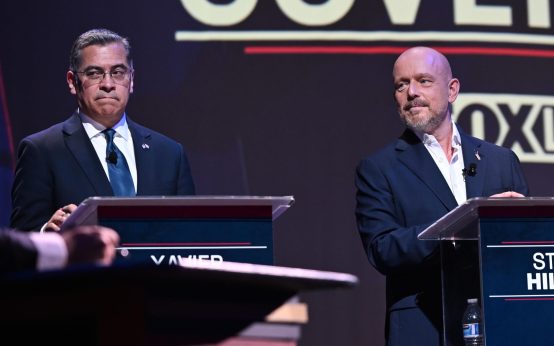 Becerra and Hilton Clash in California Gubernatorial Debate
  California Voters to Decide on $7.5 Billion State Research Fund
 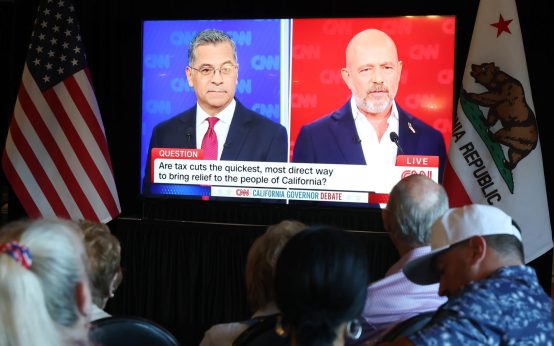 Highlights from the California Gubernatorial Debate: Becerra vs. Hilton
 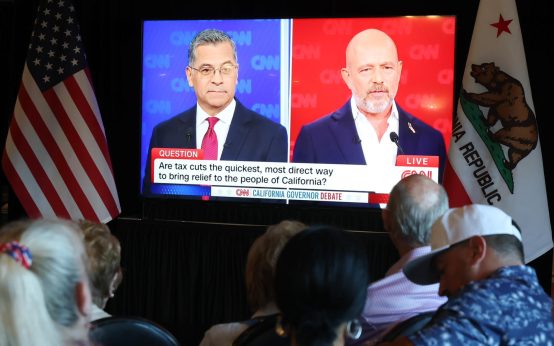 Becerra vs. Hilton: The Debate and Key Issues in the California Governor Race
  Senate Confirms New Labor Secretary
  Hegseth’s Ambitious Military Initiatives to Reshape Warfare