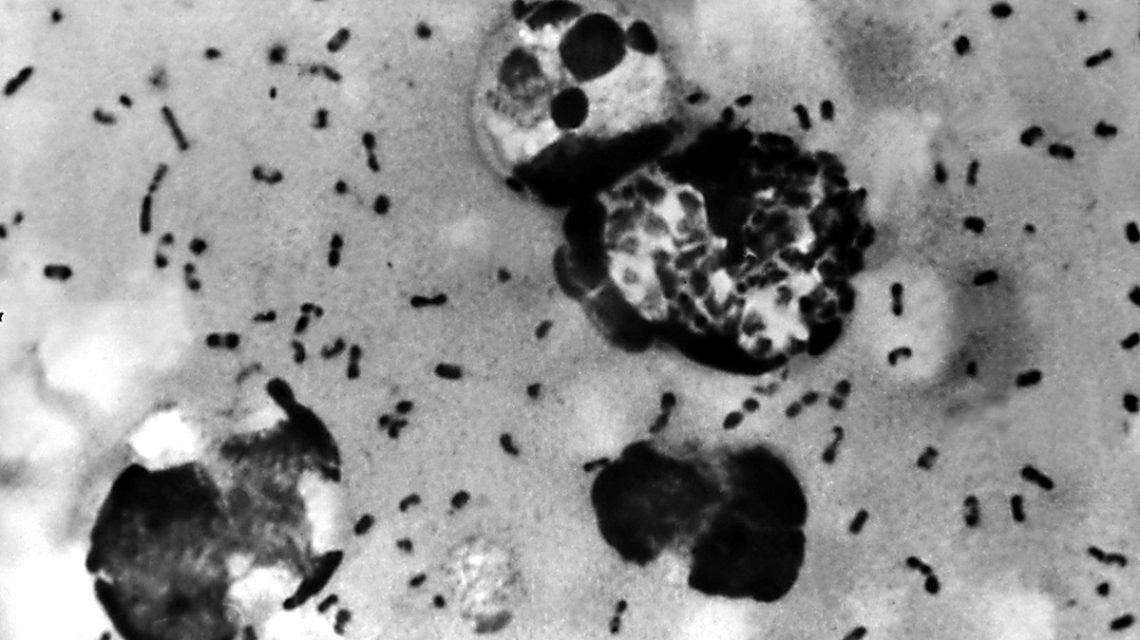
A woman has reportedly died of suspected plague in Siberia, prompting Russian officials to undertake comprehensive anti-epidemic measures. The incident occurred in the Russian Irkutsk region.
Igor Kobzev, the governor of the region, discussed the case with the head of Rospotrebnadzor, Russia’s public health agency. The affected individual was Daria Shipilova, a lab technician at the Irkutsk Anti-Plague Institute, as identified by the People of Baikal publication.
Data from the World Health Organization (WHO) show that from 2019 to 2025, nearly 4,000 suspected or confirmed plague cases were reported in ten countries. Plague transmission occurs through fleas infected with the Yersinia pestis bacterium or contact with infected materials, animals, or particles. The most prevalent form is bubonic plague, with pneumonic and septicaemic plague also caused by the same bacterium.
Despite being naturally present in some areas, plague cases are rare, yet can periodically rise, especially in parts of Africa. Historically, plague has caused millions of deaths, notably during the Black Death in the 14th century, which decimated a third of Europe’s population. Modern treatments with antibiotics are effective if the disease is caught early.
Local Hospital Quarantined
The victim died in Shelekhov, a town near Irkutsk’s main city. According to People of Baikal, the mayor, Maxim Modin, stated that the local hospital is under quarantine. All lab tests have been suspended, and patient admissions and releases have halted.
Alexey Tsydenov, Buryatia’s governor, acknowledged a woman’s death from possible plague. Kobzev confirmed ongoing full-scale anti-epidemic measures, with media reports citing about 200 individuals in contact with the deceased are now under medical observation.
The cause of death was pneumonic plague, according to information from a Telegram channel linked to Russia’s security services.
The Different Types of Plague
Pneumonic plague, identified as the “most virulent form,” affects the lungs and has a short incubation period of around 24 hours. Symptoms include coughing and shortness of breath, making it highly contagious via respiratory particles.
Bubonic plague, the most widespread type, leads to chills, vomiting, aches, and fever. Infected individuals might experience swollen lymph nodes that can develop into pus-filled sores. If untreated, it can progress to pneumonic plague.
Advanced bubonic cases may contaminate the bloodstream, resulting in septicaemic plague. From 2019 to 2025, Mongolia reported 17 plague cases, resulting in seven deaths; five from bubonic plague and two from septicaemic plague.
Historical outbreaks also occurred over 5,500 years ago among hunter-gatherer populations near Lake Baikal in southeastern Siberia, as highlighted in a scientific study from June.
 Facing Terminal Illness: Embracing Life’s Moments
  Eating with Partners May Impact Blood Sugar Regulation
  Foods Linked to Longevity and Healthier Aging
  Rethinking Youth Sports: Balancing Opportunity and Health
  Journey Through Love and Health Challenges
  Florida Woman Discovers Brain Tumor After Mysterious Symptoms