
Trump’s Warnings and Military Actions
President Trump issued a new warning to Iran on Wednesday, emphasizing that Tehran would “pay the price” for delaying negotiations to end ongoing hostilities. This announcement followed his claim that a peace agreement was near, though conflicting actions reflect uncertainty in the region.
The U.S. military conducted strikes on Iranian targets in response to an attack on an American Apache helicopter near the Strait of Hormuz. Trump had previously stated a deal could be signed within days; however, little progress in negotiations is evident. A Qatari delegation arrived in Iran to mediate discussions, highlighting Qatar’s role, alongside Pakistan, in facilitating negotiation efforts between Iran and the U.S.
Retaliatory Strikes and Diplomatic Efforts
Iran retaliated to U.S. actions with drone attacks on U.S. naval stations in Bahrain and missile launches at American military facilities in Jordan. Both incidents reportedly saw interceptions, minimizing damage. Iran’s Islamic Revolutionary Guards Corps claimed American strikes targeted under “false premises.” In response, Iran emphasized diplomatic undermining prompted by U.S. aggressions.
The Iranian state broadcaster reported U.S. strikes hit drinking water facilities in Hormozgan Province, impacting thousands. The New York Times verified video of the damage, although a comment from U.S. Central Command remains absent. Reports include the destruction of key infrastructures, further complicating delicate diplomatic engagements.
Regional Impact and Economic Consequences
The Persian Gulf experienced heightened tension with multiple missile launches intercepted by Jordan and Bahrain. Reports from Lebanon indicated Israeli actions targeting Hezbollah militants, with confirmed casualties. Financial repercussions emerged, with U.S. consumer prices rising by 4.2% in May, influenced by conflict-induced oil price hikes.
Nuclear discussions under Trump’s administration focus on halting Iran’s program for the next 15 years. Major elements of this agreement demonstrate ongoing geopolitical strain.
Additional Developments and Military Assessments
Meanwhile, a tanker off Oman’s coast experienced a “suspicious” fire, leading to missing crew members. The U.K. Maritime Trade Operations expressed concerns about the incident’s nature. Furthermore, data released shows an upward trend in commodity prices driven by ongoing tensions and strategic blockades affecting global supply routes.
In Oman, Indian sailors called for urgent assistance after a missile strike. Rescue efforts saw crews successfully evacuated, illustrating regional solidarity amid escalating tensions. The ship, Marivex, attempted entering an Iranian port when struck, aligning with U.S. blockade efforts against Iranian maritime navigation.
Military Innovations and Future Implications
A U.S. sea drone conducted the first autonomous rescue operation, showcasing technological advancement toward unmanned military solutions. The escalation continues impacting regional military strategies and shaping future engagements across the Middle East.
Iran continues to emphasize its resilience against external pressures, reiterating its stance on defensive actions in response to provocations. As both nations maneuver for supremacy, the strategic Strait of Hormuz remains a focal point of contention, representing broader geopolitical stakes.
 British Police Arrest Man Suspected of Terror Plot
  Activists Push for Nationwide Ban on Child Marriage in the U.S.
  Investigation into Alleged Incident at Cornell University
  Rising Drone Threats Highlight Vulnerabilities in Moldova’s Airspace Defense
  Bolivia Faces Security Test Amid Unrest
 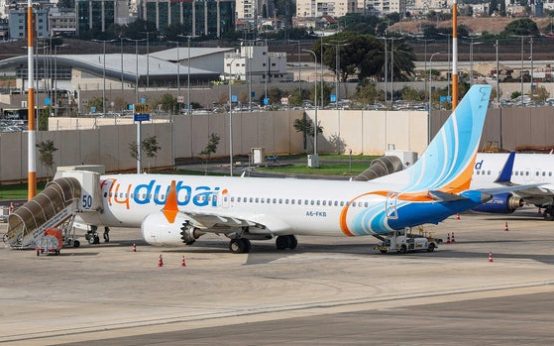 Incident on FlyDubai Flight Raises Security Concerns