
The Strait of Hormuz, a vital passageway for global oil and gas, has become a focal point of contention between Iran and the United States. Around 20% of the world’s energy resources flow through this strategic location, making any disruption highly impactful.
Recently, Iran escalated tensions by targeting cargo ships and issuing warnings about alternate routes. In response, the U.S. launched targeted retaliatory strikes against Iran. After several days of conflict, both nations agreed to cease attacks, leading President Trump to reveal that Iran requested a meeting with U.S. officials in Qatar. This development helped stabilize shipping traffic and led to a decrease in global oil prices.
Middle East analysts highlight Iran’s willingness to close the Strait of Hormuz as a strategy to challenge the U.S., revealing vulnerabilities in a memorandum of understanding (MOU) signed earlier by both countries. Jared Kushner and special envoy Steve Witkoff, acting as top negotiators, are currently in Qatar. They recently met with the country’s Prime Minister, Sheikh Mohammed bin Abdulrahman bin Jassim Al Thani, to discuss the MOU.
U.S. and Iran delegations are expected to engage in technical talks in Qatar, mediated by representatives from Qatar and Pakistan. Although high-level Iranian officials are not anticipated at this moment, technical discussions are actively occurring, according to Majed al-Ansari from Qatar’s Foreign Ministry.
The diplomatic involvement follows a series of reciprocal strikes between the U.S. and Iran over the weekend. When two vessels tried to navigate the U.N.-endorsed maritime route near Oman’s coast, Iran attacked. The U.S. retaliated by targeting missile storage and coastal radar sites in southern Iran and on Qeshm Island. Subsequently, Iran launched counterattacks on U.S. bases in Bahrain and locations in Kuwait.
This situation in the Strait of Hormuz underscores the ongoing geopolitical tensions affecting international relations and economic stability.
For complete coverage and additional insights, refer to the full report on thehill.com.
 Israeli Prime Minister Calls for Comprehensive Security Review of Civil Flights
 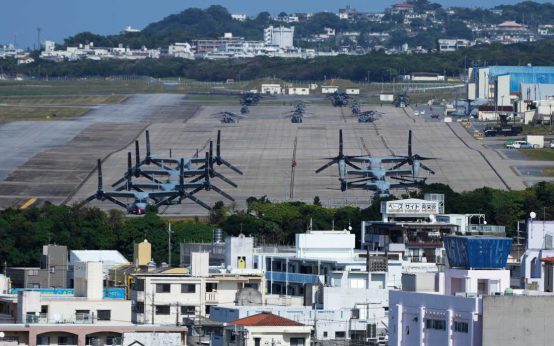 U.S. Marine Arrested in Okinawa for Alleged Murder and Robbery
 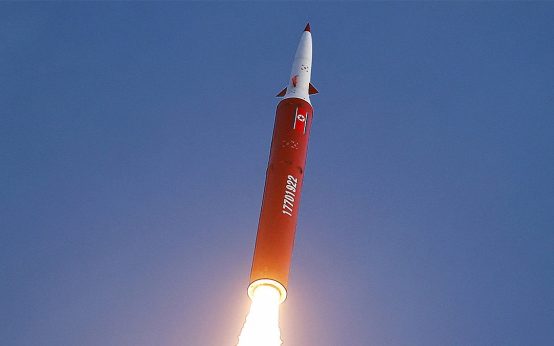 North Korea’s Missile Test and Its Implications
  Israel and Ireland Soccer Teams Display Tension in Nations League Match
  Fox News Report on FlyDubai In-Flight Incident
  Brazilians Vote in Crucial Presidential Election