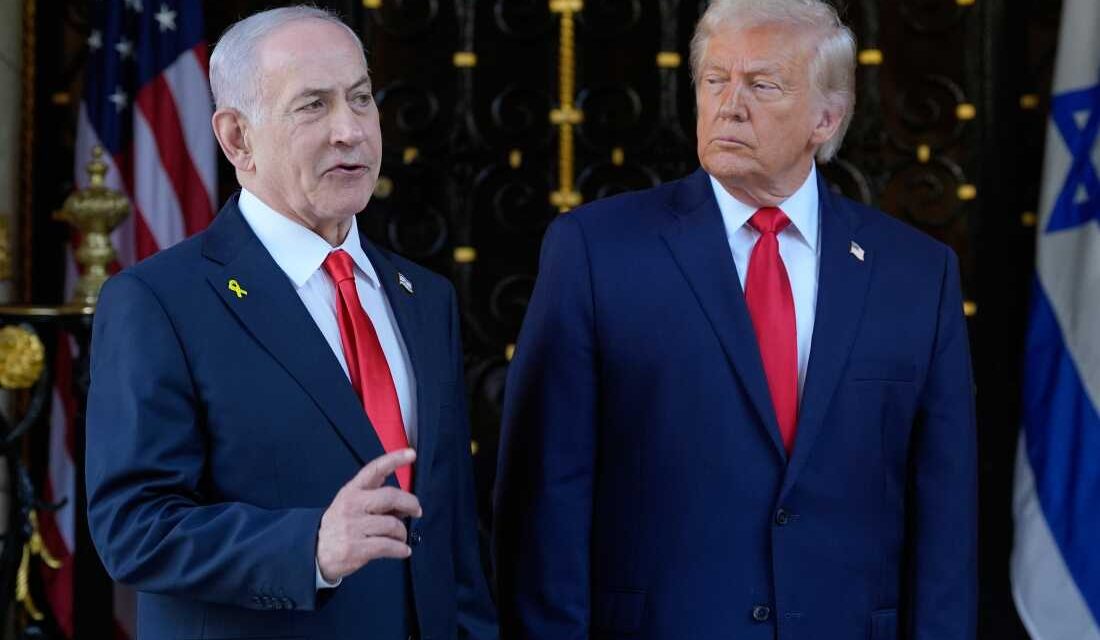
Israeli Prime Minister Benjamin Netanyahu is set to meet with U.S. President Donald Trump in a crucial discussion amidst rising tensions. This will be their first meeting since launching joint military efforts against Iran. Both Netanyahu and Trump are facing significant challenges at home, increasing the importance of this meeting.
Netanyahu’s reelection prospects are under strain, partly due to his fraying ties with Trump. Meanwhile, Trump deals with growing pressure to conclude an unpopular conflict that has negatively impacted the economy and raised consumer prices ahead of the midterm elections in November. A White House representative, speaking anonymously, revealed that their agenda includes the framework agreement with Lebanon involving the Israel-Hezbollah war and expanding the Abraham Accords.
Trump acknowledged minor differences with Netanyahu regarding Iran but emphasized their general alignment. Previously, Trump’s relationship with Netanyahu has fluctuated, yet they initially presented a strong alliance on military action against Iran. As Iran retaliated with drone and missile attacks, regional and domestic demands for Trump to end the conflict intensified.
As Iran launched attacks on U.S. bases and choked the Strait of Hormuz, Netanyahu initially supported continued fighting against Iran and Hezbollah in Lebanon. However, Trump’s pursuit of a deal with Tehran sidelined Netanyahu. During an Israeli news interview, political analyst Amit Segal noted that Israel appears to be taking a backseat as the U.S. takes the lead in the conflict.
Netanyahu aims to highlight Iran’s nuclear ambitions during his visit to the U.S. He also expressed on a Fox News interview his anticipation to learn Trump’s intentions regarding Iran. Netanyahu emphasized the necessity to terminate Iran’s nuclear activities, hoping to avoid further military escalation. Israel explicitly warned Iran against any attacks, promising a strong response.
In addition to Iran, the meeting will address potential U.S.-led diplomatic efforts in Gaza and Lebanon. Israel has recently allowed increased Lebanese army presence in some regions through a pilot program. Talks in Rome next week aim to expand this initiative further. Israel also opened doors for an international force to enter Gaza under a U.S.-led ceasefire agreement. However, this force faces limitations on its operational areas and Israel’s stringent approval process per troop entry.
Support for Israel within the United States appears to be waning. The bipartisan backing has dwindled, particularly over actions in Gaza. U.S. Vice President JD Vance warned Israeli officials that Trump remains their primary ally among global leaders. An AP-NORC poll confirmed a noticeable decline in American public support for Israel. Commentators attribute this largely to Netanyahu’s policies.
 British Police Arrest Man Suspected of Terror Plot
  Activists Push for Nationwide Ban on Child Marriage in the U.S.
  Investigation into Alleged Incident at Cornell University
  Rising Drone Threats Highlight Vulnerabilities in Moldova’s Airspace Defense
  Bolivia Faces Security Test Amid Unrest
  Incident on FlyDubai Flight Raises Security Concerns