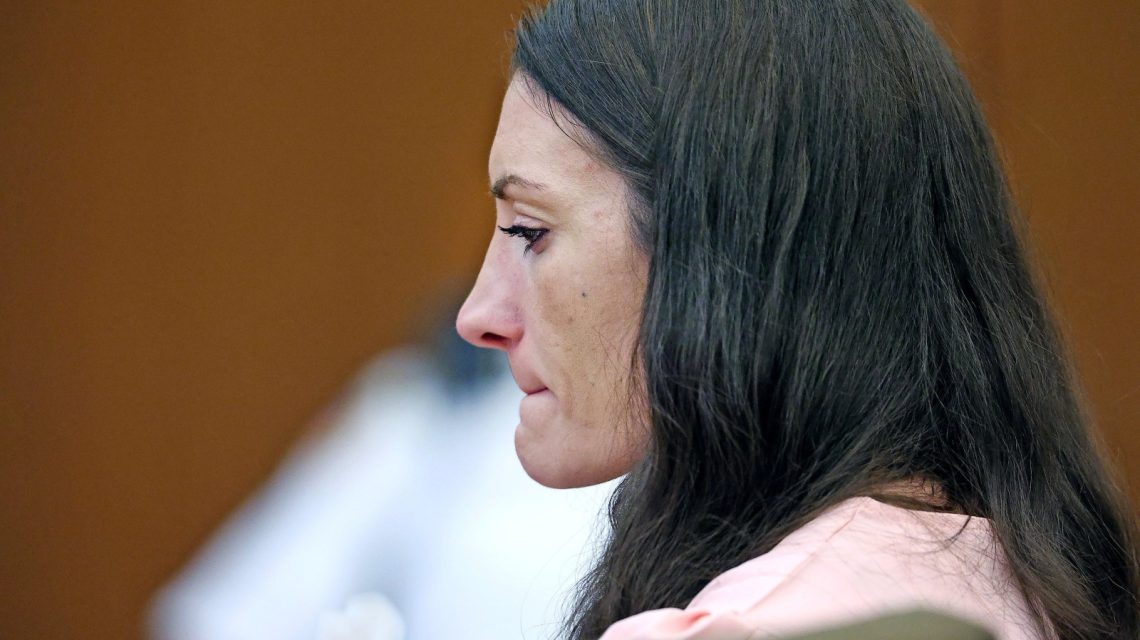
The murder trial of Lindsay Clancy took a significant turn as the defense sought to introduce an unexpected witness, while jurors delved into new evidence detailing Clancy’s declining mental health. These developments accentuate the ongoing dispute between prosecutors and defense over Clancy’s mental state in the weeks leading to the tragic death of her three children. Upcoming expert testimonies are set to focus on whether Clancy was legally responsible or suffering from postpartum psychosis.
Nurse Practitioner Identifies Bipolar Symptoms
Rebecca Jollotta, a psychiatric nurse practitioner, presented pivotal testimony. She identified symptoms in Clancy suggestive of bipolar disorder and a “mixed manic state.” Clancy manifested racing thoughts, insomnia, emotional numbness, and conflicting manic and depressive states. Jollotta described Clancy as “clinically acute, unstable” and recommended increasing her Seroquel dosage and enrolling her in a partial hospitalization program at the Women & Infants Hospital perinatal program in Rhode Island. Jollotta’s testimony supports the defense’s view that Clancy’s care was inadequately escalated despite evident warning signs. Additionally, Jollotta mentioned raising the possibility of bipolar disorder with Clancy and her husband, leading to a rebuttal from Patrick Clancy who denied the diagnosis.
Rejection of Postpartum Psychosis Diagnosis
Prosecutors found an opportunity in Jollotta’s testimony during redirect examination. Although Clancy displayed significant psychological symptoms, Jollotta did not believe Clancy suffered from postpartum psychosis, noting her linear and goal-directed thinking in appointments. Clancy never reported hallucinations or hearing voices, often associated with postpartum psychosis. Despite severe depressive symptoms, Jollotta did not see evidence of psychosis during her time treating Clancy, presenting a critical distinction in the trial.
Impactful Influence of ‘Good Moms Have Scary Thoughts’
A book titled Good Moms Have Scary Thoughts by Karen Kleiman surfaced in the trial, having been recommended to Clancy by Jollotta. Found during a police search of her home, this book addresses new mothers’ intrusive thoughts, framing them as common rather than indicative of harmful intent. While the defense sees the book as indicative of Clancy’s mental health severity, prosecutors argue it shows her capacity to articulate emotions and seek help, thus demonstrating awareness.
Insights from Clancy’s MyChart Messages
The jury examined MyChart messages revealing Clancy’s mental decline. These emotionally charged messages, addressed to Jollotta, underscored Clancy’s struggles with insomnia, medication side effects, and intrusive thoughts. She expressed fear of Ativan dependence and complained of emotional numbness. Clancy voiced frustration over unaddressed concerns and her spiraling medication regimen. In messages, Clancy denied suicidal plans but reported hopelessness, which Jollotta interpreted as severe depression rather than suicidal ideation.
Defense Attempts to Call TikTok Therapist
An unexpected moment arose as defense lawyer Kevin Reddington proposed including Emily Thorndike, a former McLean Hospital therapist, as a witness. Thorndike, through a TikTok video, criticized portrayals of McLean, where Clancy stayed briefly. The defense asserts she can expose inadequate care due to staffing issues. However, due to perceived bias, the judge may permit only limited questioning outside the jury’s presence.
Additional Testimonies and Evidence
Testimonies revealed more about Clancy’s treatment and her preoccupation with medications. Clancy had driven herself to self-research on drugs, though Jollotta remained unaware. The defense presented hospital records highlighting adverse drug effects and Clancy’s evident desire to mitigate medication use, suggesting this may have contributed to her mental health deterioration. However, prosecutors countered by underscoring Clancy’s autonomy in medication decisions, maintaining she retained sufficient self-control.
What Lies Ahead
The trial will proceed with further expert testimonies and witness accounts related to Clancy’s treatment. The defense anticipates reinforcing claims of overmedication and misdiagnosis, while prosecutors focus on Clancy’s intent and level of awareness at the time of the crimes. Ultimately, it will be up to the jury to determine whether Clancy was legally accountable or mentally incapacitated due to illness at the time of the incident.